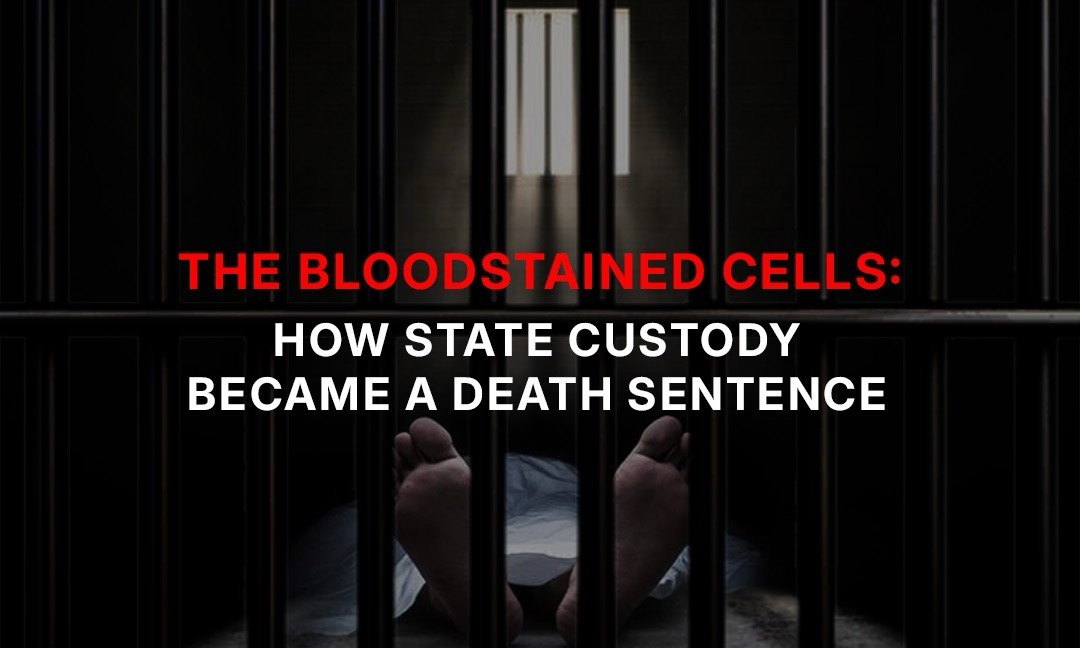
Under the BNP government, state custody has become a death trap for political opponents, with dozens dying amid allegations of torture and medical neglect. In the wake of Bangladesh’s turbulent political transition, the promise of justice and reform has curdled into a nightmare of impunity. While the nation was told that the fall of autho...
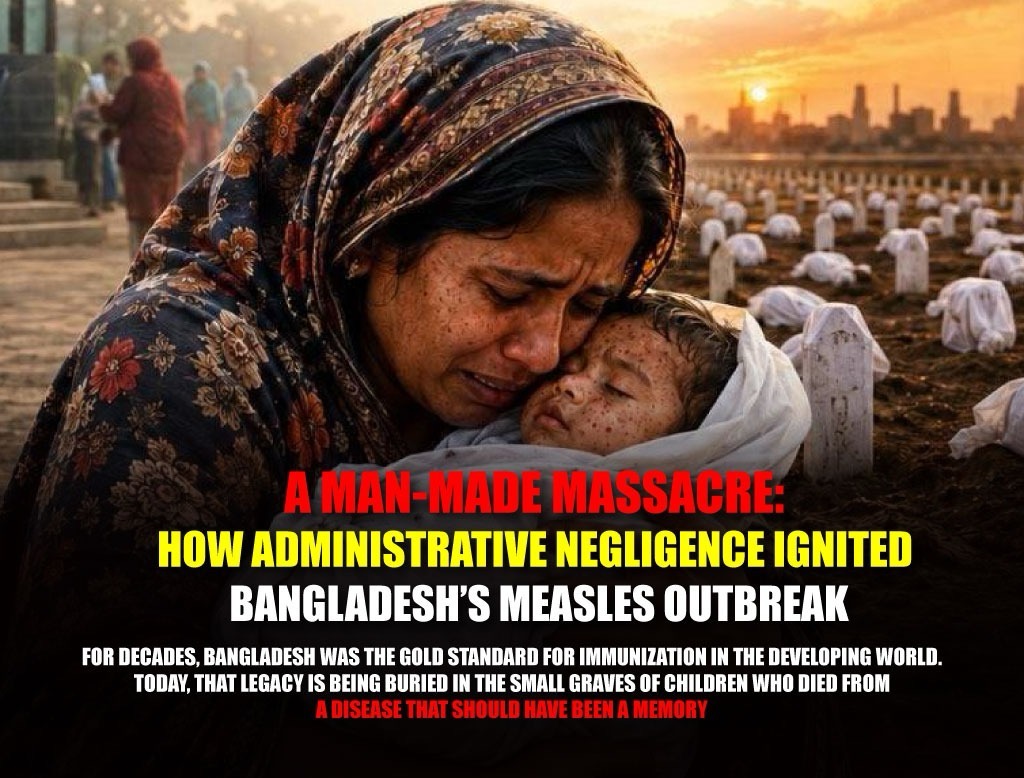
For decades, Bangladesh was the gold standard for immunization in the developing world. Today, that legacy is being buried in the small graves of children who died from a disease that should have been a memory. For thirty years, Bangladesh served as the textbook example of how a developing nation could conquer infectious diseases. Its Expanded ...
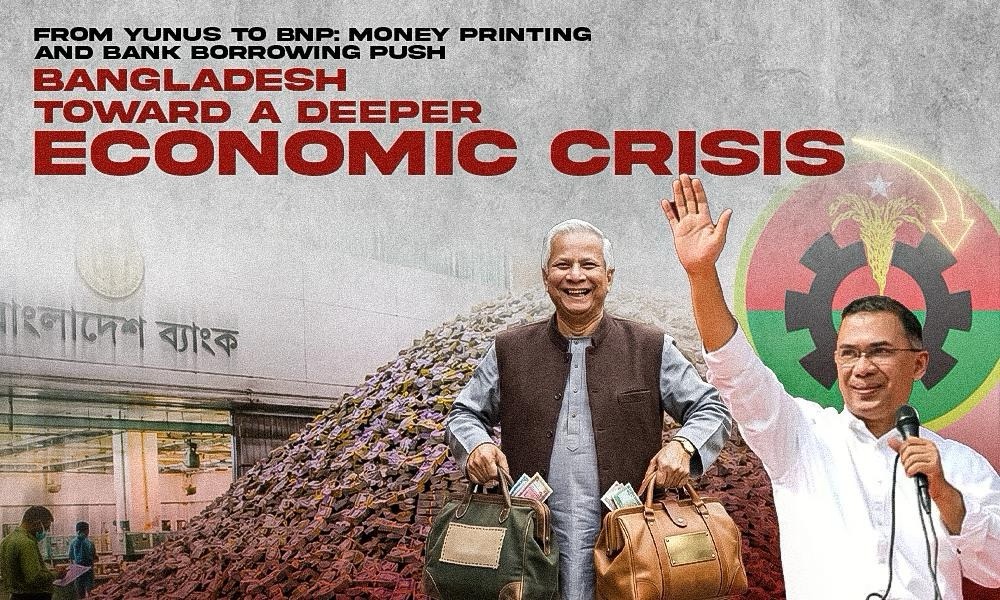
Bangladesh’s post-2024 economic crisis has deepened under successive governments, as inflation, monetary expansion, and aggressive bank borrowing strain financial stability. Policies under Muhammad Yunus and the Bangladesh Nationalist Party have intensified structural weaknesses, raising concerns over long-term economic governance and growth.
As Bangladesh heads to the February 12, 2026 election under Muhammad Yunus’s interim government, concerns grow over transparency, administrative neutrality, violence, postal voting risks, and whether the vote will truly reflect the people’s will.
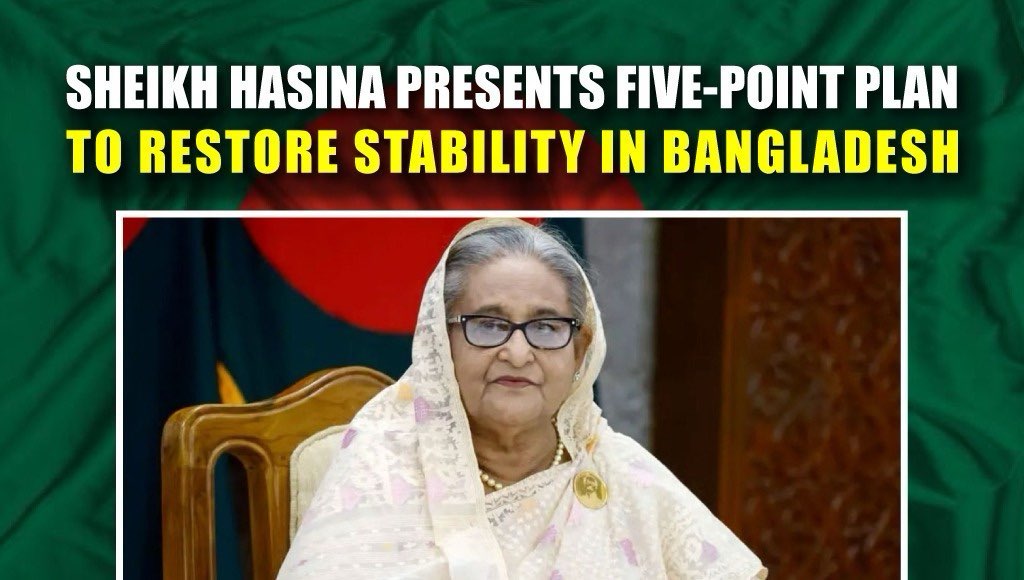
For the first time since the political upheaval, former Prime Minister of Bangladesh Sheikh Hasina has addressed the public. She delivered her speech via an audio message at an event titled “Save Democracy in Bangladesh”, organized at the Foreign Correspondents’ Club (FCC) in New Delhi, India. Sheikh Hasina accused the Chief A...
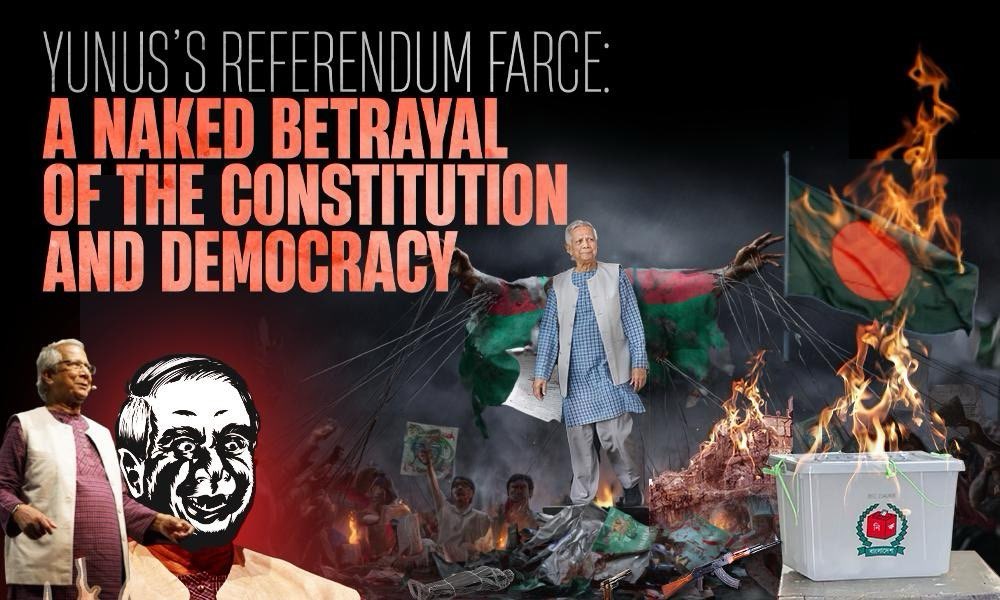
The Yunus regime’s secretive referendum plan violates Bangladesh’s Constitution, undermines democracy, and exposes an illegal government’s attempt to legitimize a coup through deception.
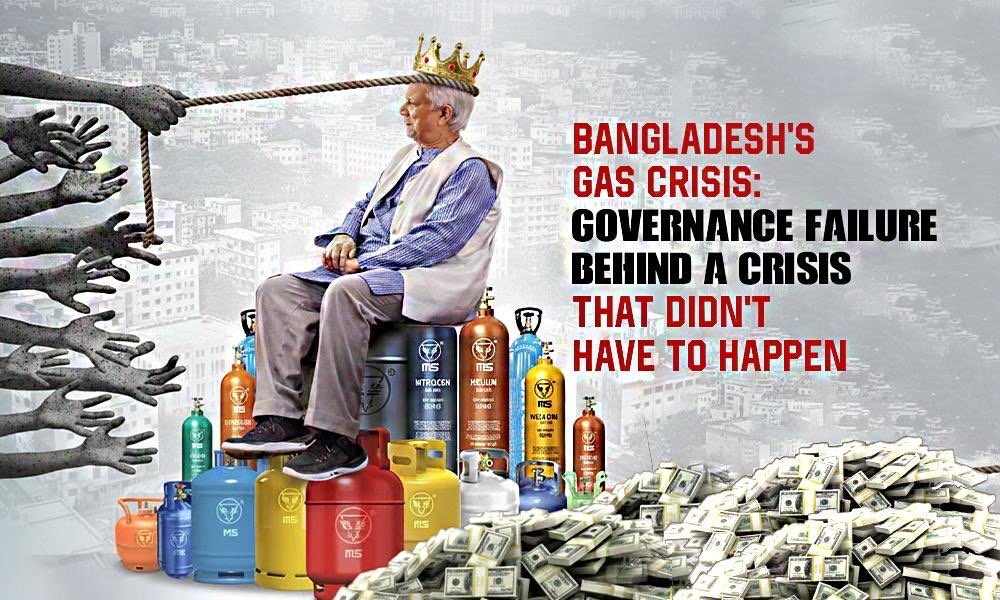
Bangladesh’s gas crisis is not a supply shock but a governance failure under Yunus, where reform rhetoric replaced execution, destabilizing energy security and industry.
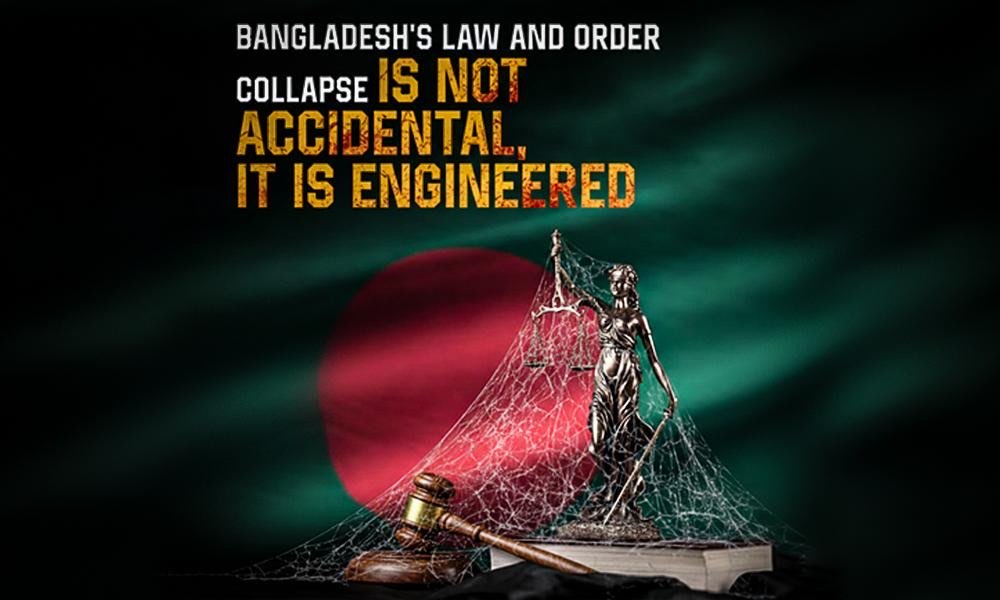
Bangladesh faces a deepening law and order crisis marked by daily killings, rape, minority persecution, and arson. This investigation examines how chaos, violence, and impunity have become governance tools under the Yunus-led interim administration.
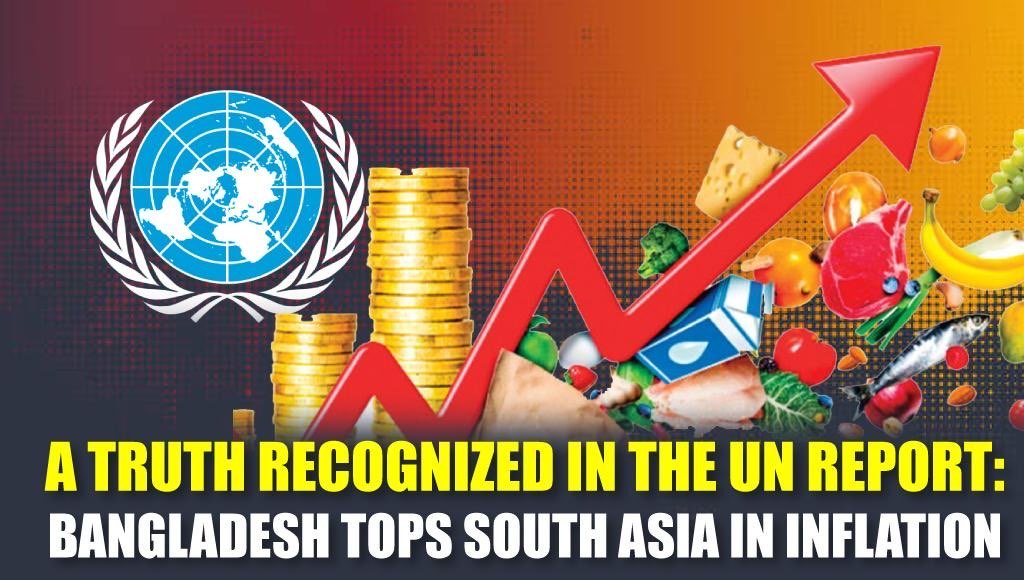
Bangladesh faces South Asia’s worst inflation crisis, with prices far higher than India and Sri Lanka, according to a new UN report warning of continued failure in 2026.
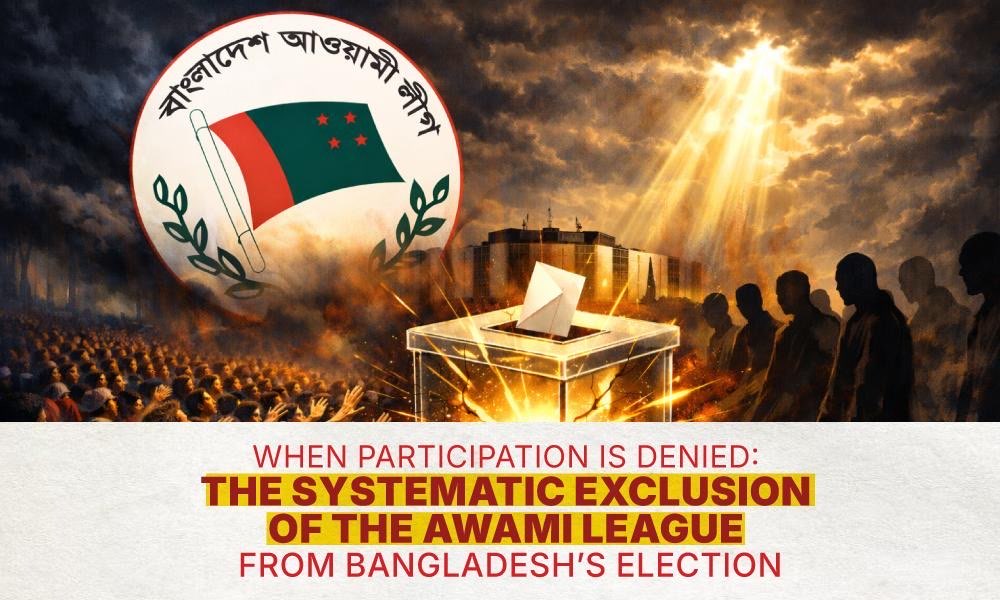
Democracy does not work when participation depends on the approval of those in power. However, in Bangladesh, that is now precisely the problem. The Awami League has made its position clear: it wants to take part in the national election. But one by one, the legal, administrative, and political pathways that would allow it to do so are being del...
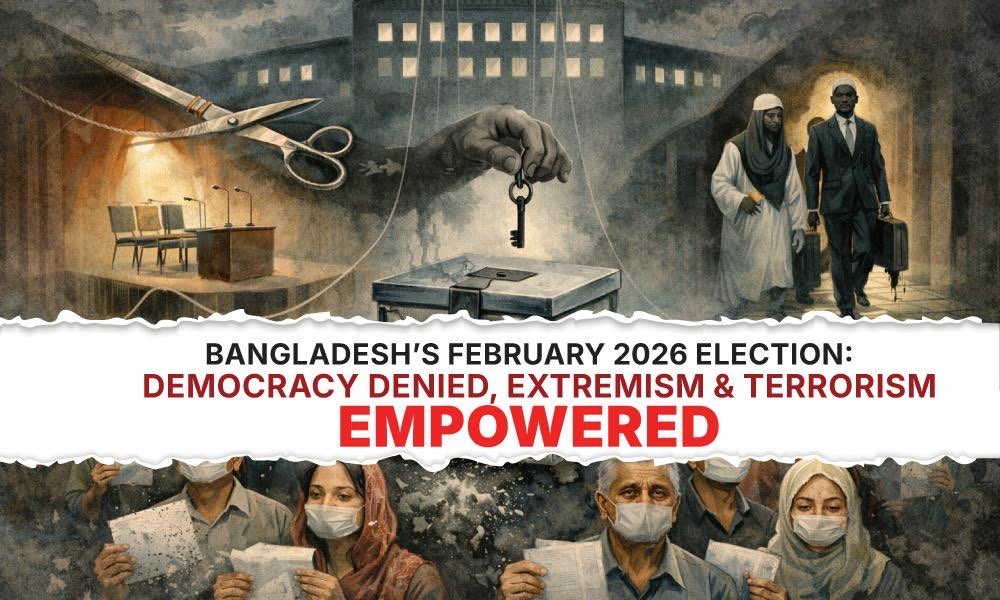
Bangladesh’s February 2026 election is being sold as a return to democracy, but in reality, it is built on exclusion. By banning the Awami League, the country’s largest political party with the support of nearly 60% of voters, the Yunus government has ensured that a majority of citizens will be locked out of the electoral process. An election th...
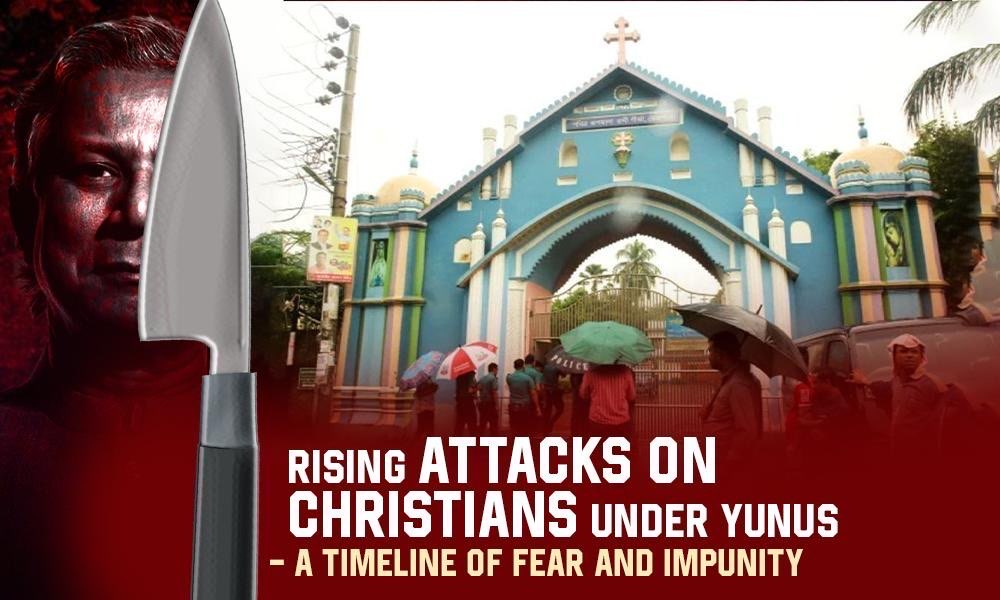
As Christmas approached this year, police stood guard outside churches across Bangladesh’s capital, while Christian families shortened celebrations, installed private security cameras and avoided nighttime services. For many, the precautions reflected a grim new reality: a sharp rise in threats and attacks against Christians since the interim go...
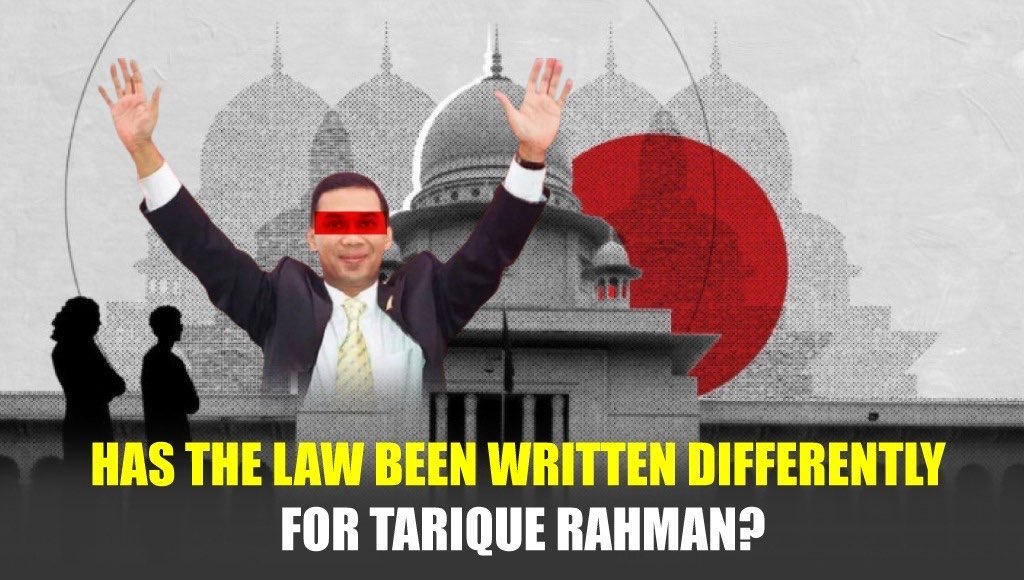
Once a convicted accused, Tarique Rahman is now receiving one privilege after another, with repeated violations of the law raising deep questions in the public mind. The law that is strict and uncompromising for ordinary citizens—does it become relaxed in the case of Tarique Rahman? Or is he, in effect, above the law? From the very moment...
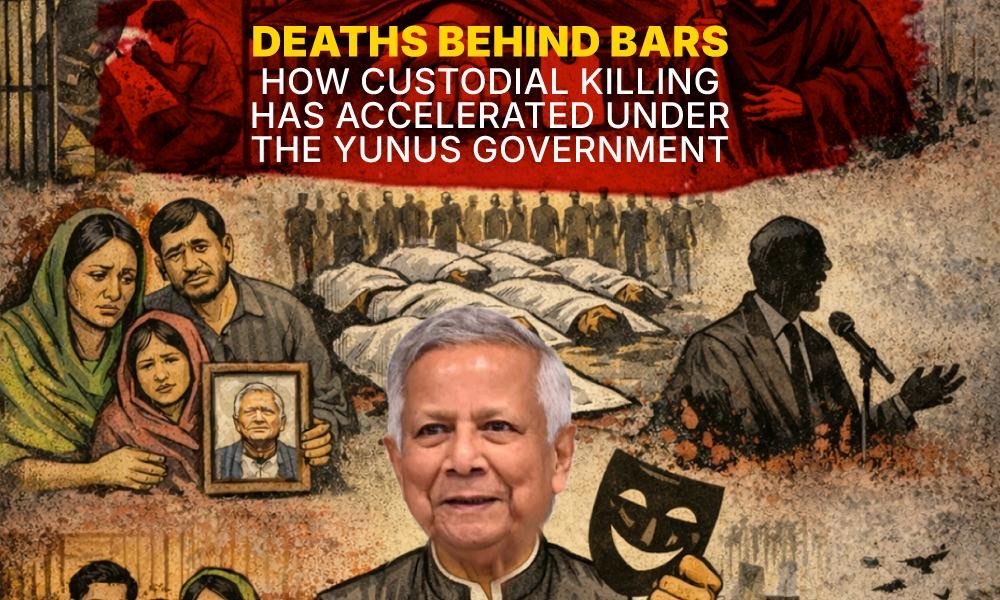
Custody Without Safety Deaths in jail and police custody have increased noticeably under the Yunus-led interim government, turning detention into a growing source of fear rather than protection. People are being arrested alive and returned dead, with official explanations offering little clarity and even less accountability. What was meant to b...
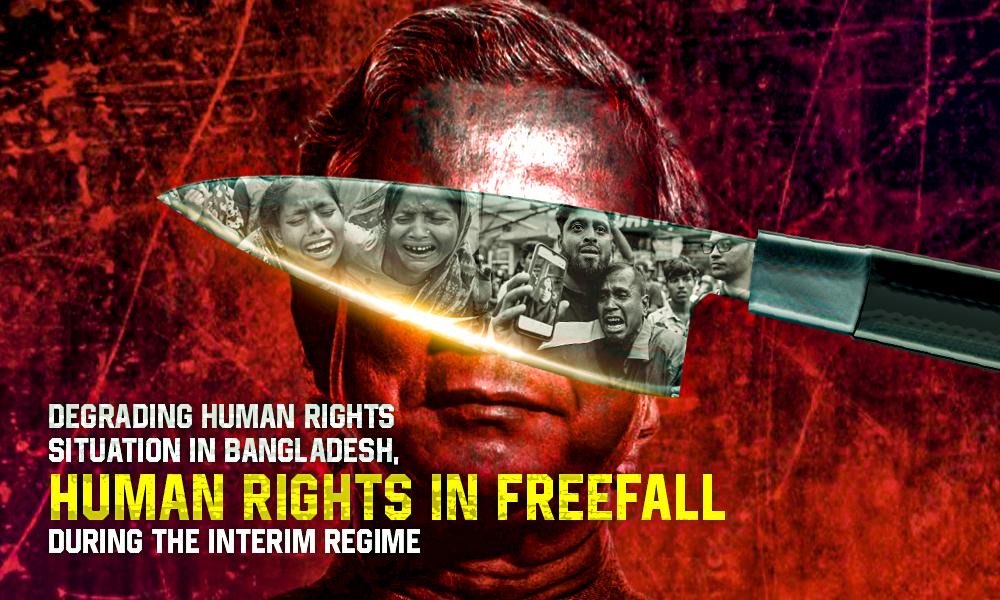
November 2025 has exposed a stark truth: human rights in Bangladesh are rapidly eroding under the interim government led by Muhammad Yunus. Ordinary citizens - students, journalists, and political activists - now live under constant fear. Speaking out, participating in protests, or even expressing opinions online can lead to arrests, harassment,...
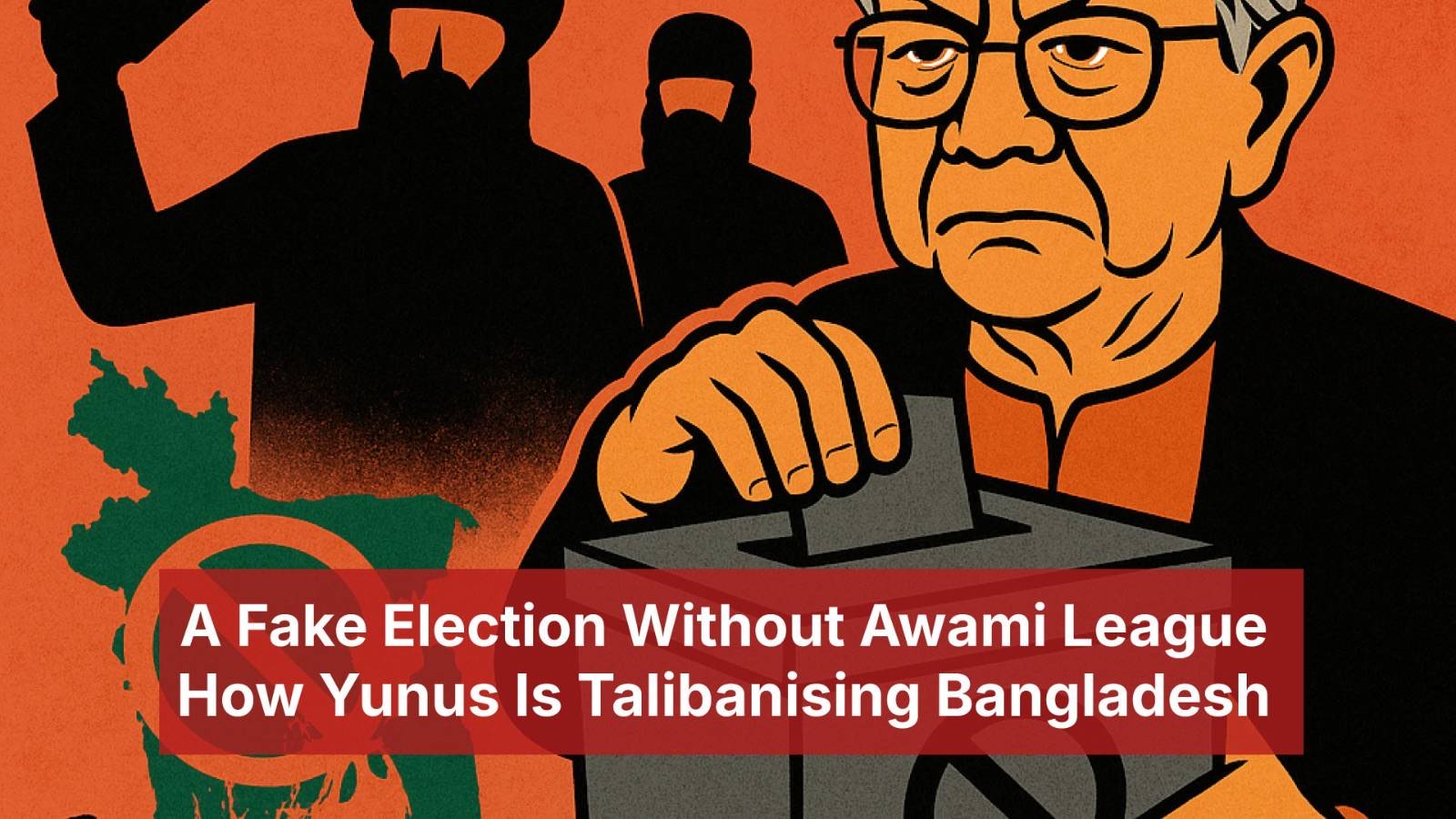
Bangladesh is entering one of the most unsettling periods in its recent history. What should have been a transitional moment has instead become a slow-motion dismantling of our democratic foundation. Since taking charge in August 2024, Muhammad Yunus has made one decision that changed everything: he suspended all activities of the Awami League, ...
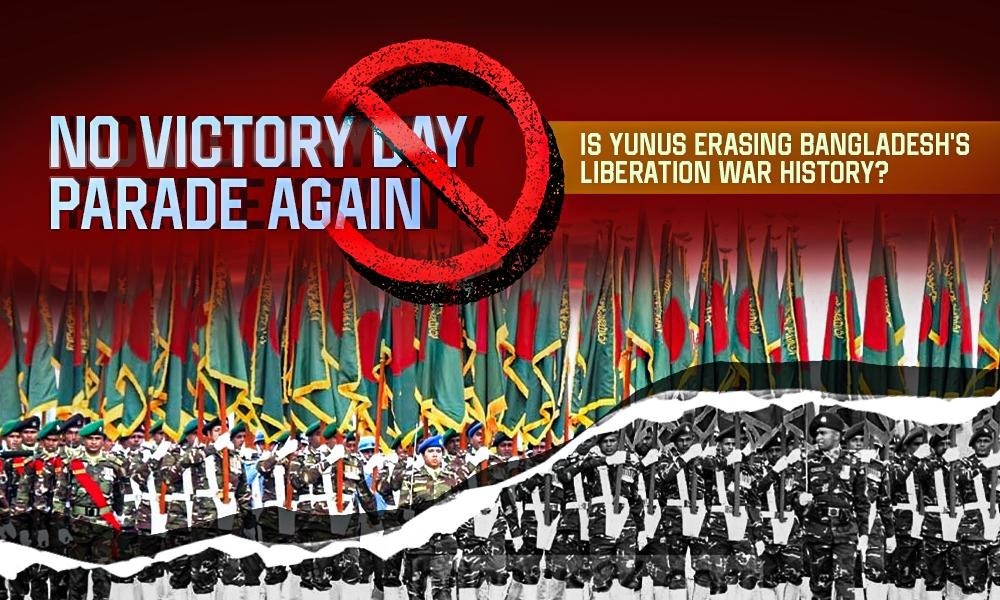
Another Year, No Parade For the second year in a row, Bangladesh will observe Victory Day without its iconic parade. December 16, once a day of national pride, will pass with empty streets: no marching soldiers, no salutes, no public celebration of our hard-won independence. No security threat over Victory Day, no parade this year either This...
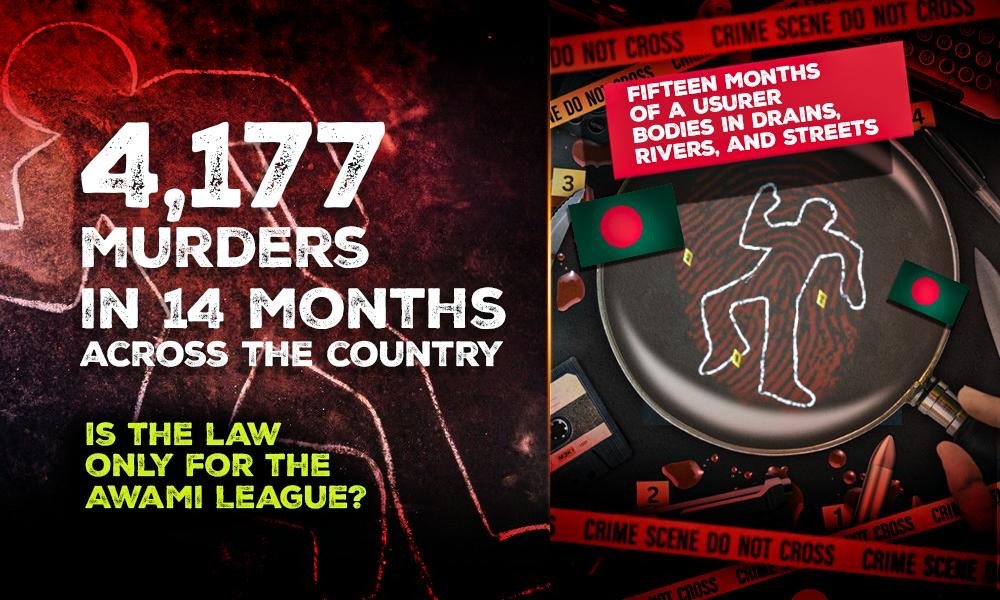
Fifteen months have passed under “the Shylock of Bangladesh”, Dr Yunus. In the fourteen months of his illegitimate rule, Dhaka alone has seen 456 recorded murders, according to the Dhaka Metropolitan Police itself. From last September to this October, DMP registered an average of 33 murder cases per month. Nationwide, 4,177 murder ca...
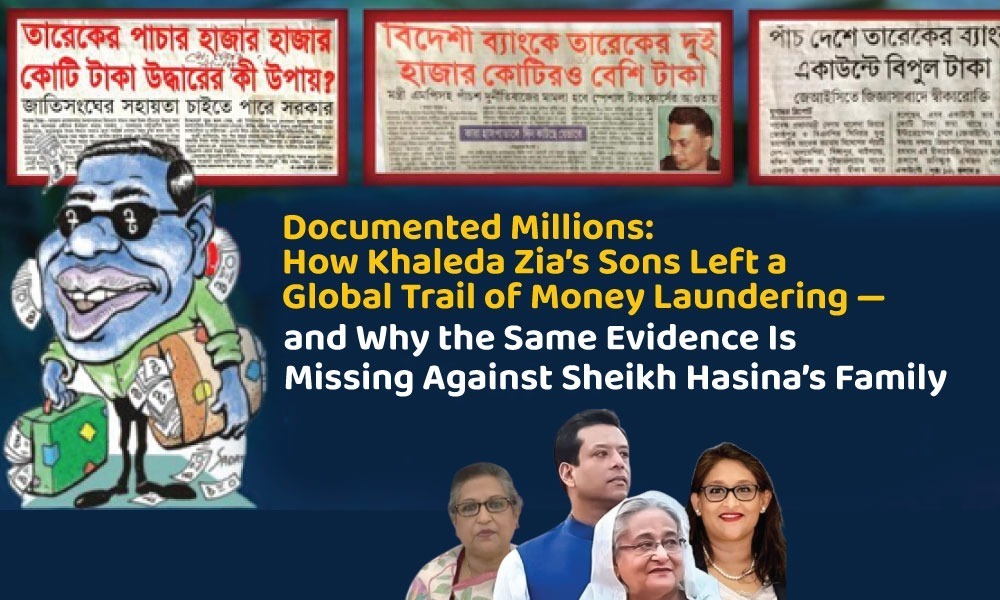
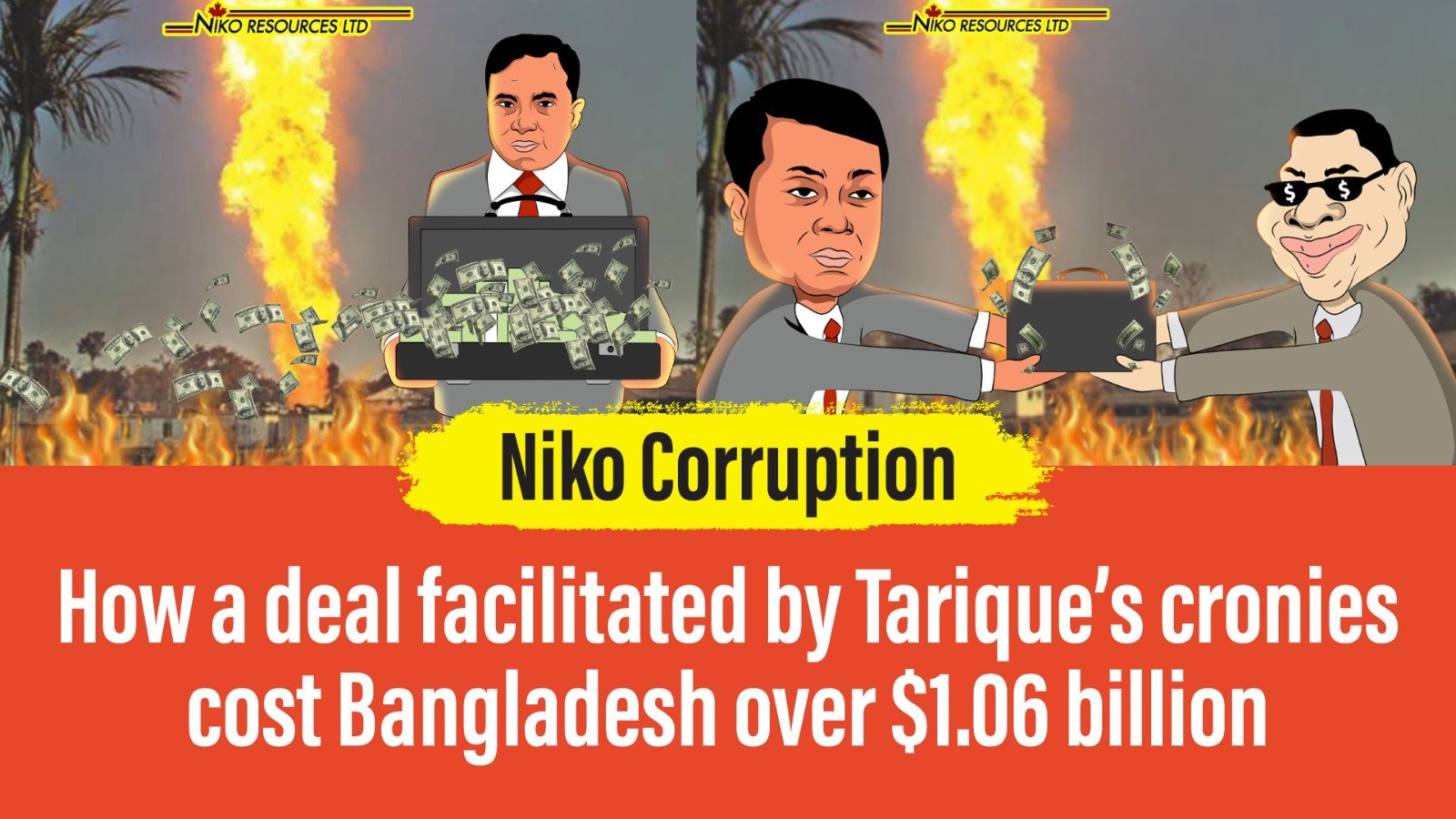
Over the past two decades, Bangladesh’s two most powerful political dynasties have faced starkly different scrutiny when it comes to corruption. While Begum Khaleda Zia’s sons — Tarique Rahman and Arafat “Koko” Rahman — have been the subjects of internationally documented money-laundering cases, the current in...
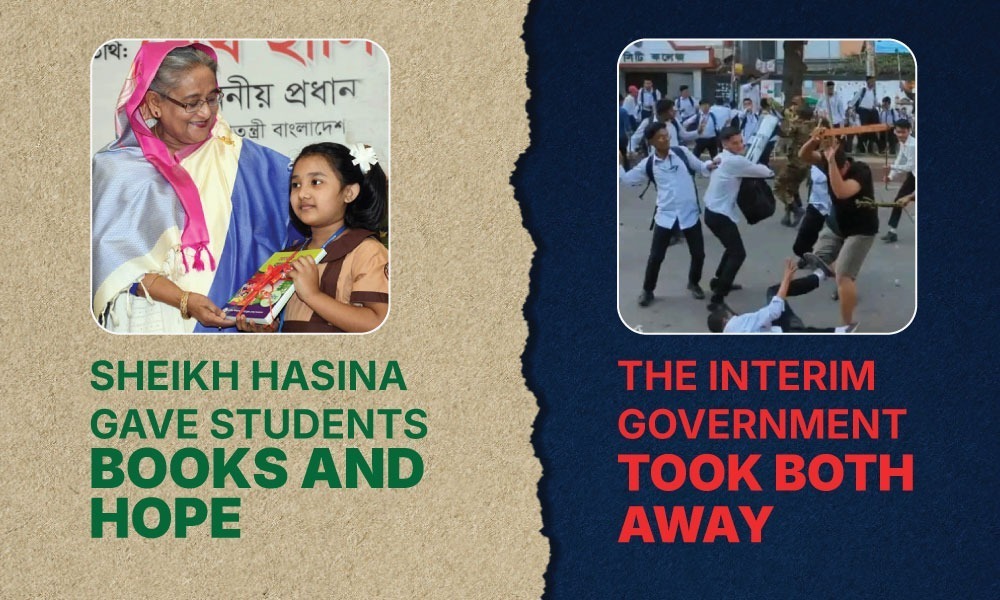
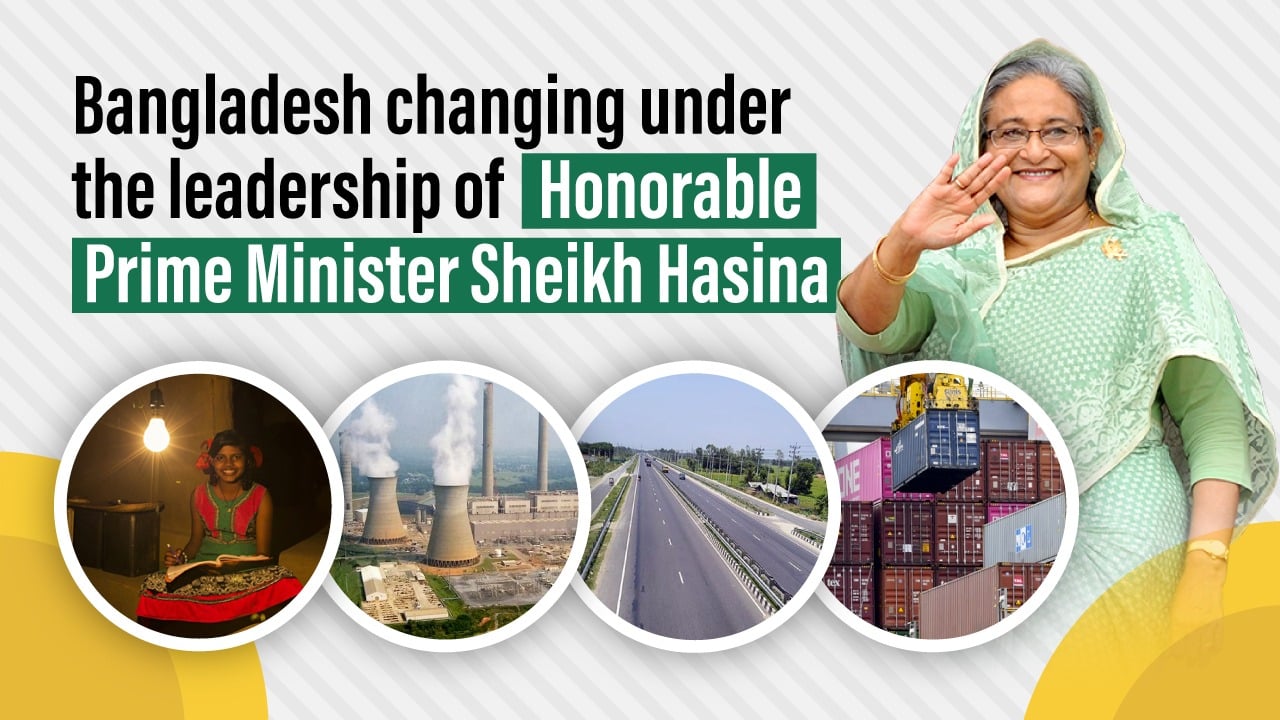
“Education is the backbone of a nation, and no child should be denied the light of knowledge.” These words from Sheikh Hasina were not mere rhetoric; they became a national mission. For 16 years, she turned education into the heart of Bangladesh’s transformation. Each New Year’s Day, millions of children opened brand-new...
This work is copyrighted and authorized by the Bangladesh Awami League. You may download, display, print and re-produce this material in unaltered form only (retaining this notice)for your personal, non-commercial use or use within your organization.