16072
Published on July 8, 2026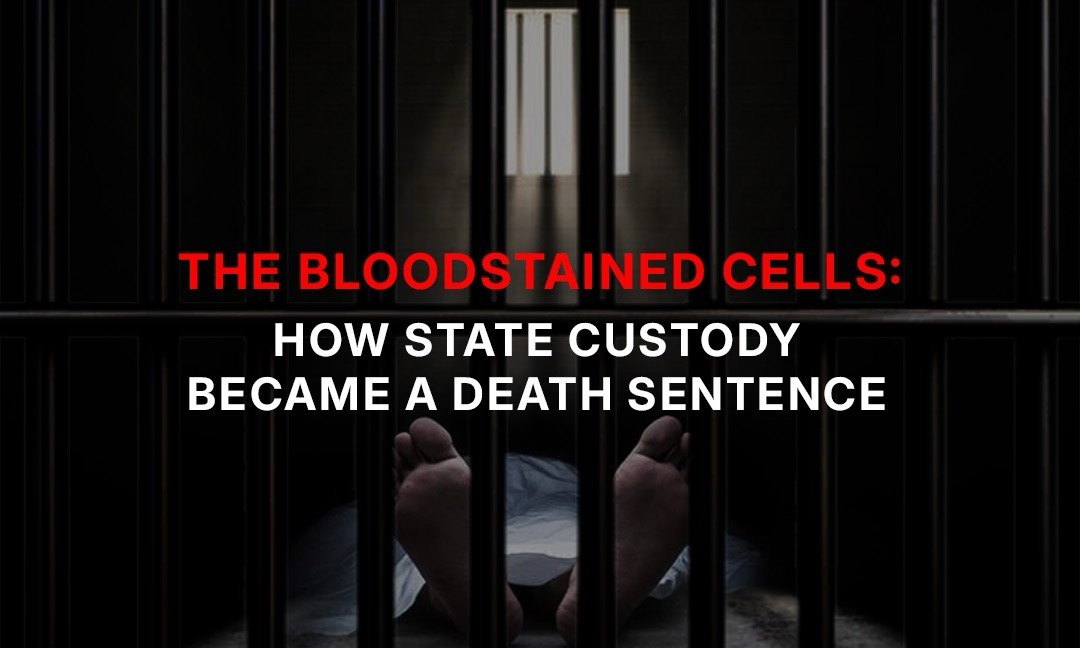
Under the BNP government, state custody has become a death trap for political opponents, with dozens dying amid allegations of torture and medical neglect.
In the wake of Bangladesh’s turbulent political transition, the promise of justice and reform has curdled into a nightmare of impunity. While the nation was told that the fall of authoritarian rule in August 2024 would usher in an era of accountability, the grim reality in the first half of 2026 tells a different story, one written in the blood of detainees who enter custody but never leave alive. Under the current BNP-led government, custodial deaths have not merely continued; they have accelerated with chilling indifference.
Custodial Deaths Increase in Bangladesh During the First Six Months of 2026
According to data from Ain o Salish Kendra (ASK), at least 61 people died in jail custody across Bangladesh between January and June 2026 alone. Of these, 37 were under-trial prisoners, more than 60%, many of whom had not yet been convicted of any crime. Dhaka Division led with a horrifying 36 deaths. These are not abstract statistics. They represent fathers, sons, and activists whose lives were extinguished behind bars while the state that imprisoned them looked away.
61 die in Bangladesh jail custody in first half of 2026, ASK data shows

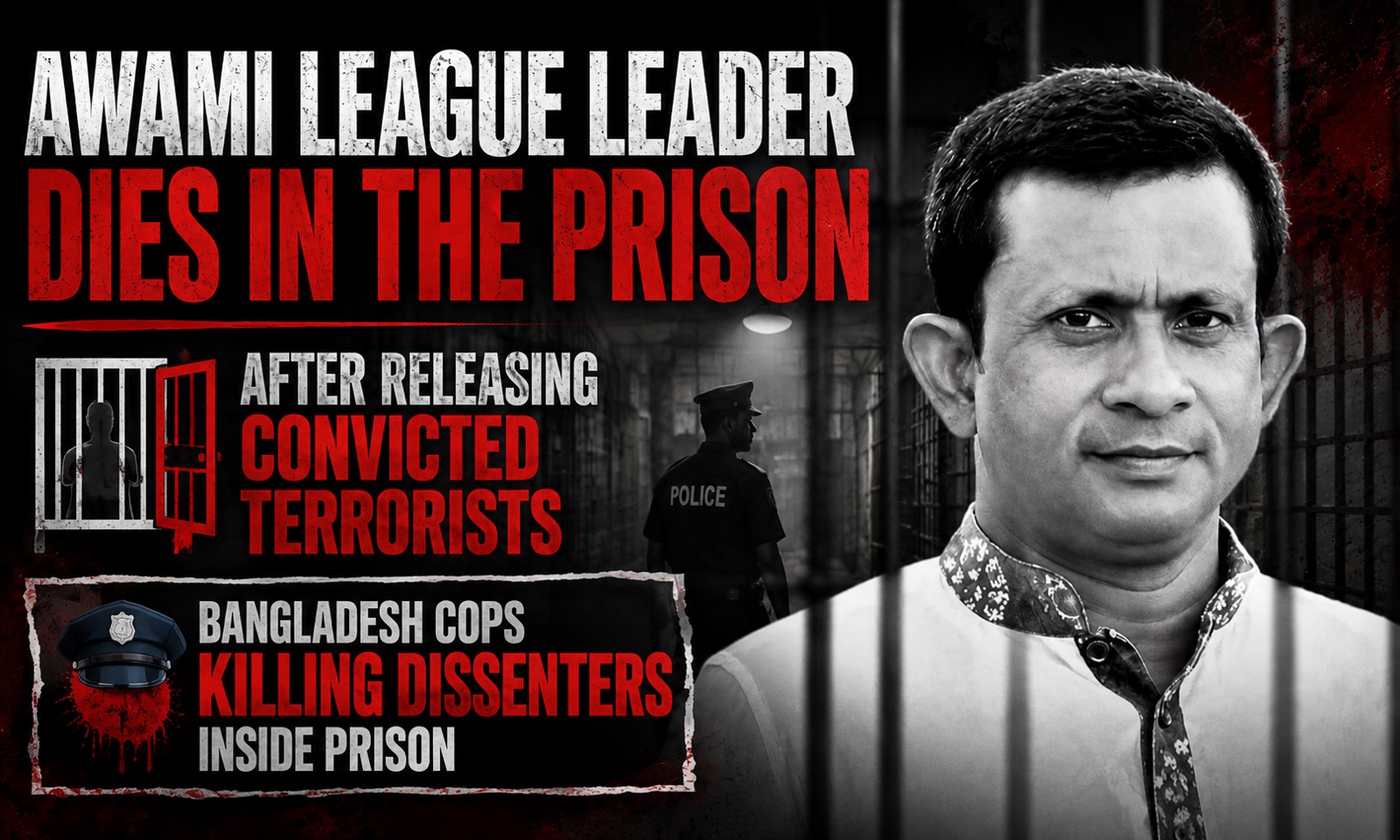
The surge is no accident. Since the political changes of 2024, allegations have mounted that Awami League leaders, activists, and sympathizers are being systematically rounded up, only to perish in police or prison custody. Families speak of healthy individuals detained and returned as corpses. This is not mere negligence; it is vengeance dressed up as law enforcement.
Death Without Trial in Bangladesh
Take the case of Mirza Ishtiaq Ahmed Pranto, a 27-year-old law student from Faridpur. On June 20, 2026, Detective Branch (DB) officers allegedly dragged him from in front of his home, assaulting him in front of his mother. Video footage reportedly shows officers slapping him and demanding sticks. The next morning, he was dead at Faridpur Medical College Hospital. Police claimed a sudden illness and cannabis possession; his grieving mother demanded justice for what she called torture-induced murder. A young, educated man, gone in hours.
Faridpur law student dies in DB custody
Similarly, Nurul Alam, 36, joint convener of a Jubo League unit in Chattogram’s Satkania upazila, met a similar fate. Arrested on June 23 in connection with an old case and produced in court appearing healthy, he died in Chittagong Central Jail the following morning. Jail authorities cited sudden chest pain. His family alleges he was framed amid local disputes and denied proper care. One day in custody, one day, and a man was erased.
Chattogram Jubo League leader dies in custody
Rashed Khan Menon, a 42-year-old Awami League leader in Barishal, died in January 2026 during a police raid as he allegedly tried to flee. His family described a heart patient who panicked at the sight of officers. No case against him, they claimed, yet the raid went ahead.
Even elderly figures were not spared. Ramesh Chandra Sen, former Awami League MP from Thakurgaon-1 and water resources minister, died in February 2026 after falling ill at Dinajpur District Jail. The 84-year-old was arrested in August 2024 and held in multiple cases. Family members alleged fabricated charges and inadequate medical treatment despite his known ailments. He was declared dead on arrival at the hospital.
Ex-minister Ramesh dies in jail custody
The most dangerous aspect of this crisis is the complete lack of institutional accountability. When an individual dies or is tortured in custody, the initial investigations are handled by the exact same law enforcement agencies involved in the arrest. This internal circle guarantees cover-ups, making the Torture and Custodial Death (Prevention) Act practically useless.
Cases of custodial torture, deaths: ‘Cops shouldn’t probe themselves’
Prosecutors rarely move forward with independent investigations, and judicial oversight is heavily compromised by political pressure from the ruling government. For the families left behind, attempting to seek justice results in surveillance, intimidation, and direct threats to their safety.
The international community cannot treat this crisis as a routine domestic political dispute. The data from the first half of 2026 shows a calculated attempt to erase political opposition using the machinery of the state.
The questions that have arisen over deaths in custody and in prisons
Global democratic institutions, the UN, and international development partners must look past the diplomatic talking points of the BNP government. They must demand an independent, international investigation into prison conditions and the specific cases of Prolay Chaki, Durjoy Chowdhury, and the dozens of unnamed citizens who have died in state hands.
When a government uses its police forces and prison cells to permanently silence dissent, it forfeits its democratic legitimacy. Continued silence from international bodies will be read as endorsement. For the people of Bangladesh, accountability is no longer a political debate; it is a matter of basic survival.







This work is copyrighted and authorized by the Bangladesh Awami League. You may download, display, print and re-produce this material in unaltered form only (retaining this notice)for your personal, non-commercial use or use within your organization.
