5905
Published on July 7, 2026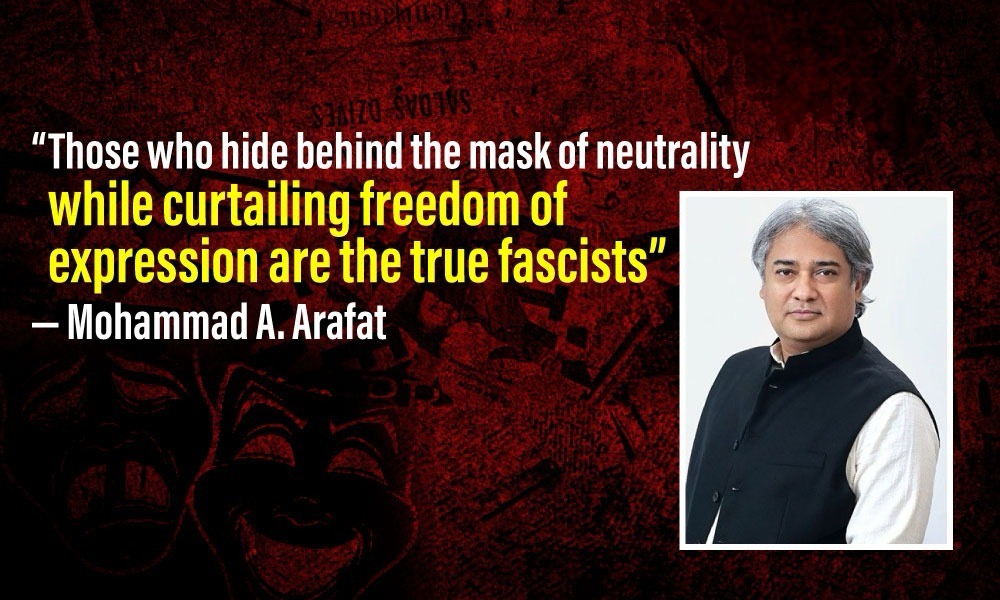
Journalists being neutral is desirable, but having a political position should not be considered a crime. In virtually all advanced democracies, the media and journalists are divided along ideological lines. In the United States, for example, journalists at Fox News and CNN generally operate from perspectives that align more closely with Republican and Democratic political philosophies, respectively. That is simply a reality.
In Bangladesh, many journalists and political commentators have openly displayed partisan bias and, in return, secured various privileges, positions, and benefits during Yunus’s tenure and now under Tarique’s influence as well. On television talk shows, many appear to act as unapologetic spokespersons for the BNP. I have no objection to that; it is their right to freedom of expression.
The problem is that the question of “neutrality” is raised only when a journalist takes a position in support of the Liberation War, secularism, or the Awami League. Such journalists are quickly labeled as “partisan,” “propagandists,” or “biased.” Yet the same standards are rarely applied to BNP-aligned or government-friendly journalists. This double standard is the real issue.
This trend, which began during Yunus’s tenure, continues to this day. Many journalists who stand for the ideals of the Liberation War have been entangled in false cases, imprisoned for years without justice, professionally harassed, and subjected to efforts aimed at silencing their voices. Those who preach neutrality while supporting the use of political and state power to suppress dissent are, in reality, opponents of democracy. Those who hide behind the mask of neutrality while curtailing freedom of expression are the true fascists.
— Mohammad A. Arafat
Information and Broadcasting Minister in Sheikh Hasina’s Cabinet.















This work is copyrighted and authorized by the Bangladesh Awami League. You may download, display, print and re-produce this material in unaltered form only (retaining this notice)for your personal, non-commercial use or use within your organization.
