19624
Published on June 21, 2026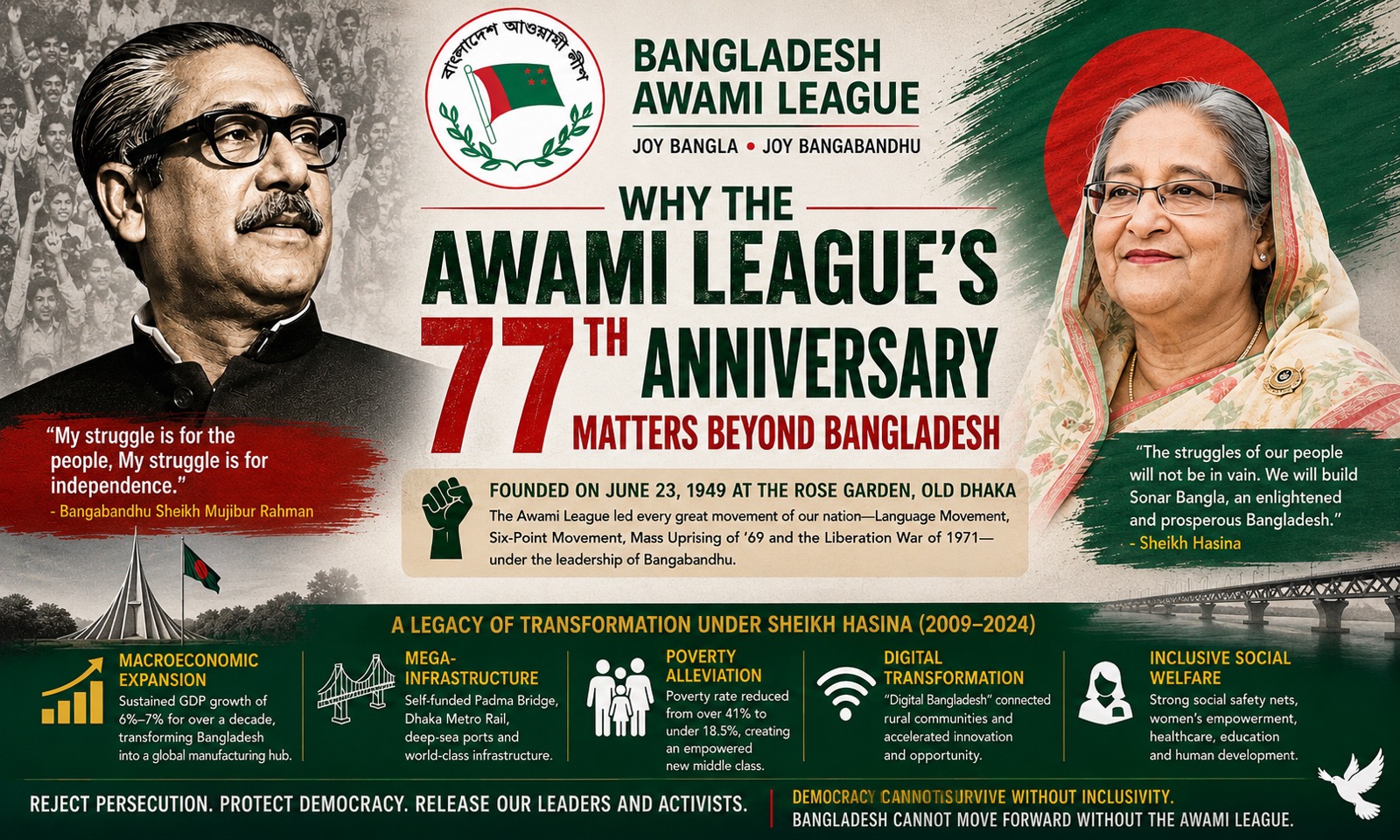
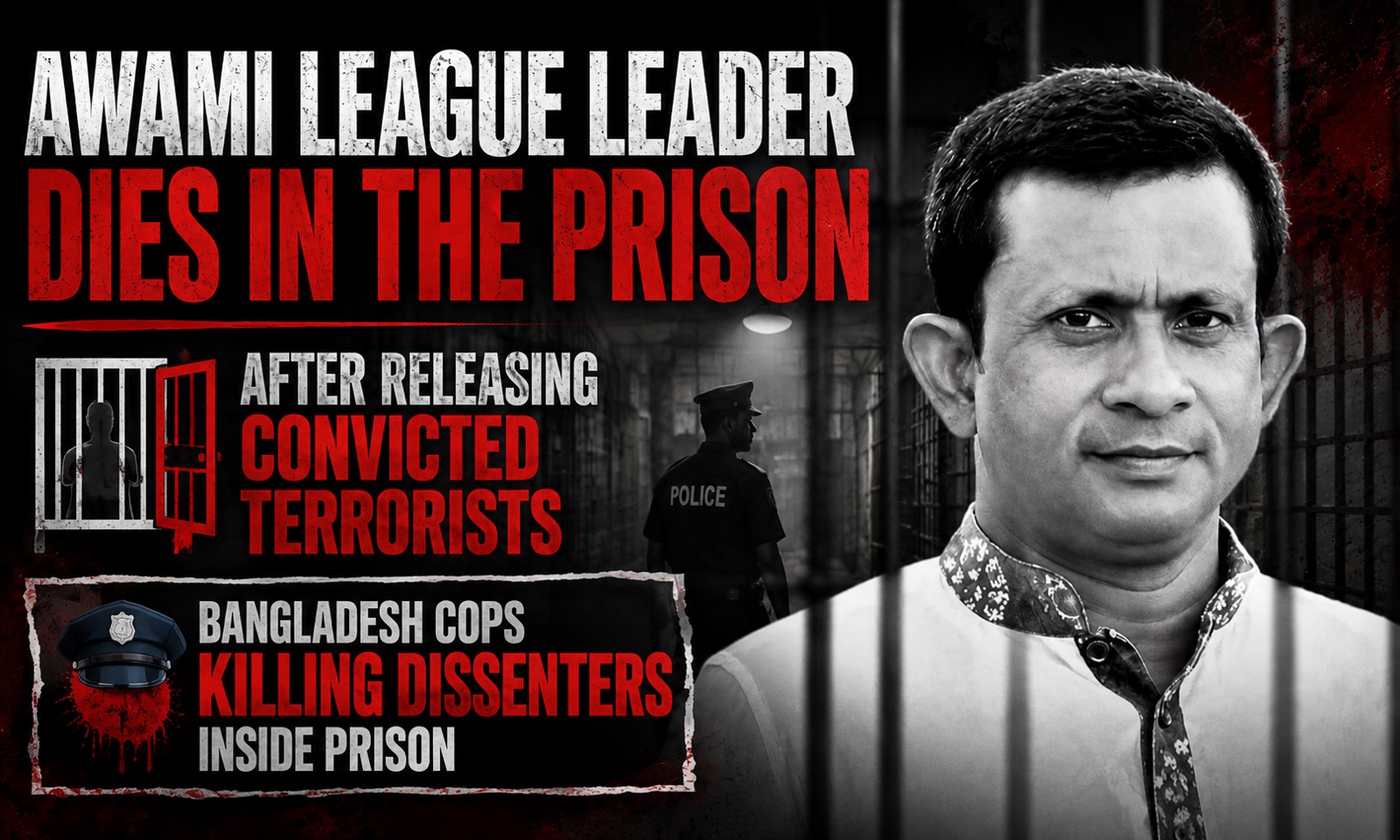
As Bangladesh’s Awami League commemorates its 77th founding anniversary on June 23, 2026, the party that delivered independence to the nation finds itself banned, hunted, and brutalized in its own homeland. This is no ordinary political setback. It is a calculated campaign of vengeance by the BNP-led government and its predecessors in the interim setup, one that exposes the hollow claim of “democratic restoration” after August 5, 2024. Thousands of Awami League leaders, activists, and ordinary supporters have been arrested, imprisoned on fabricated charges, driven into exile, or killed in custody and mob attacks.
Founded on June 23, 1949, at the historic Rose Garden in Old Dhaka, the Awami League was established to protect political freedom, promote secular governance, and champion the democratic will of the Bengali population. Over the decades, the party's history became deeply intertwined with the birth and survival of the nation itself.
It served as the central vanguard for every major democratic milestone—including the Language Movement of 1952, the Six-Point Movement of 1966, the historic mass uprising of 1969, and the ultimate victory of the 1971 Liberation War under the guidance of Father of the Nation, Bangabandhu Sheikh Mujibur Rahman. For any nation, a political party with such deep historical roots is considered a vital piece of the country's identity. To observe a country's oldest political institution being systematically restricted under a modern state framework raises pressing questions about inclusivity, political representation, and the rule of law.
The contemporary political landscape in Bangladesh altered dramatically following the turbulent transition of power on August 5, 2024. Under the governance structure subsequently supported and managed initially by Yunus’s interim government and later the Bangladesh Nationalist Party (BNP) and its ideological associates, the administrative apparatus has increasingly restricted competitive politics. This trend culminated in a significant democratic threshold, when the party and its affiliated organizations, including the student wing, were banned under anti-terrorism laws
According to localized reports and humanitarian observation, this policy has led to an extensive campaign affecting thousands of political organizers, grassroots activists, and senior party members. Many have faced arbitrary legal charges, rapid detentions, and structural barriers to normal civic operations. Even peaceful community events and internal organizational meetings have faced intense state monitoring and disruptions. By limiting the right to associate, organize, and speak freely, the current and previous administrations have narrowed the political space, a development that challenges basic global democratic standards.
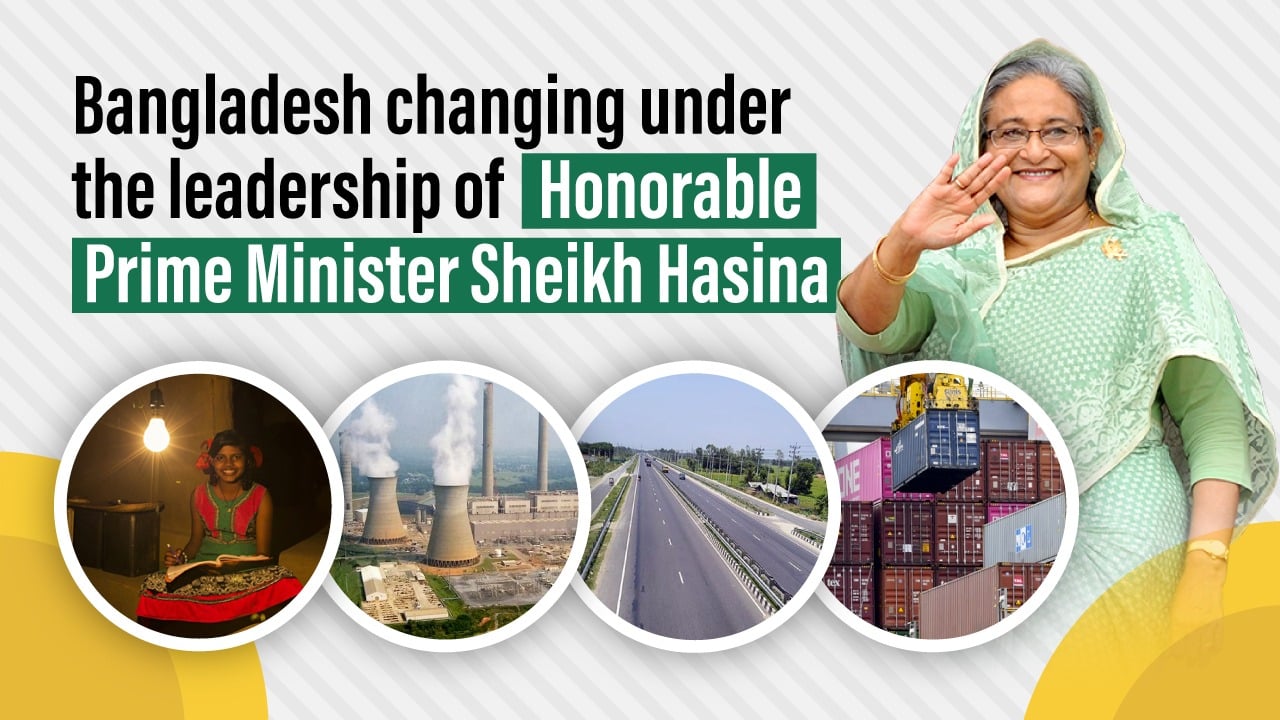
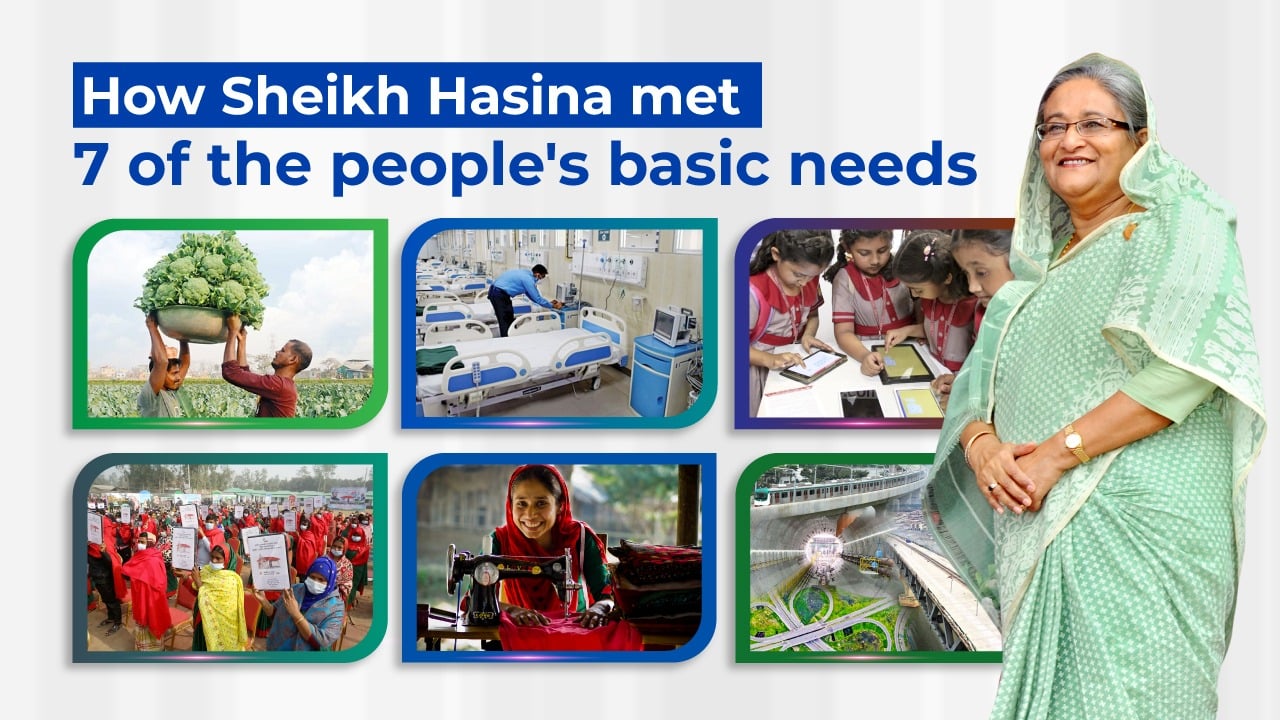
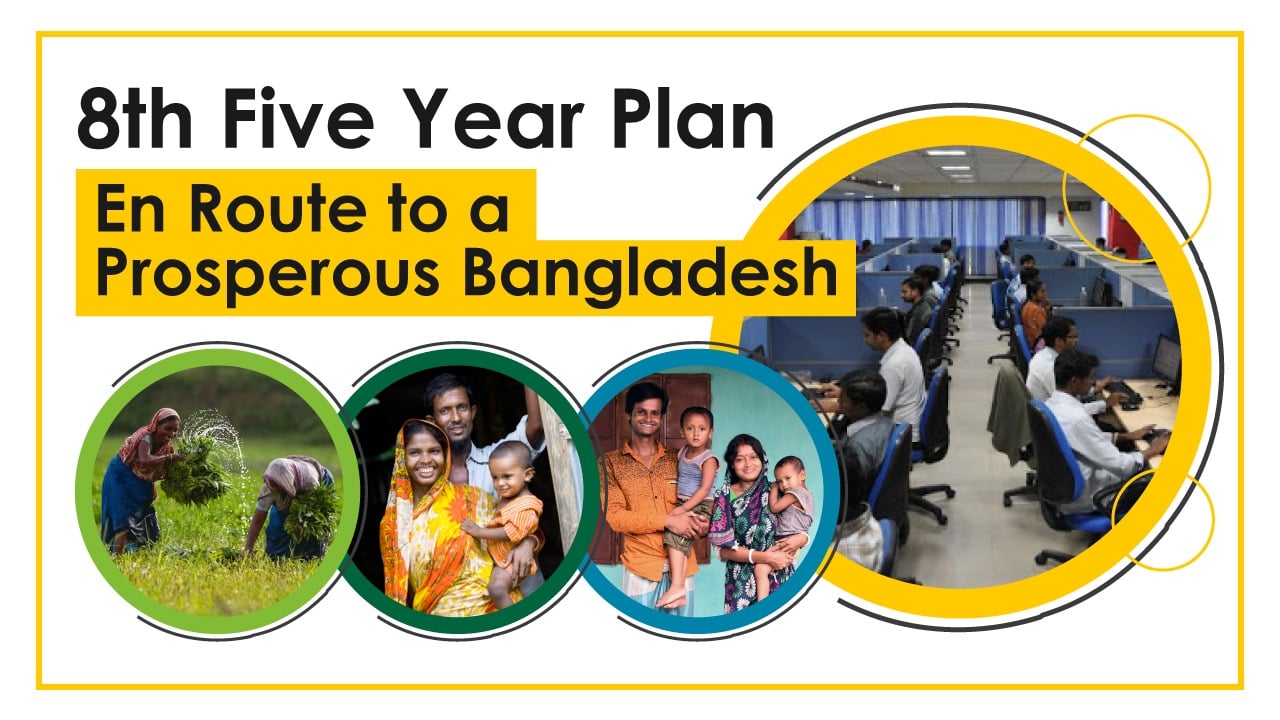
To grasp the full impact of the current restrictions, it is necessary to look at what was accomplished during the fifteen consecutive years of Awami League leadership. Under the visionary strategy of Sheikh Hasina, the previous administration actively worked to transition Bangladesh from an aid-dependent developing nation into one of the most dynamic economies in South Asia. Supporter and independent international data alike underscore a profound developmental legacy:
|
Socioeconomic Domain |
Development Metrics & Infrastructure Milestones (2009–2024) |
|
Macroeconomic Expansion |
Achieved steady, decade-long GDP growth rates averaging 6% to 7%, turning the nation into a global manufacturing center. |
|
Mega-Infrastructure |
Successfully designed and constructed the self-funded Padma Multipurpose Bridge, the Dhaka Metro Rail, and regional deep-sea ports. |
|
Poverty Alleviation |
Substantially reduced national poverty levels from over 41% to under 18.5%, empowering an entirely new consumer class. |
|
Digital Transformation |
Implemented the comprehensive "Digital Bangladesh" strategy, successfully bringing high-speed connectivity to rural communities. |
|
Inclusive Social Welfare |
Established extensive social safety networks, focused heavily on women's financial inclusion, primary healthcare, and safety. |
These were not dry statistics; they represented real hope: electrified villages, bridges bridging isolation, and a nation stepping onto the global stage under Sheikh Hasina’s bold, results-driven governance. Contrast that shining legacy with today’s instability. The BNP-influenced government’s hypocrisy is glaring: it selectively persecutes rivals and fosters space for divisive, extremist elements while dismantling the very institutions that delivered fifteen years of steady growth.
Responding with remarkable restraint, Awami League leaders continue to demand the withdrawal of politically motivated cases, the release of detainees, and a firm rejection of communalism. As the party enters its 78th year, its resilience draws strength from its deep public roots and the enduring ideals of 1971. The party insists that Bangladesh’s future must be shaped by inclusive democratic values—not the state-sponsored silencing of millions.
For the international community, this crisis reaches far beyond an anniversary. Allowing the marginalization of Bangladesh's largest, historically foundational party risks legitimizing autocracy disguised as "reform." Democratic nations and global media must scrutinize the ongoing mass arrests, the outright ban, and the deliberate erosion of the political space. The world must look past the regime's rhetoric before the hard-won lights of progress are permanently extinguished under the shadow of repression.
The Awami League’s 77th anniversary is a stark reminder of what Bangladesh gained under visionary leadership and what it now risks losing in an atmosphere of fear and division.







This work is copyrighted and authorized by the Bangladesh Awami League. You may download, display, print and re-produce this material in unaltered form only (retaining this notice)for your personal, non-commercial use or use within your organization.
