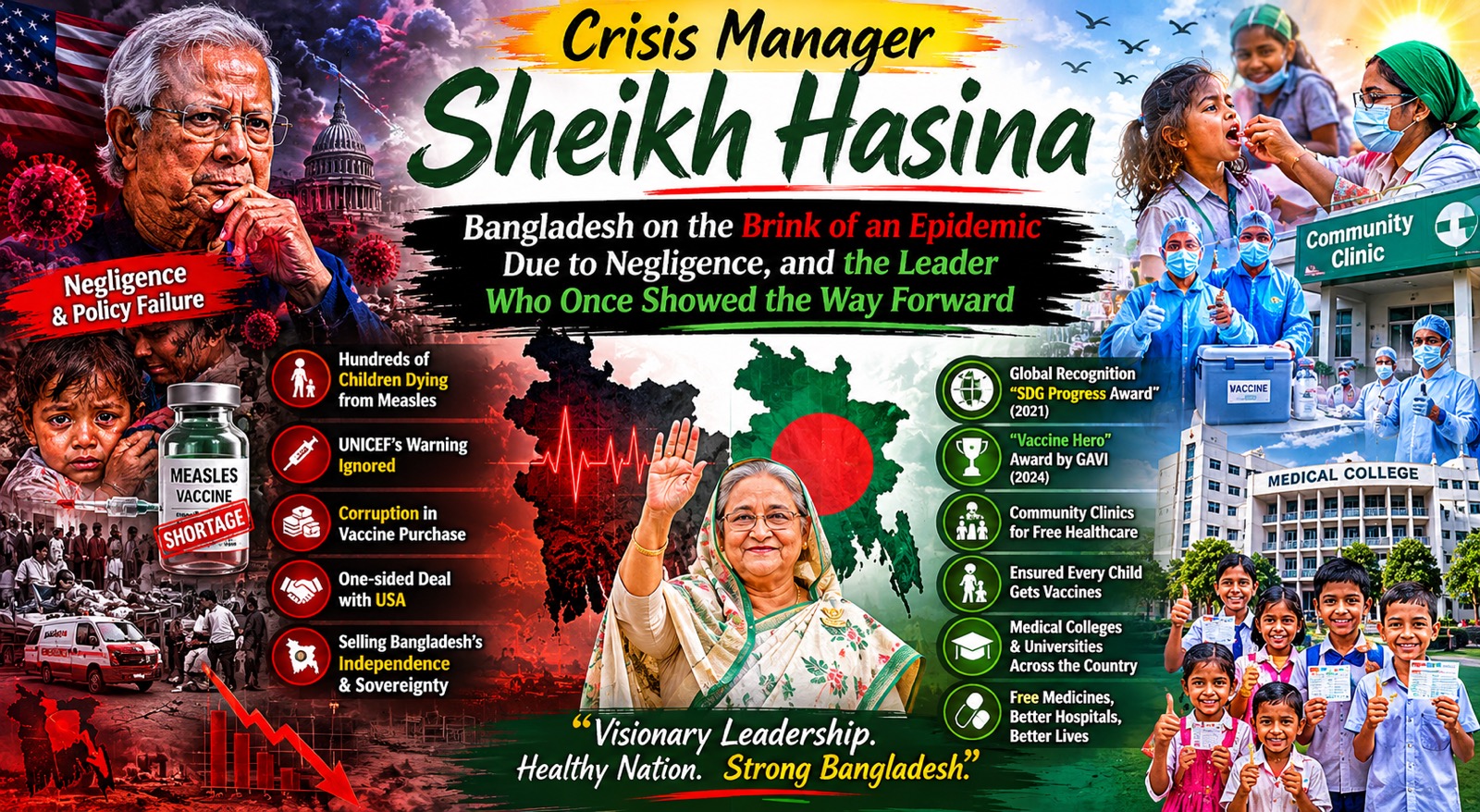
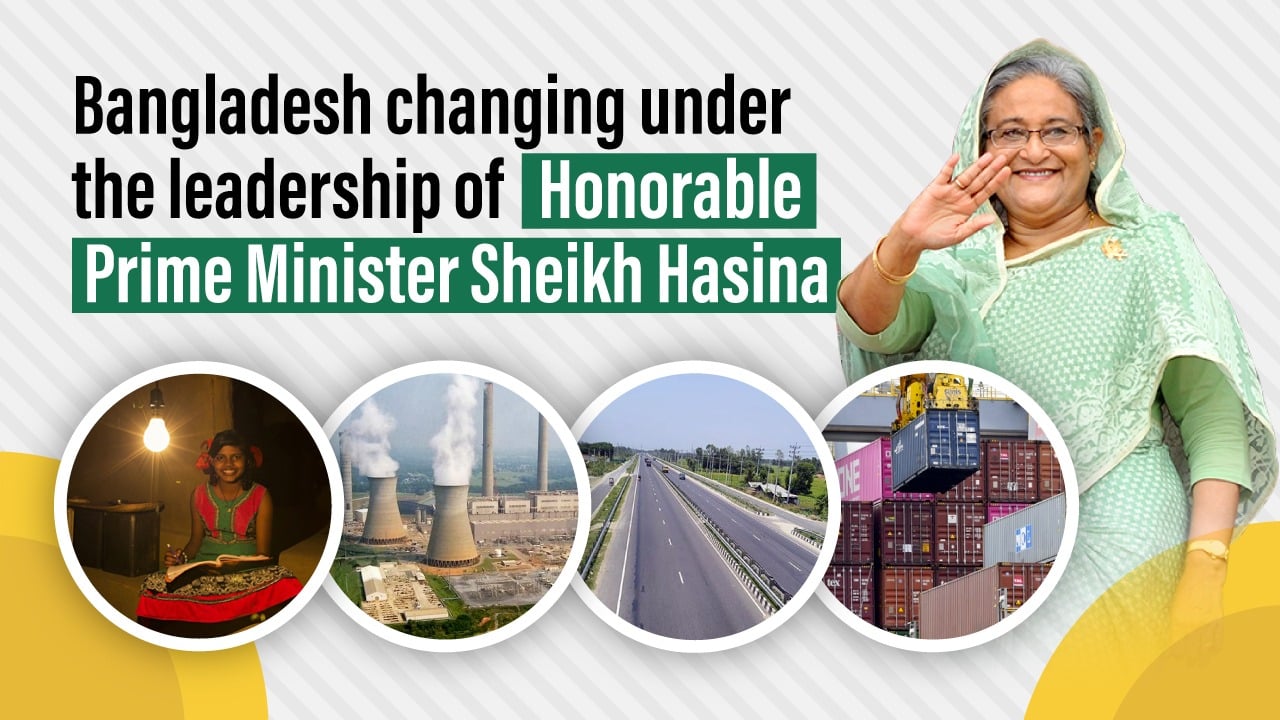
History will bear witness that on one side stood Bangladesh’s extraordinary success in confronting a global pandemic like COVID-19 under the visionary leadership of Sheikh Hasina, while on the other side stands the gross negligence and policy failures of the interim government led by Dr. Muhammad Yunus, which has now pushed the country to...
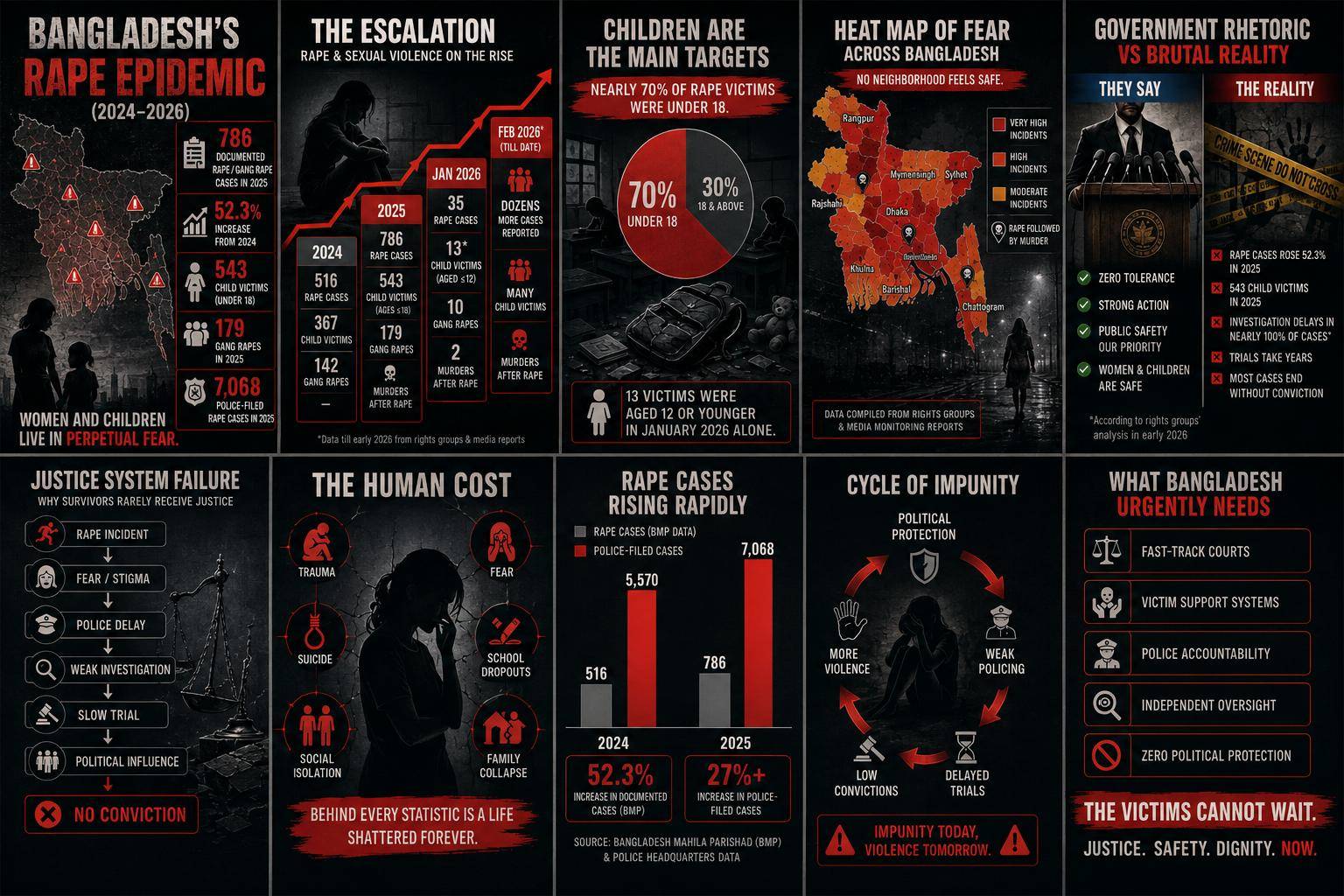
In the streets, villages, and even homes of Bangladesh in 2026, women and children live in perpetual fear. No neighborhood feels safe. No hour of the day guarantees security. Almost daily, reports emerge of rape, gang rape, sexual assault, and murders following these violations. This is not a sporadic crisis; it is a national emergency that expo...
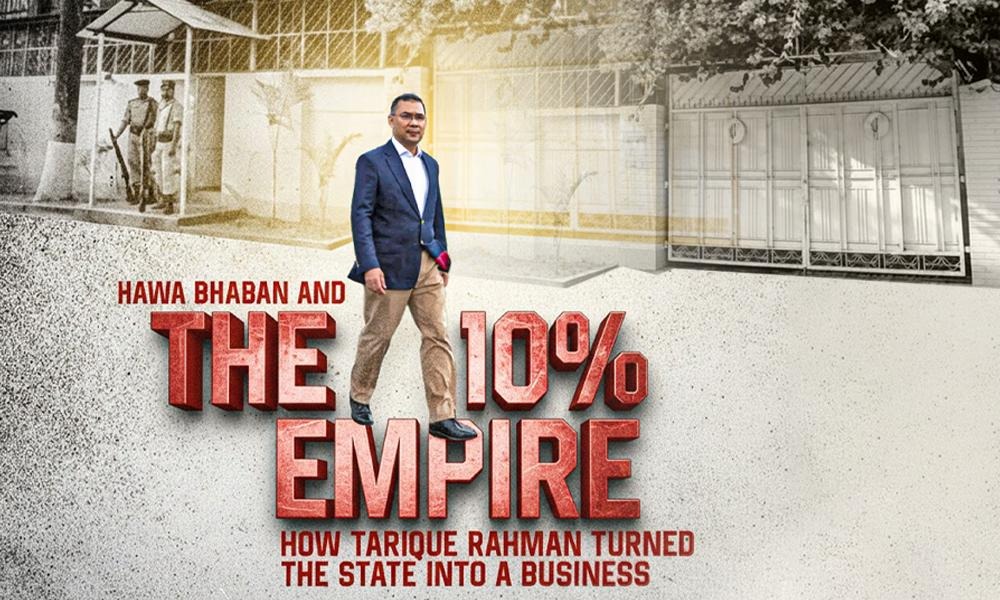
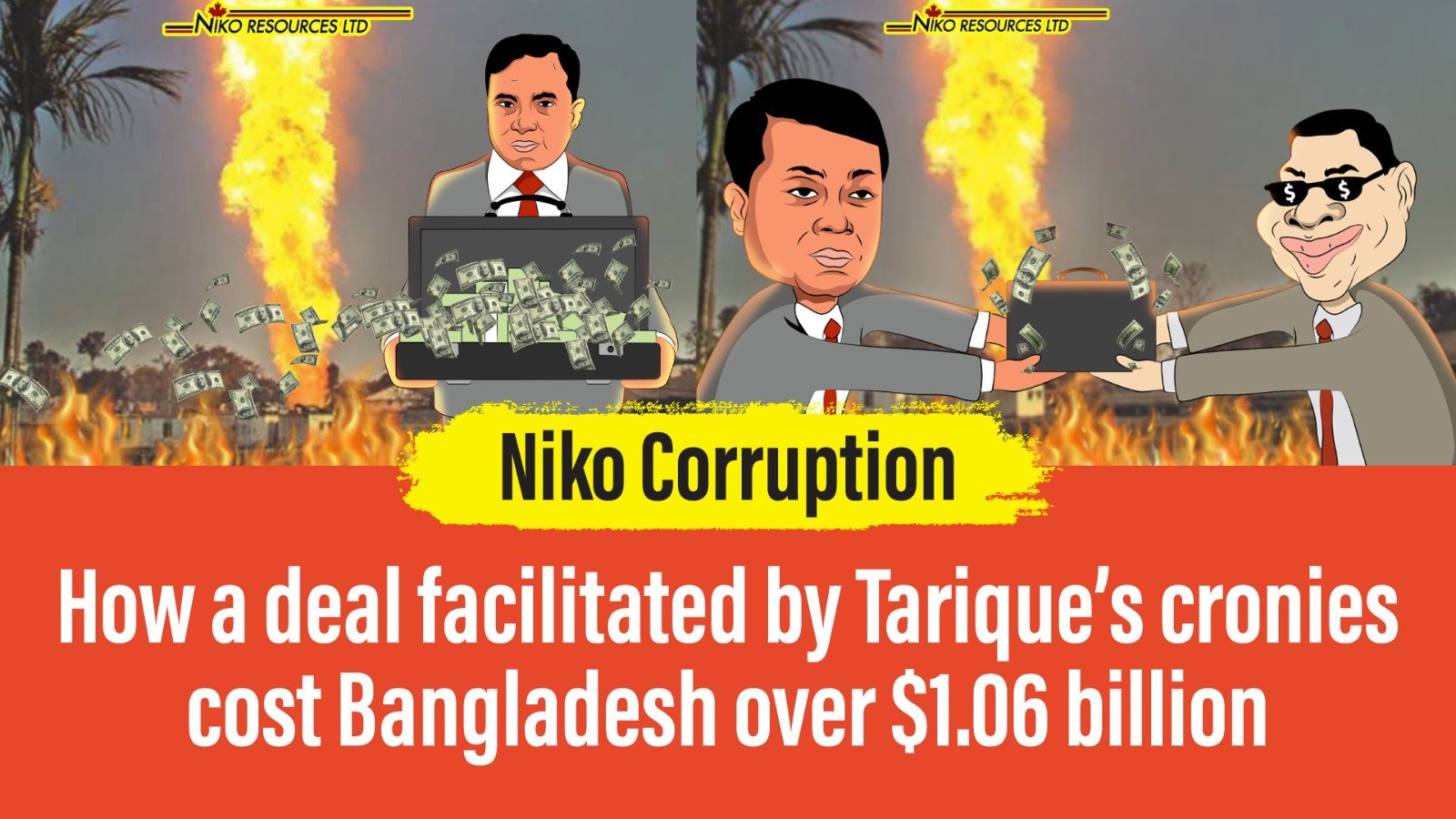
A detailed examination of Tarique Rahman’s shadow rule during 2001–2006, exposing Hawa Bhaban’s parallel state, the 10% commission system, institutional collapse, and the dangers of historical amnesia in Bangladesh.
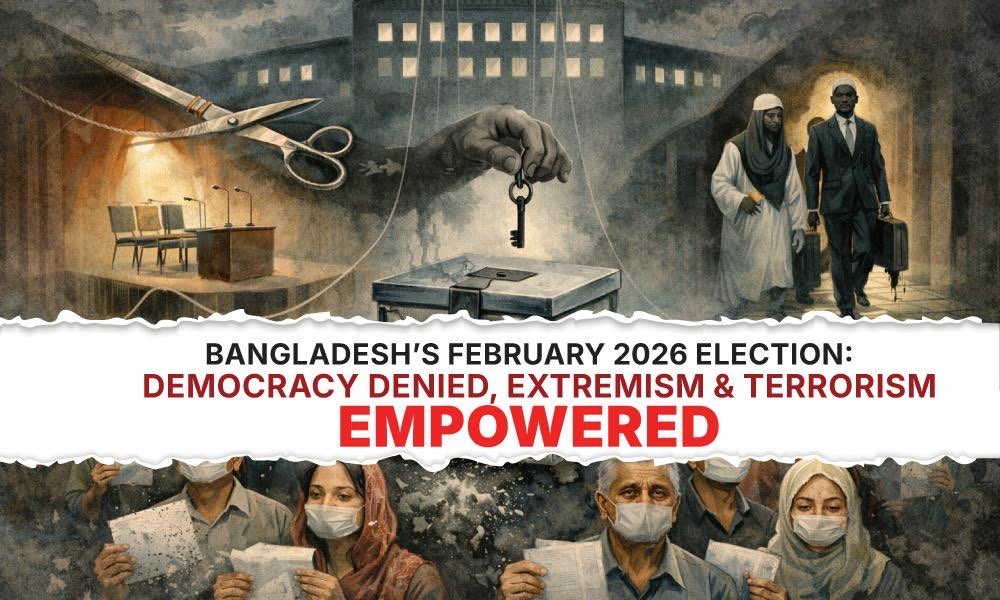
Bangladesh’s February 2026 election is being sold as a return to democracy, but in reality, it is built on exclusion. By banning the Awami League, the country’s largest political party with the support of nearly 60% of voters, the Yunus government has ensured that a majority of citizens will be locked out of the electoral process. An election th...
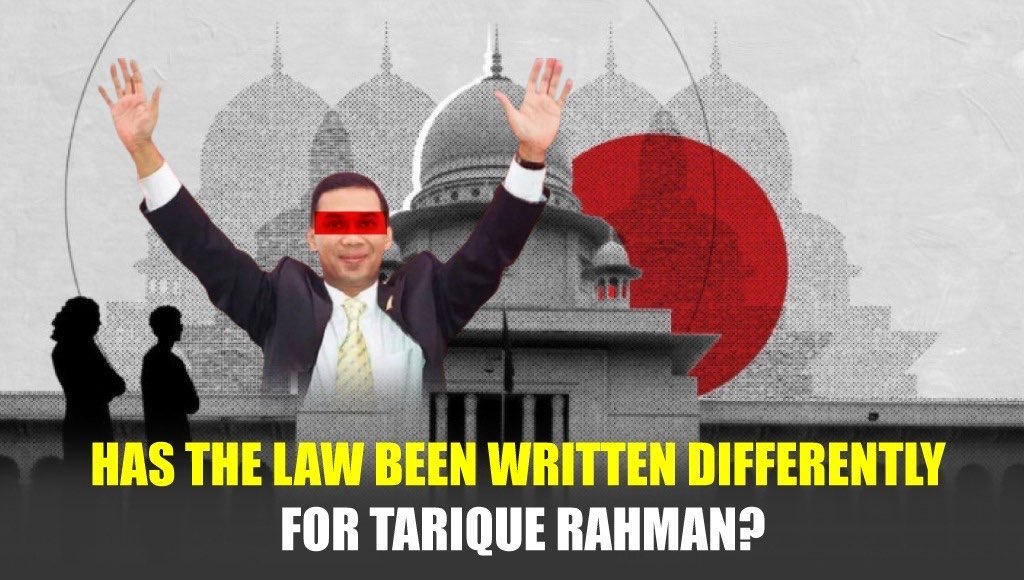
Once a convicted accused, Tarique Rahman is now receiving one privilege after another, with repeated violations of the law raising deep questions in the public mind. The law that is strict and uncompromising for ordinary citizens—does it become relaxed in the case of Tarique Rahman? Or is he, in effect, above the law? From the very moment...
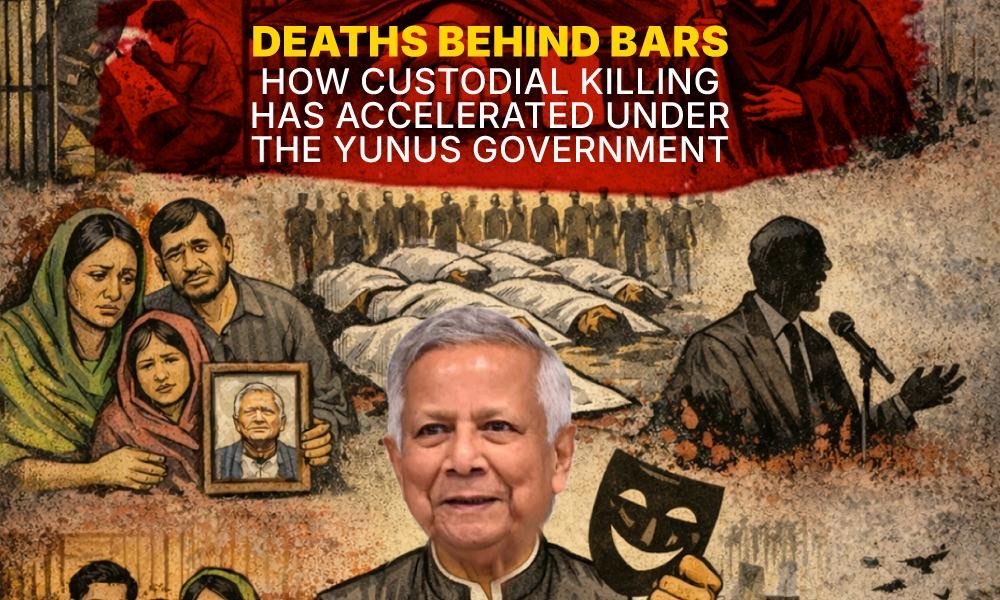
Custody Without Safety Deaths in jail and police custody have increased noticeably under the Yunus-led interim government, turning detention into a growing source of fear rather than protection. People are being arrested alive and returned dead, with official explanations offering little clarity and even less accountability. What was meant to b...

A coordinated wave of attacks on media, minorities, cultural institutions, and diplomatic sites exposes the rise of organized Islamist violence and the interim government’s refusal to confront it. Osman Hadi did not die on the streets of Dhaka. He died abroad, in Singapore, far from the political theater that would later be built around h...
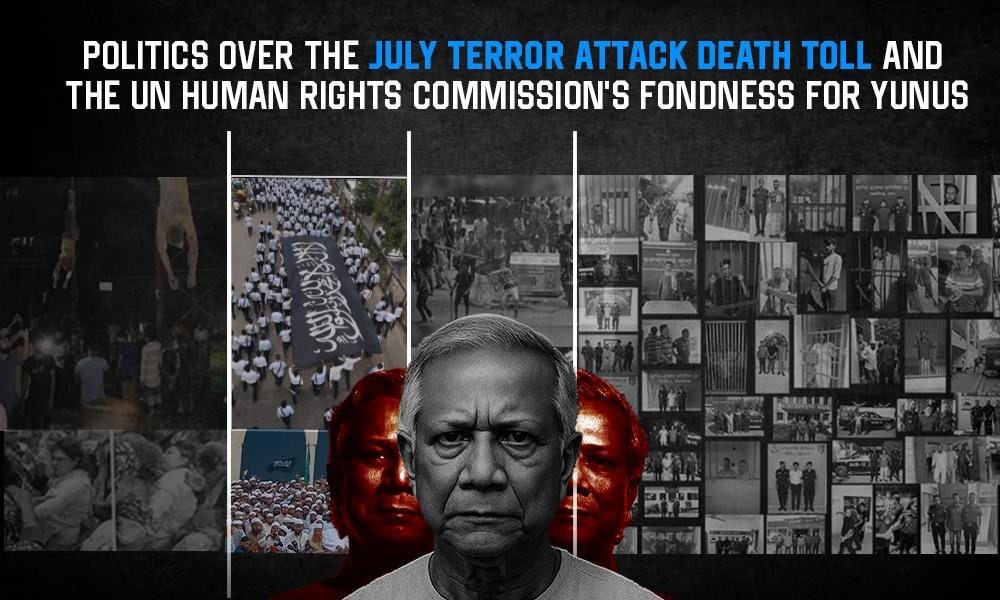
A fact-finding team from the Office of the UN High Commissioner for Human Rights (OHCHR) carried out a limited on-site visit between 16 September 2024 and 12 February 2025, and then released a report on the so-called July–August 2024 movement in Bangladesh. The report received major coverage in Bangladesh’s electronic and print media...
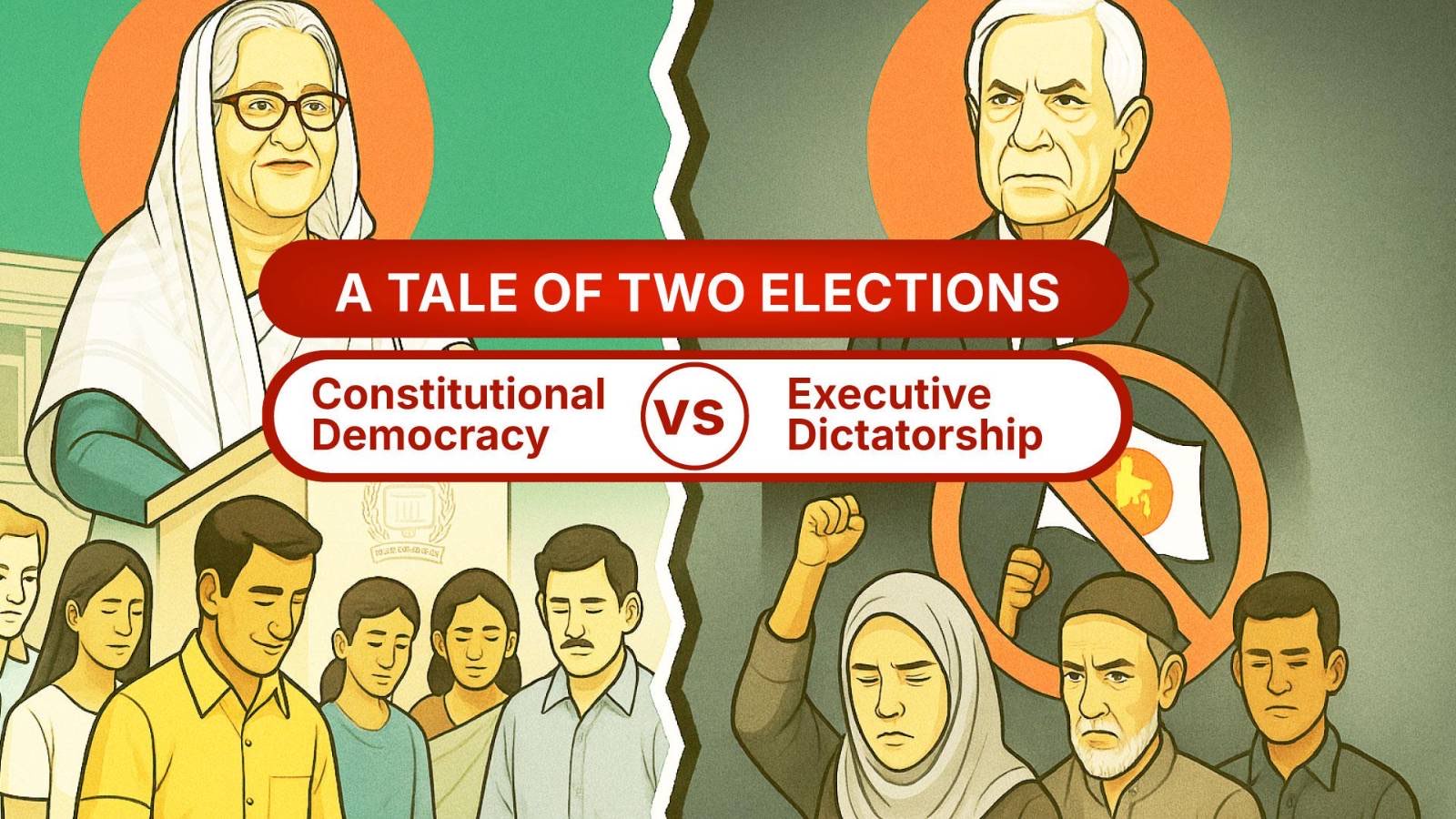
As Bangladesh moves toward the 2026 election, the Yunus-led interim regime stands accused of dismantling democracy by banning Sheikh Hasina’s Awami League. This unconstitutional move marks a dangerous assault on political rights, silencing the nation’s largest democratic force and deepening fears of an engineered, one-sided election.
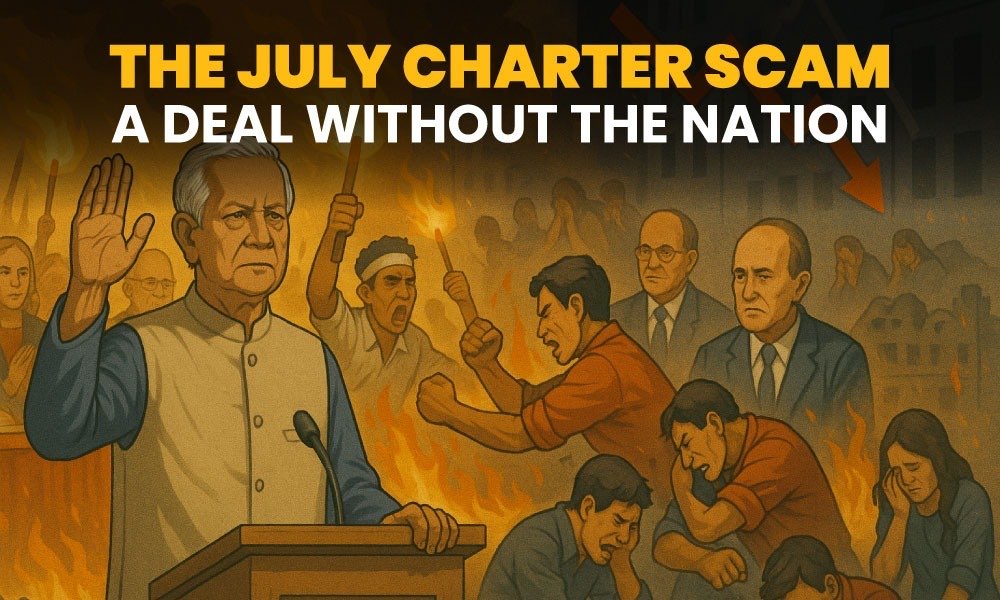
How Yunus Sold Exclusion as Reform and Fooled the World Announced on October 17, 2025, the July Charter is being paraded as a national reform — but it is, in truth, a calculated deception staged to protect one man. Behind the polished speeches and diplomatic applause lies a hollow truth: those who represent nearly 60% of Bangladesh’...
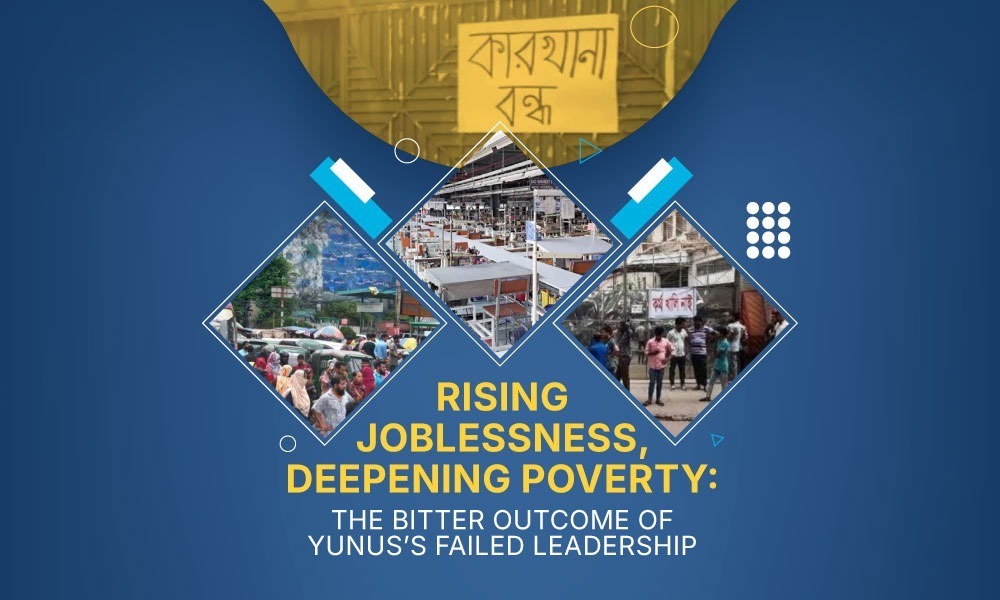
Yunus’s Promise Turned into a Struggle for Survival The sound of sewing machines that once filled the air in Dhaka, Gazipur, and Narayanganj has gone quiet. The factories that used to keep Bangladesh’s economy alive are now shutting their doors one after another. Thousands of garment workers are out of work, wandering the streets, d...
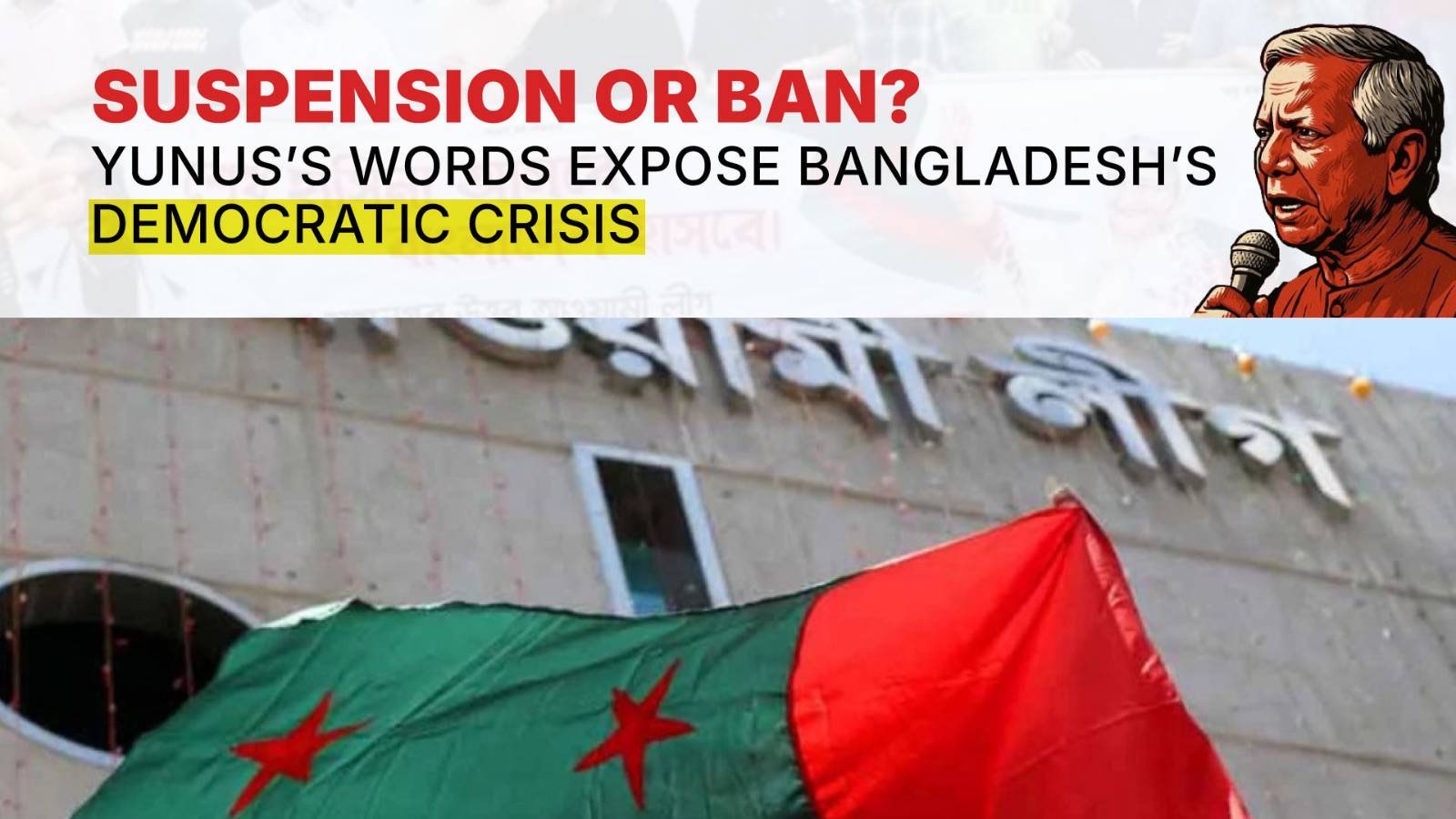
Yunus Exposes His Own Insecurities Again… Muhammad Yunus has once again exposed his own contradictions and insecurities in his recent interview with Mehdi Hasan on the sidelines of the United Nations General Assembly. Trying to defend the suspension of the Awami League, Bangladesh’s largest political party, Yunus stumbled into word...
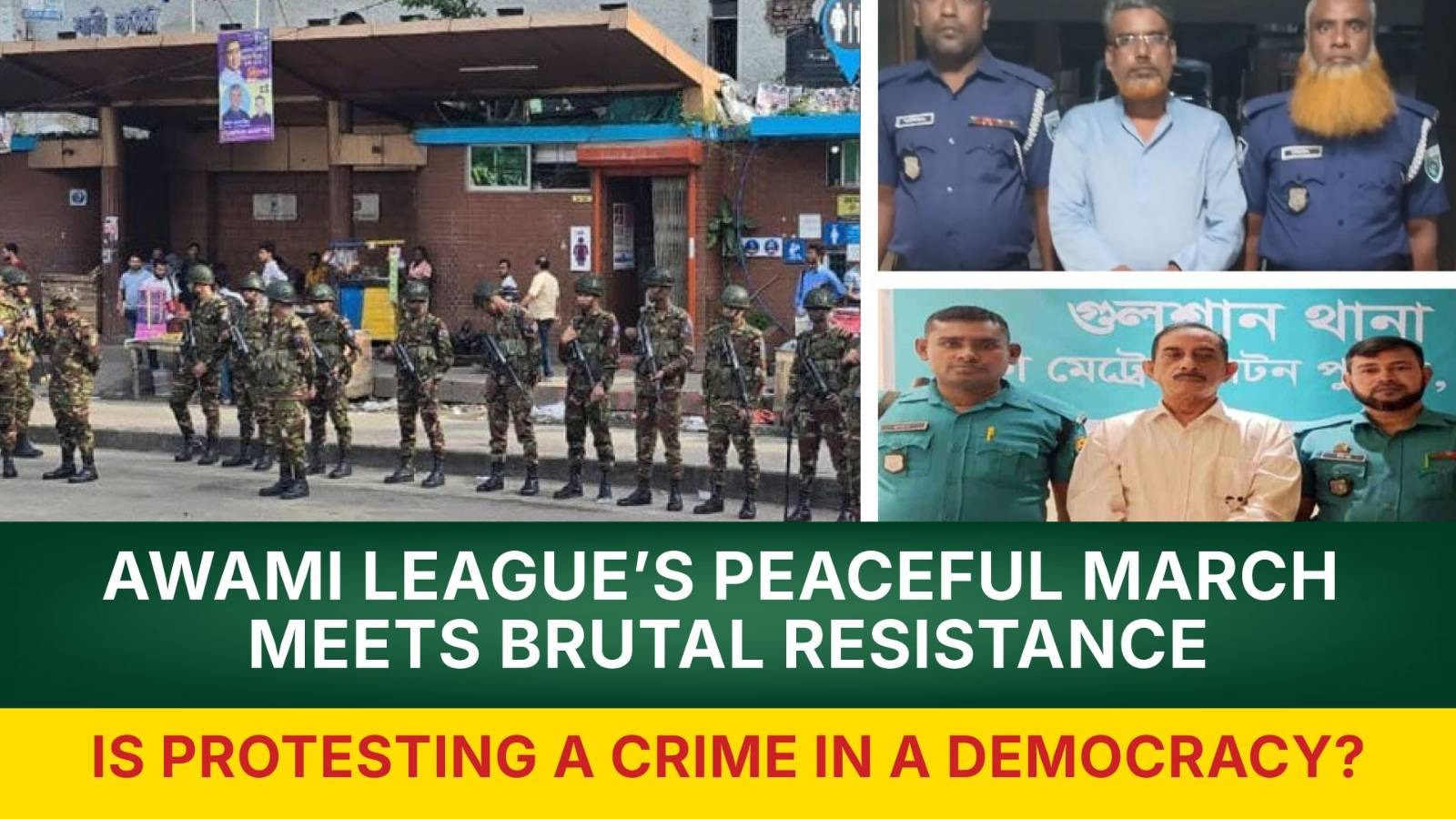
Is a Peaceful March Treated As a Crime in a Democracy Awami League leaders and activists once again took to the streets in a massive rally towards the National Parliament, demanding the resignation of the illegal Yunus government. The march, intended as a peaceful show of people’s strength, quickly turned into yet another scene of state-s...
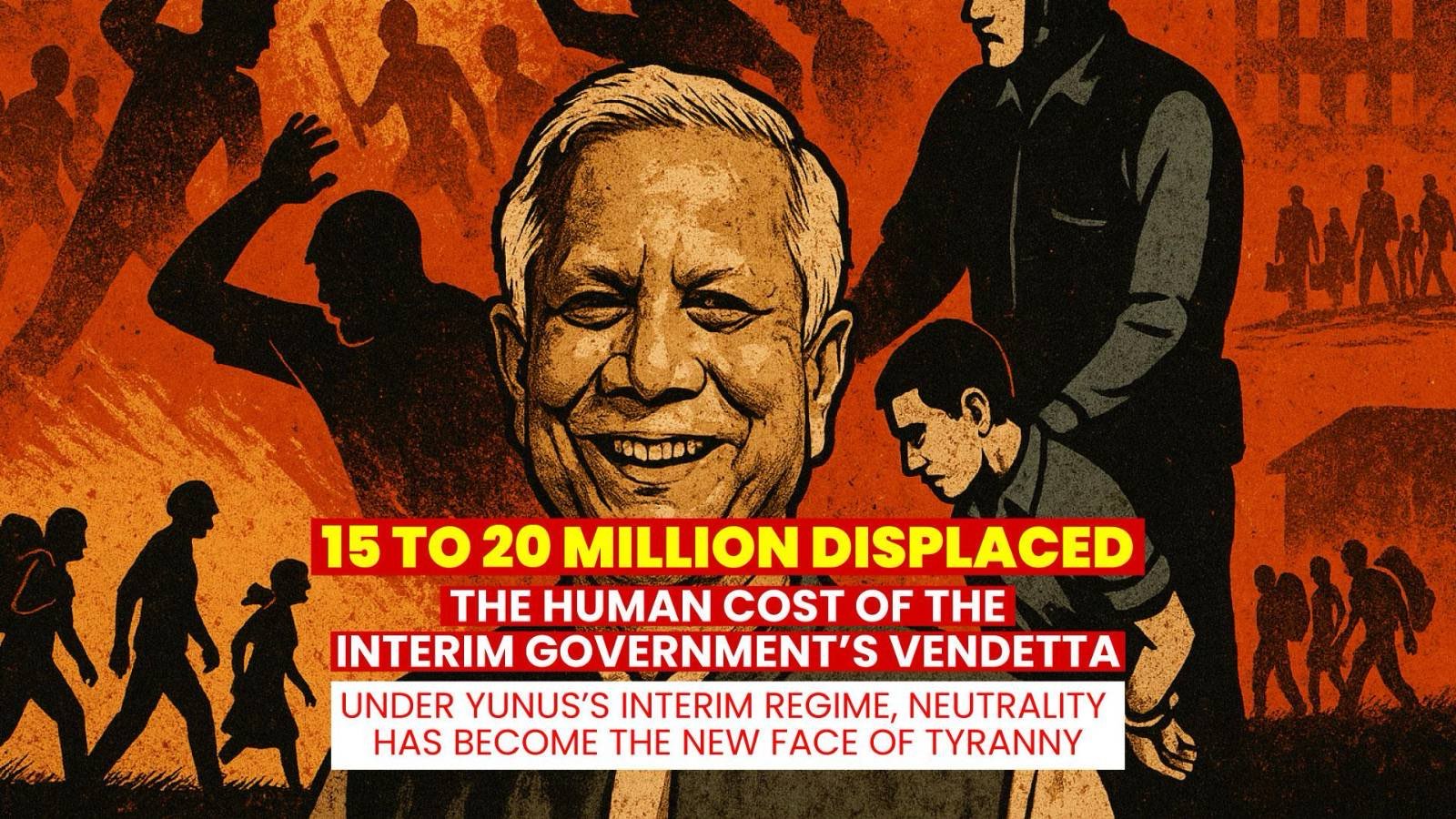
The Yunus-led interim government has seized the state, weaponizing courts, police, and local administrations to enforce a campaign of vengeance. Streets, villages, and political offices have become hunting grounds for anyone linked to the Awami League. Almost 15 to 20 million Awami League leaders and activists are now internally displaced, drive...
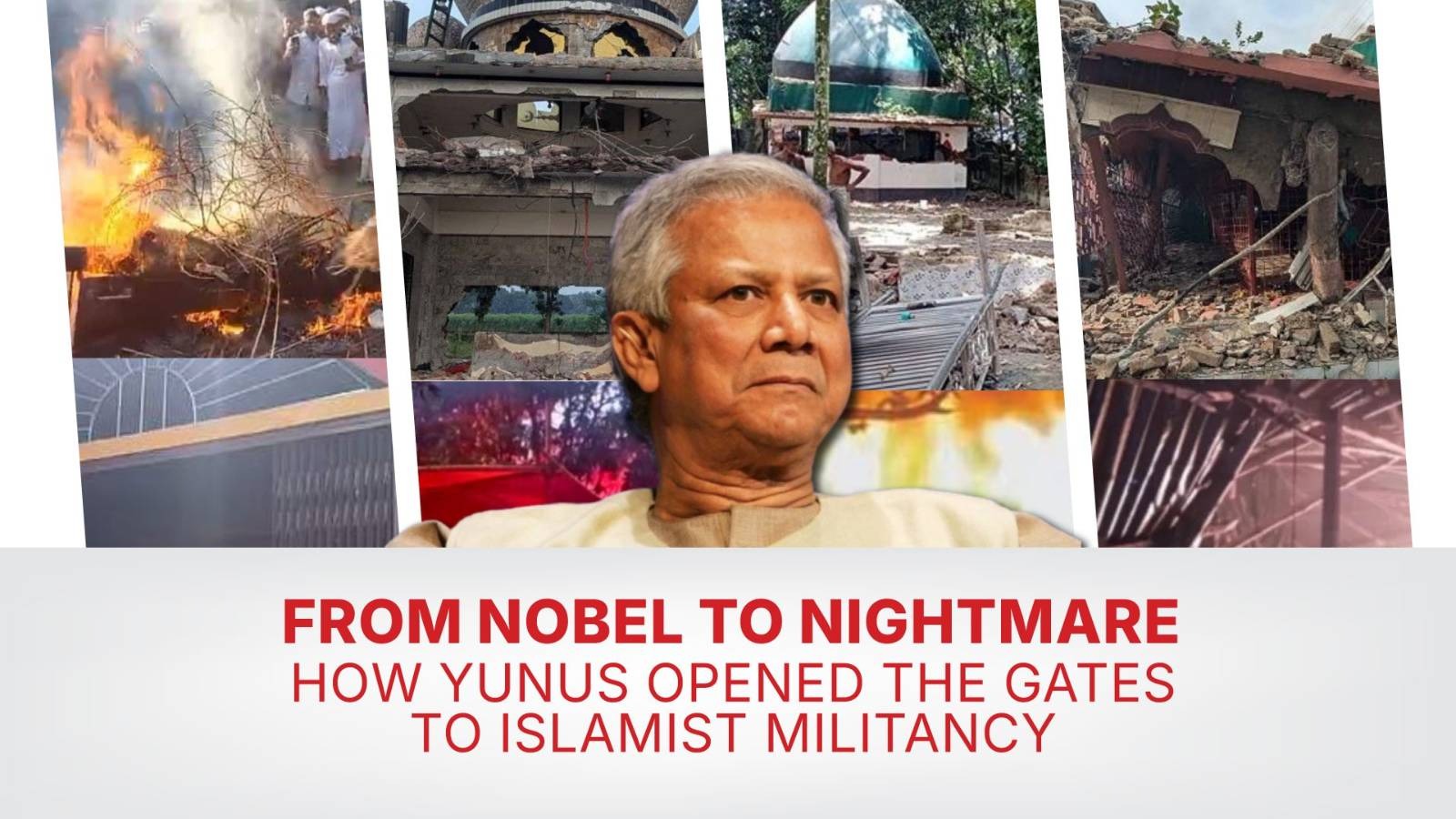
Bangladesh today stands at a dangerous crossroads. What was once a nation born out of a secular, pluralistic vision in 1971 is now being dragged into the abyss of religious fundamentalism. The fall of Sheikh Hasina’s government on August 5, 2024, did not usher in stability; it opened the gates for extremism. And at the center of this crisi...
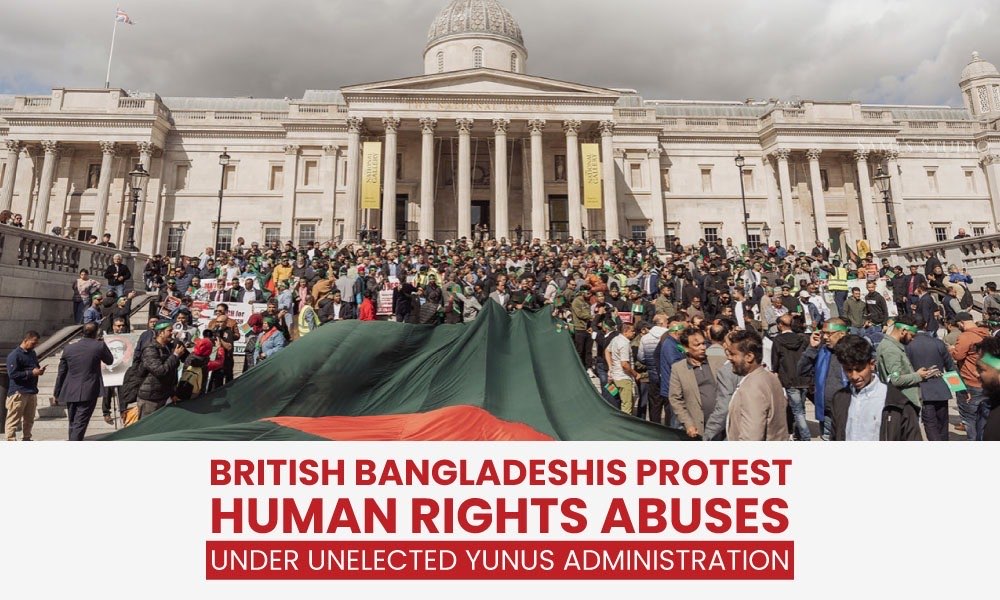
Over 2,000 members of the Bangladeshi diaspora in the UK held a demonstration in Trafalgar Square on 15 September to protest the repression, human rights abuses and undemocratic activities exhibited by the unelected interim government in Bangladesh. The protesters marched from Trafalgar Square to Downing Stree...

Bangladesh’s interim period, under the self-proclaimed banner of “restoring democracy and stability,” has instead unleashed a climate of lawlessness, one in which even those sworn to protect the nation are not spared. Police officers, tasked with safeguarding citizens and upholding the law, now face assaults, threats, and killi...
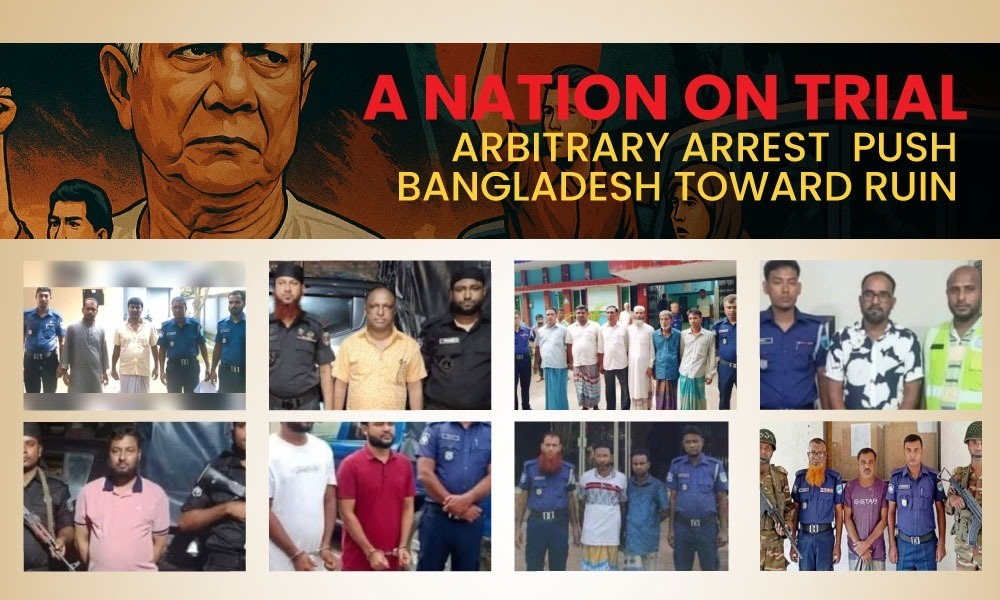
Bangladesh stands at a perilous crossroads. Under the interim government of Muhammad Yunus, arbitrary arrests have become the state’s weapon of choice to control dissent and neutralize political opposition. From grassroots activists to former ministers, respected intellectuals to ordinary citizens attending a procession, people are detaine...
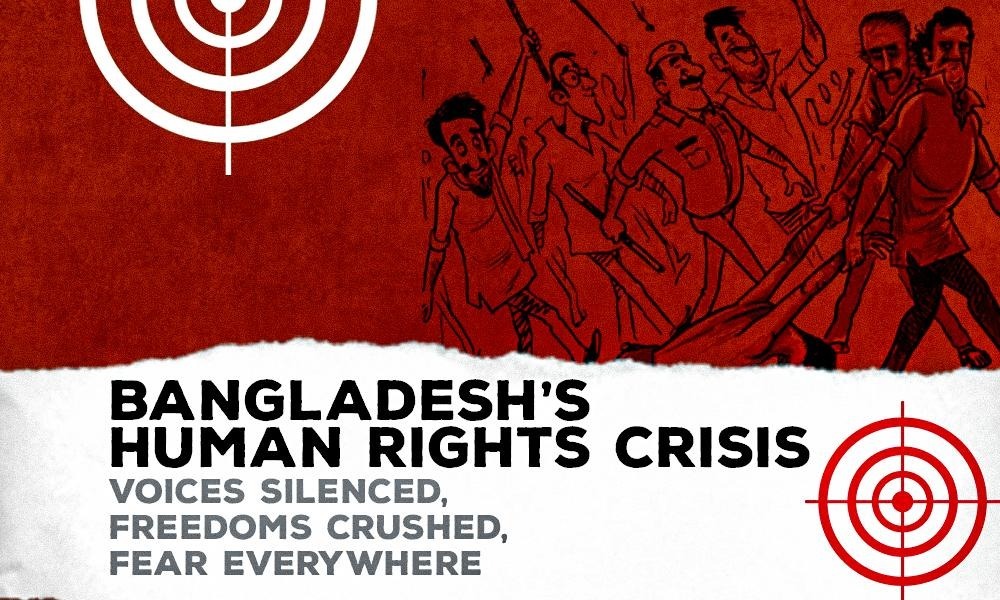
Bangladesh in 2025 is no longer a democracy, it is a nation held hostage by fear, violence, and betrayal. Under the shadow of Muhammad Yunus’s illegitimate interim regime, the promise of freedom has withered into a nightmare of persecution. Human rights are not just violated, they are dismantled. Journalists are hunted like criminals, activists ...
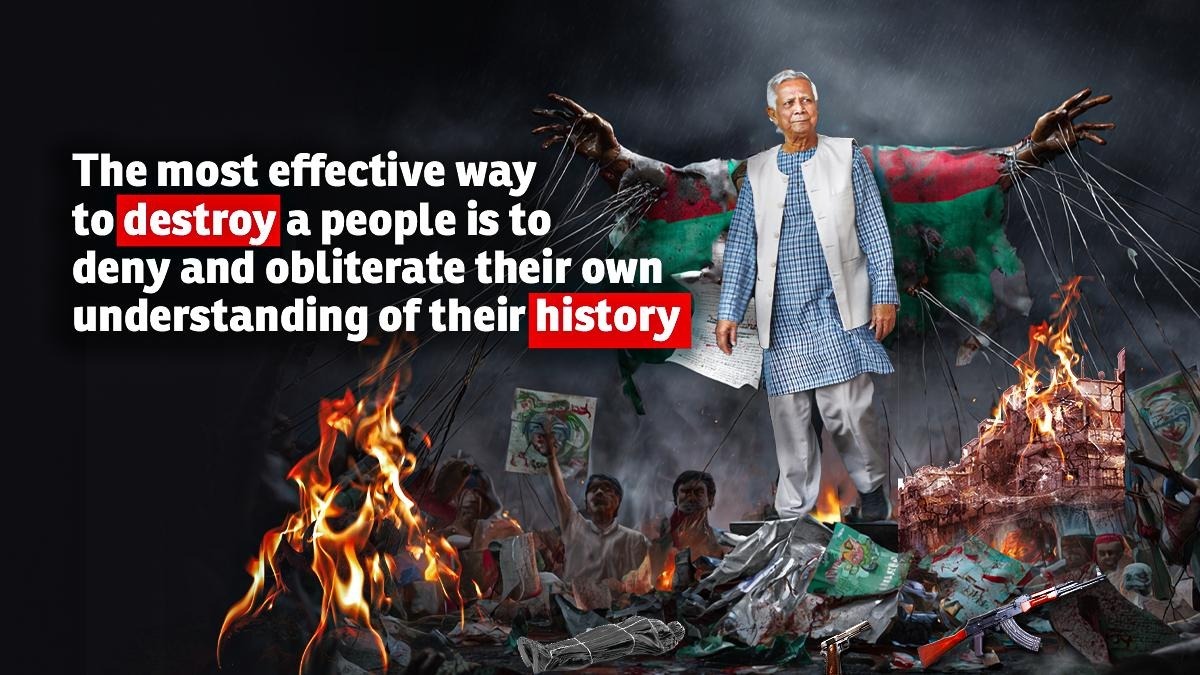
"The most effective way to destroy a people is to deny and obliterate their own understanding of their history." — George Orwell In today’s Bangladesh, this Orwellian prophecy is no longer fiction; it is reality. On the morning of August 5, 2024, Bangladesh did not just lose a government—it lost its democracy,...
This work is copyrighted and authorized by the Bangladesh Awami League. You may download, display, print and re-produce this material in unaltered form only (retaining this notice)for your personal, non-commercial use or use within your organization.