13902
Published on July 7, 2026
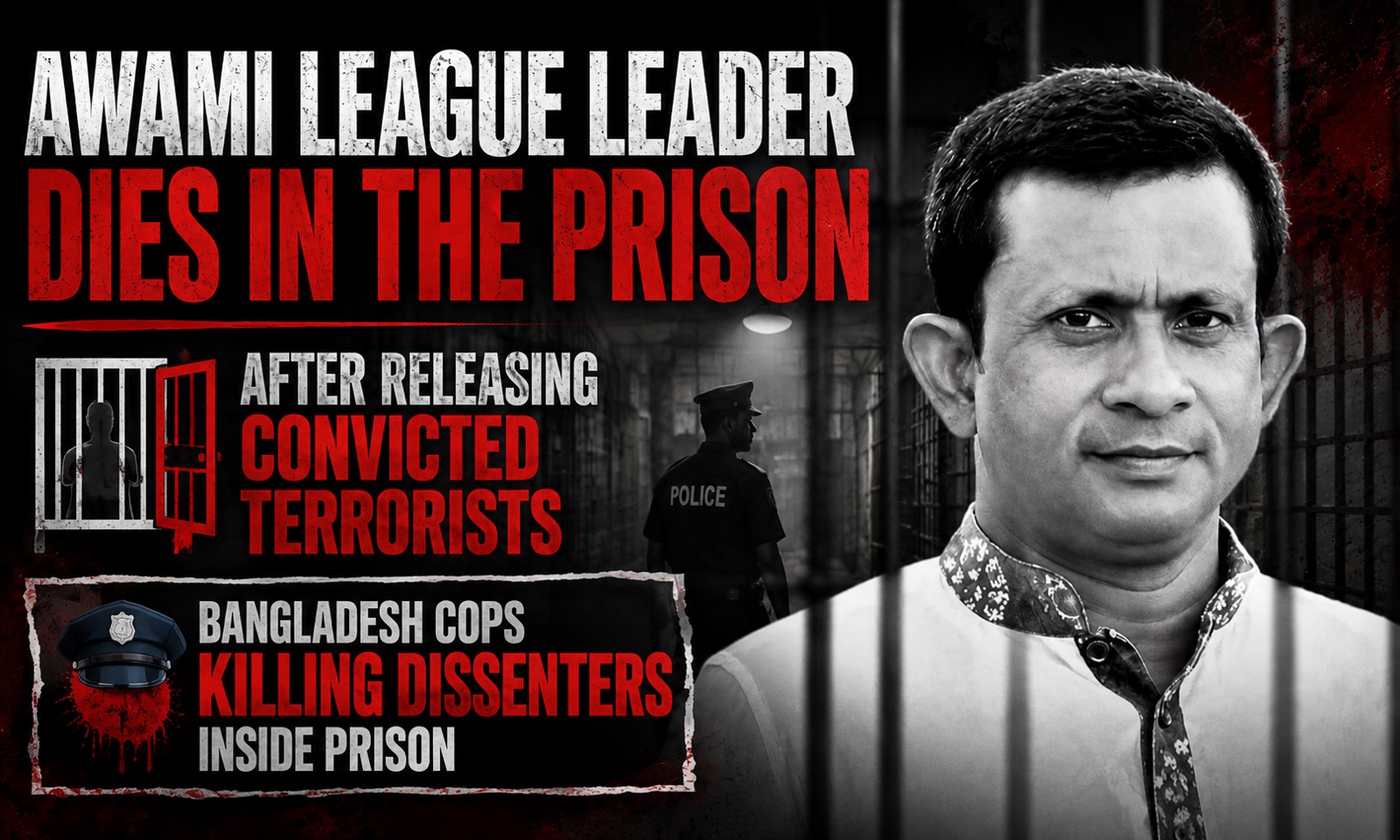
It is now July 2026, and Bangladesh is under the rule of the BNP-Jamaat coalition. During the first six months of the year alone, 61 people have died inside prisons, according to data from ASK (Ain o Salish Kendra). Of those, 37 were undertrial detainees. In other words, these were individuals whose guilt had not been established and who, under the law, were still presumed innocent. Yet they left state custody as corpses. The Dhaka Division alone accounted for 36 deaths, including 19 convicted prisoners and 17 undertrial detainees. The pattern bears a striking resemblance to the prison death toll witnessed during the 2001-2006 period.
This raises concerns that extend beyond allegations of human rights violations. An undertrial detainee is someone whose life is entirely under the responsibility of the state. Until a trial is concluded, the Constitution obligates the state to ensure that person’s safety. Yet reported deaths of undertrial detainees have occurred across every administrative division, including Dhaka, Chattogram, Rajshahi, Khulna, Rangpur, Sylhet, Barishal, and Mymensingh. Critics argue that these deaths create the impression that whether a person is ultimately found guilty or innocent, survival in custody is far from guaranteed. They contend that public commitments to morality and the rule of law ring hollow if individuals die before their cases are decided.
The deaths of 24 convicted prisoners also raise serious questions. A prison sentence does not authorize the state to deprive someone of life. However, the deaths of the 37 undertrial detainees have attracted particular concern because they involve people who had not been convicted of any crime. Questions remain over whether these deaths resulted from violence, abuse, medical negligence, or other causes, while critics say the government has not provided adequate answers. They argue that the situation echoes the controversies surrounding prison conditions during the 2001-2006 period and accuse the authorities of failing to ensure accountability. According to this perspective, the history of BNP-Jamaat governance is not merely repeating itself but doing so under a greater veil of silence.









This work is copyrighted and authorized by the Bangladesh Awami League. You may download, display, print and re-produce this material in unaltered form only (retaining this notice)for your personal, non-commercial use or use within your organization.
