13839
Published on June 6, 2026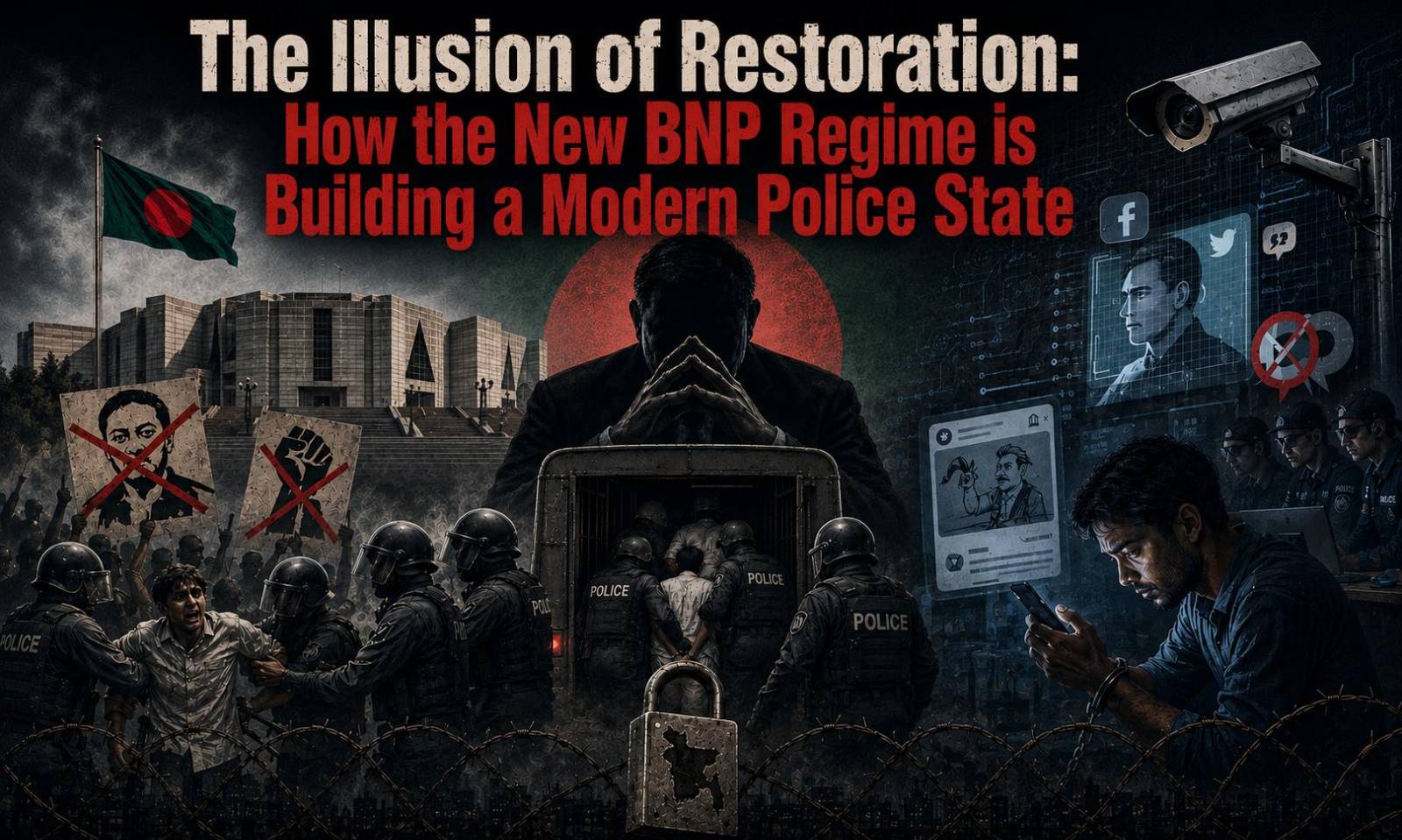
When the Bangladesh Nationalist Party (BNP), led by Tarique Rahman, won the elections in early 2026, they promised a genuine fresh start. After a long period of political uncertainty and intense structural instability, voters were clearly told that the rule of law, political freedom, and free speech would finally be restored as the core pillars of the state.
The BNP government is failing Bangladesh, spectacularly and dangerously
Instead, just months after the February 2026 power transition, a deeply troubling reality is unfolding. Rather than tearing down the tools of government oppression, the newly elected BNP administration has simply taken control of them. Through widespread mass arrests, a fierce crackdown on digital dissent, and the aggressive use of security forces, the regime is turning Bangladesh into a textbook police state. It forces a tough question upon the world: How can a country call itself a democracy when citizens are jailed just for having the wrong political opinions?
In a true democracy, the government cannot just throw you in prison without a solid, legal reason. Yet across Bangladesh's major cities, a massive wave of arbitrary arrests is targeting Awami League leaders, local activists, and anyone seen as a critic. Human rights groups are flagging a scary, consistent pattern: people with no formal criminal complaints, no active warrants, and no pending charges are being picked up from their homes and offices and sent straight to prison.
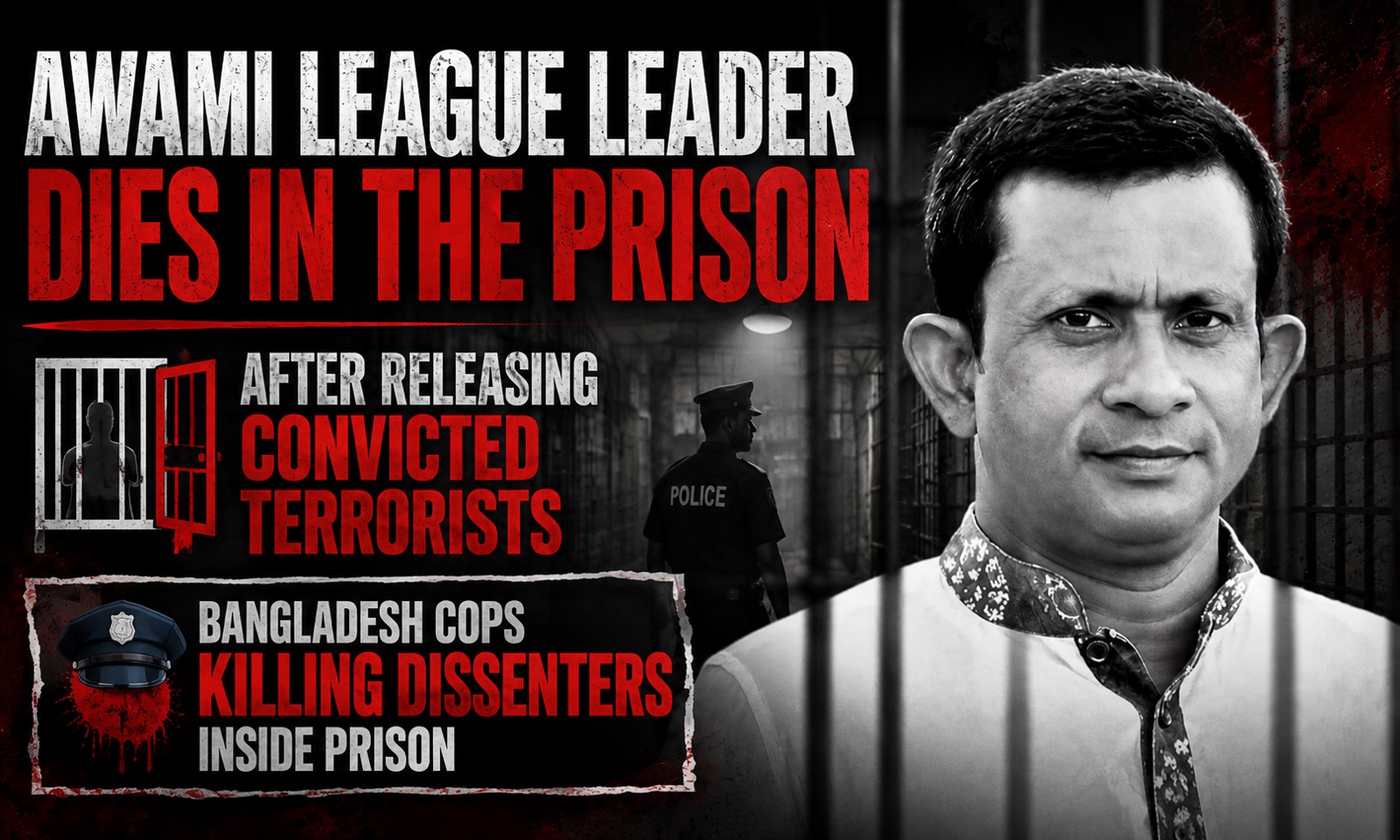
Families speak of arrests lacking specific evidence, prolonged detentions, and alarming reports of custodial deaths. These practices erode public trust and signal a governance style reliant on coercion rather than consent.
Mass Arrests of #AwamiLeague Activists and Supporters Continue Under the BNP Govt
This isn't about real justice or legal accountability; it’s a political purge. By filling prison cells with opposition members purely because of their party ties, the BNP is trying to wipe out the civic space needed for an open society to function. When a government has the power to lock up citizens whenever it wants, the rule of law completely disappears.
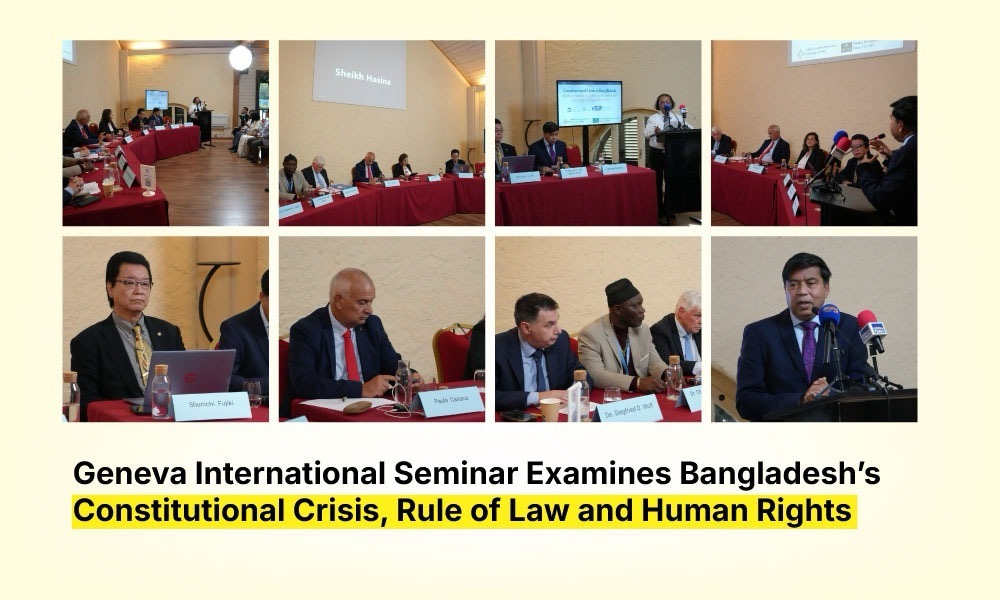
Civic Space Assessment (Mid-2026): International legal panels warn that locking people up without warrants directly violates global human rights agreements, marking a dangerous step backward for freedom in South Asia.
The crackdown isn’t just happening on the streets; it has aggressively moved online. Before taking power, the BNP talked a big game about protecting free speech. But since taking office, they have woven heavy digital surveillance right into their governance style. New cybersecurity laws passed in 2026 give police unprecedented power to monitor, intercept, and control what citizens say online under the excuse of "keeping public order."
New cyber law remains repressive
Bangladesh: 4 Arrested for ‘Insulting’ Government
In April 2026, Human Rights Watch highlighted the arrest of at least four individuals for social media posts critical of the government. One prominent case involved A.M. Hasan Nasim, detained for posting a cartoon referencing a lawmaker’s parliamentary remark. A ruling party activist’s complaint led to a cybersecurity case alleging “online blackmail”—a charge widely viewed as disproportionate and absurd.
When a cartoon becomes a crime
Rights groups have strongly rebuked these actions, noting their chilling effect on free expression. Such arrests misuse laws to punish mere criticism, creating an atmosphere of fear. When a cartoon or a social media post can trigger a midnight raid and criminal charges, the space for open discourse vanishes. The BNP, now in power, is demonstrating an intolerance for dissent that undermines the very democratic principles it claims to uphold.
This is the essence of a police state: security forces deployed to serve ruling party interests, with due process becoming an afterthought. Citizens self-censor, journalists hesitate, and activists retreat. Political pluralism—the lifeblood of democracy—cannot survive under such conditions.
An elected government officially becomes a police state when its security forces stop protecting the public and start protecting the regime from its own people. By weaponizing the police and intelligence units into political tools, the BNP administration has turned major urban hubs like Dhaka, Chittagong, and Khulna into zones of visible psychological intimidation designed to crush peaceful assembly. This aggressive dive into mass detentions and heavy cyber-censorship proves that the Rahman-led government views executive power as a tool for absolute control rather than a mandate to serve.
When citizens cannot voice alternative political opinions without facing immediate state retaliation, any claim that Bangladesh is a functioning democracy becomes a total distortion. True political diversity cannot survive when disagreement is treated as an existential security threat, and a nation cannot maintain a democratic reputation abroad while running an authoritarian dragnet at home. If the international community fails to hold the BNP strictly accountable right now, this fragile system built entirely on surveillance, fear, and institutional silencing will permanently cement itself as an absolute police state.




This work is copyrighted and authorized by the Bangladesh Awami League. You may download, display, print and re-produce this material in unaltered form only (retaining this notice)for your personal, non-commercial use or use within your organization.
