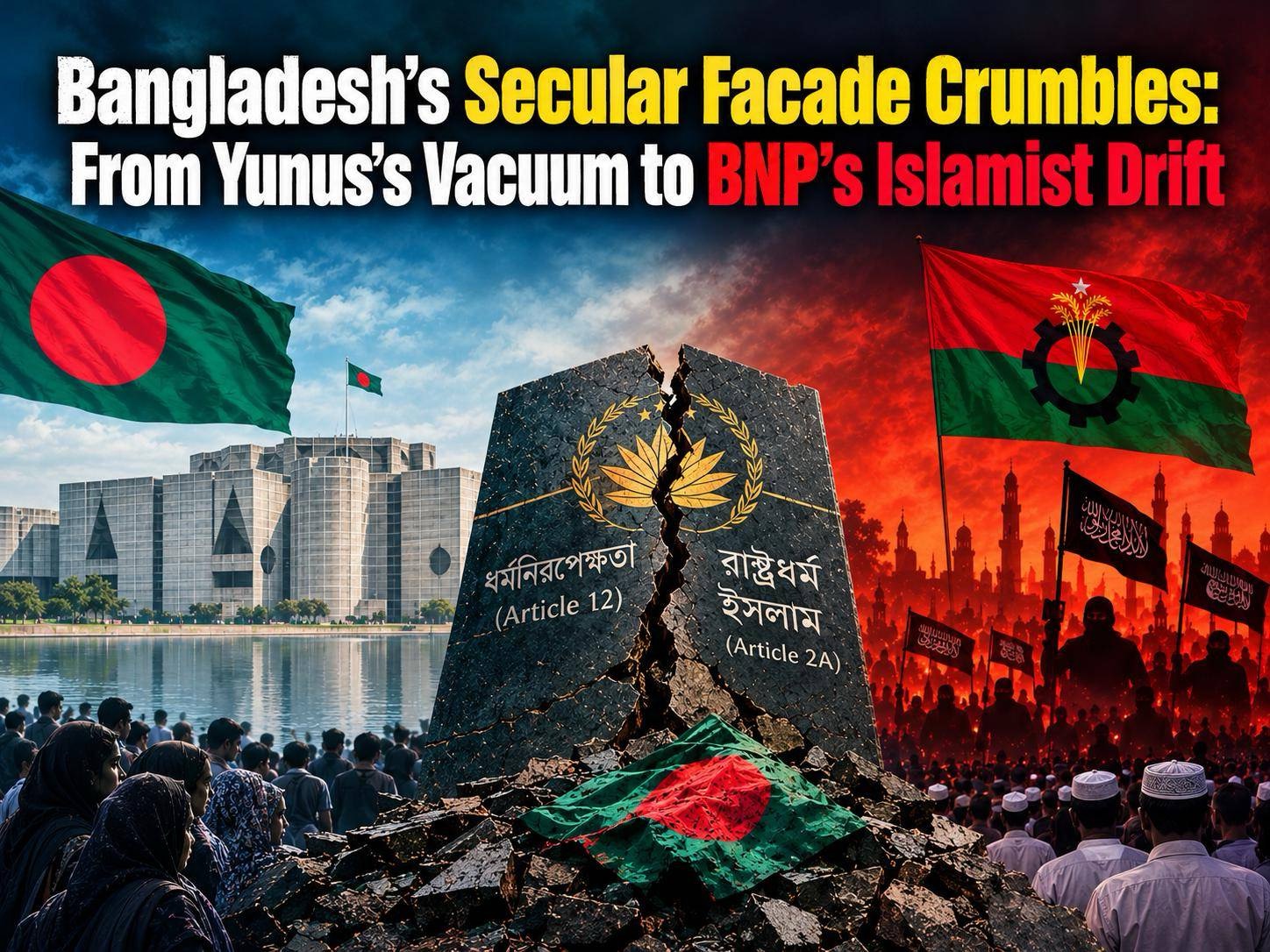
The Yunus-led interim government failed to turn promises of democratic renewal into lasting protection for minorities. Now, the BNP government must prove that religious identity will never matter more than equal citizenship. For decades, international observers lauded Bangladesh as a rare triumph: a Muslim-majority democracy founded on secular ...
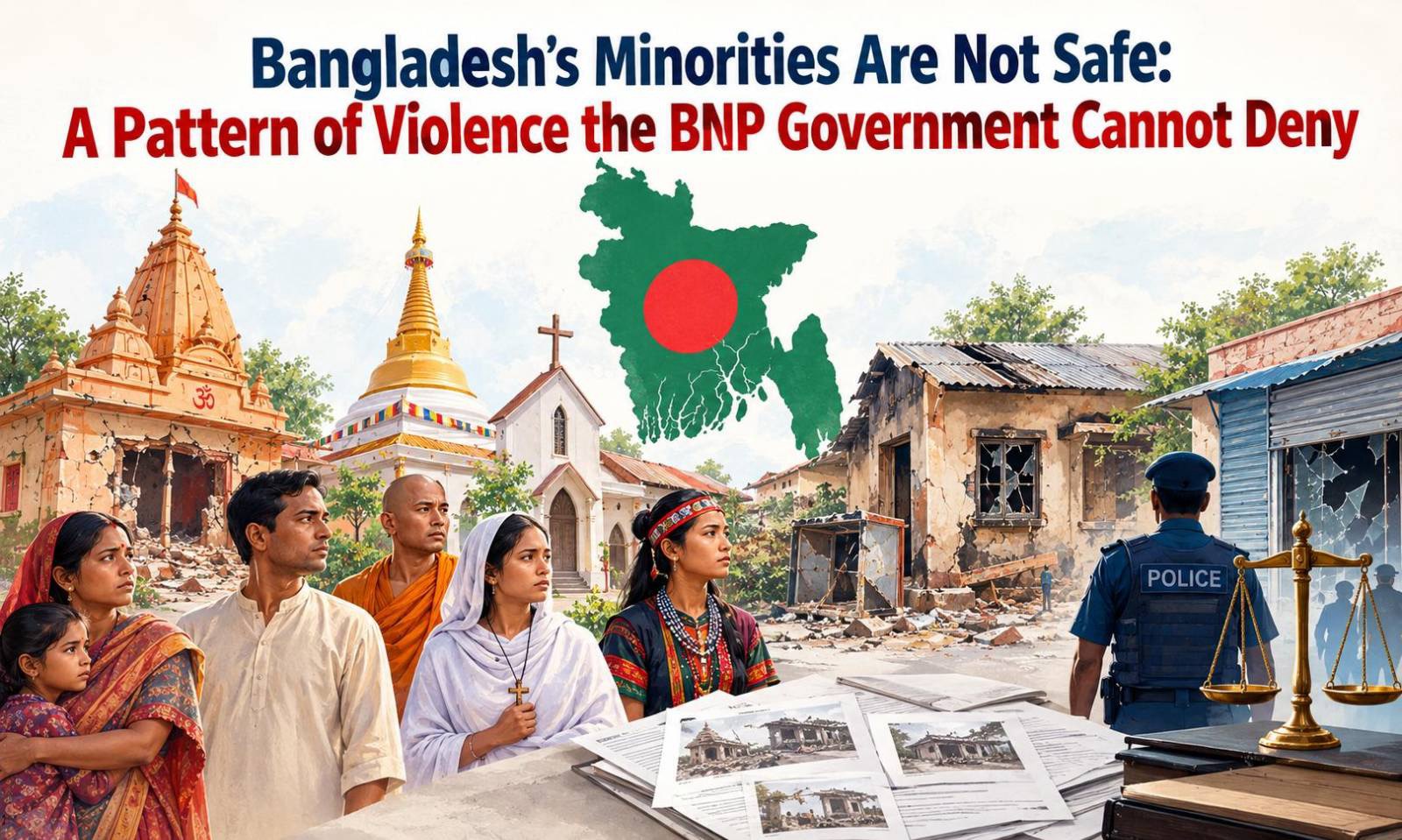
Forty-four reported deaths in six months, attacks on temples and homes, hundreds of alleged violations, and the killing of four members of a Hindu family in Rangpur have intensified fears among Bangladesh’s minorities. For Prime Minister Tarique Rahman’s new government, promises of equality must now be measured against what happens t...
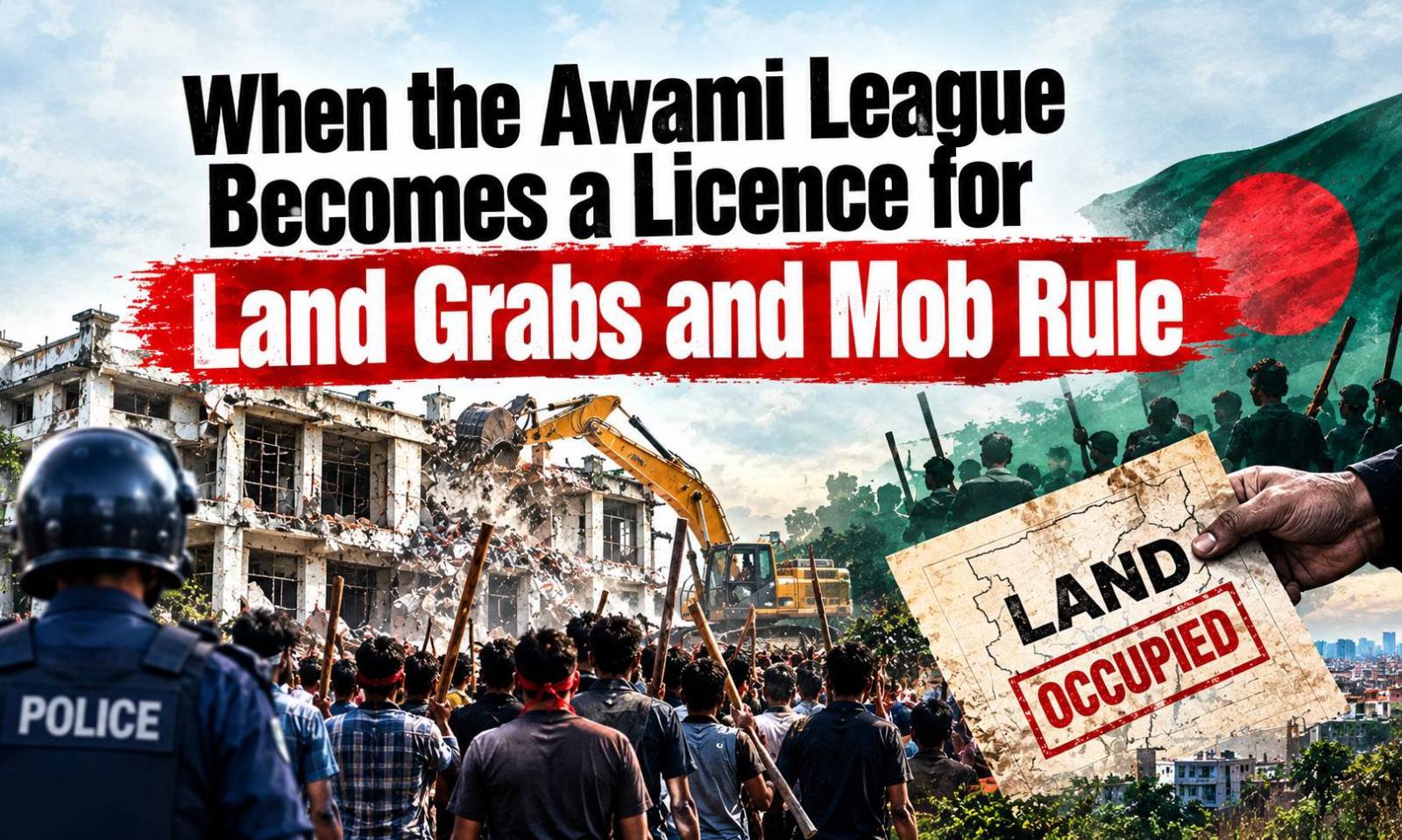
Bangladesh’s recent wave of alleged land grabs, political intimidation, and police inaction raises a question the BNP government cannot evade: who protects citizens when political connections appear to matter more than the law? A chillingly predictable playbook has taken hold across Bangladesh: brand any target an "Awami League oper...
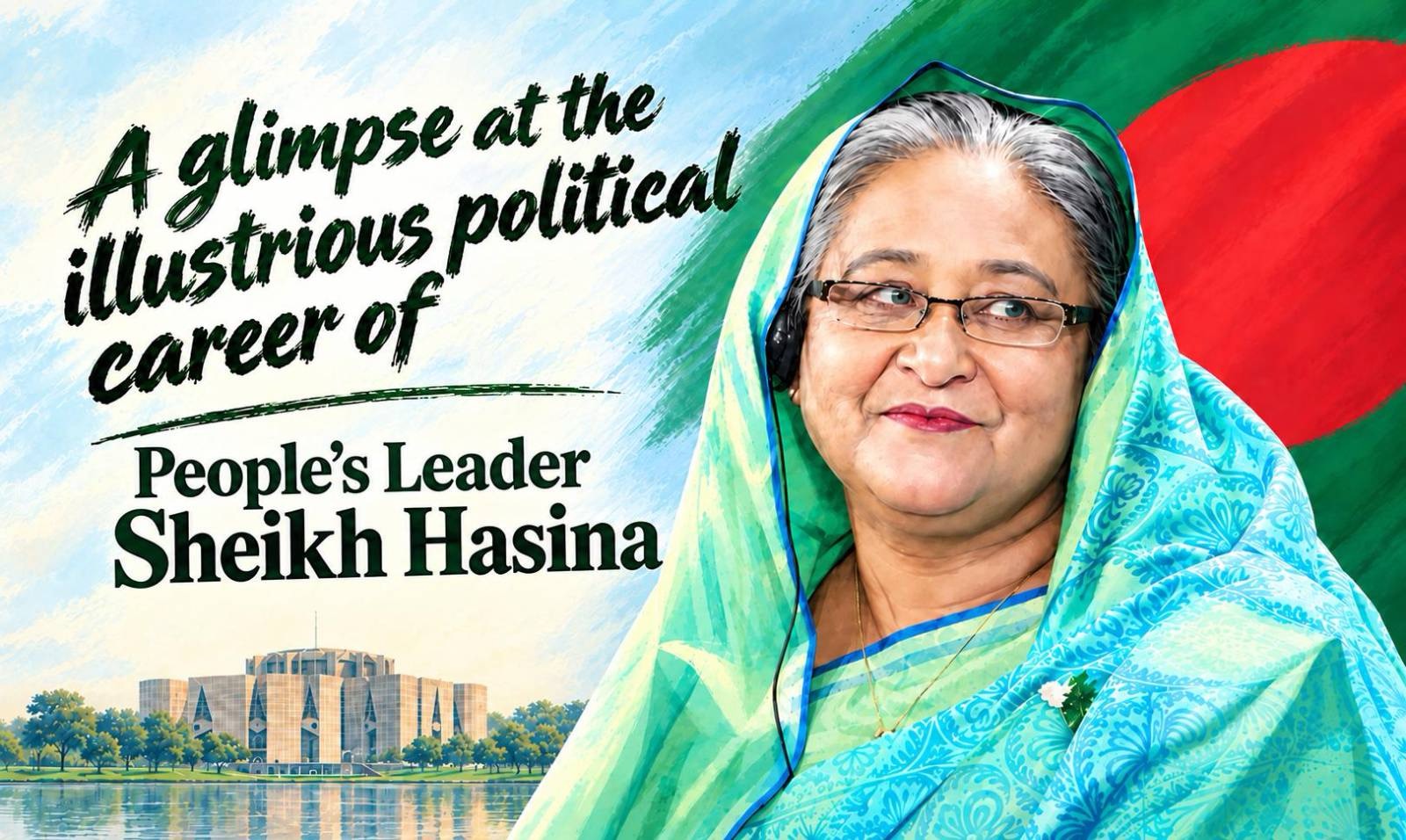
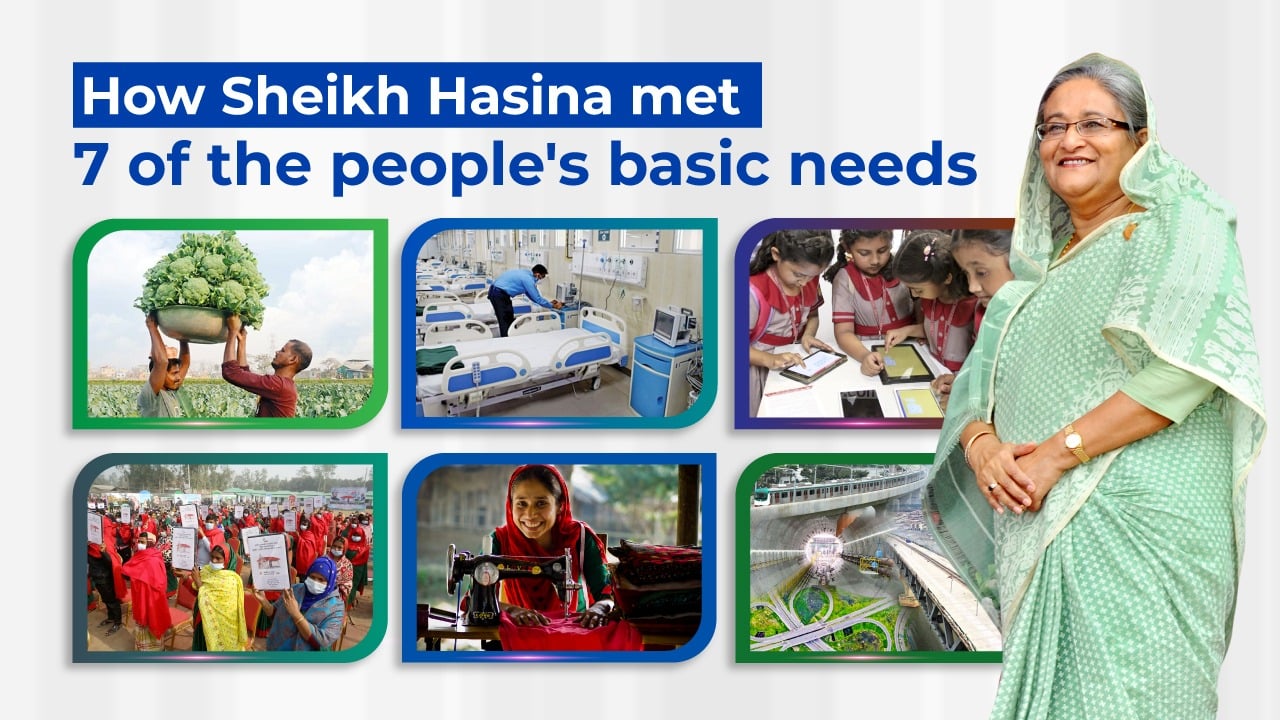
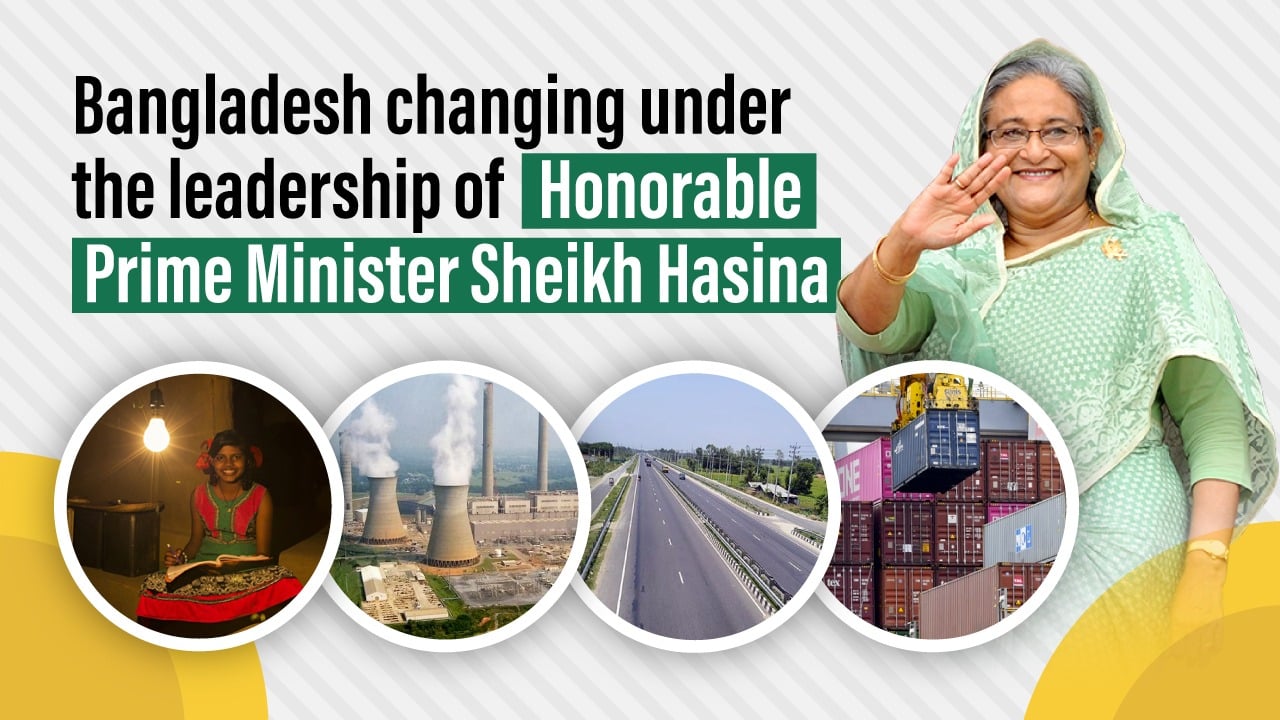
On her birthday, Bangladesh deserves more than political noise and partisan rhetoric. It deserves an honest reckoning with what was built, what has been lost, and what kind of leadership is required to move the country forward. On 28 September, Her Excellency Sheikh Hasina turns 79. Her life story is extraordinary. She survived the assassinati...
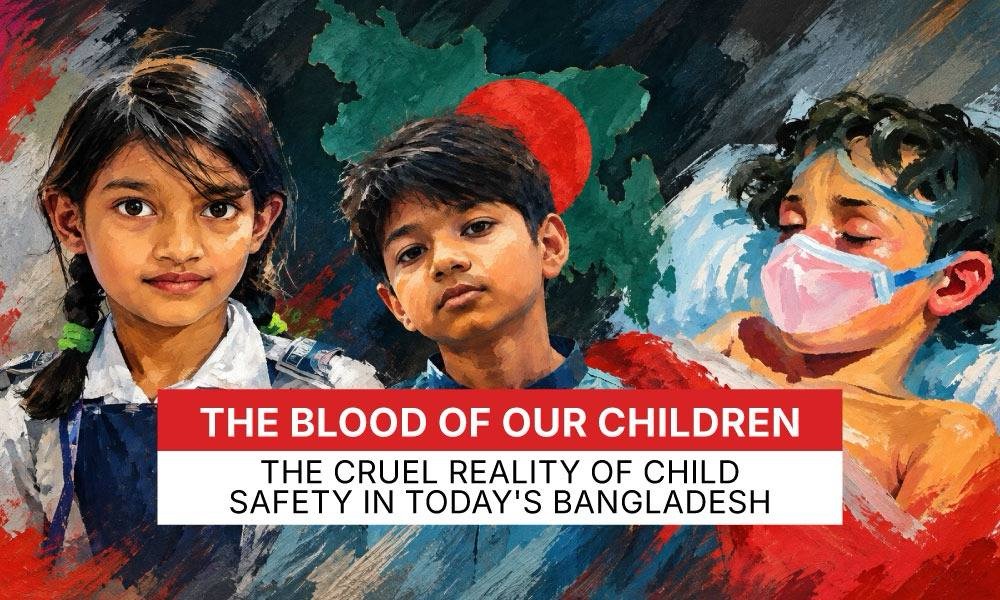
One Oprotim, one Ramisa, or one Asiya alone cannot capture the horrifying reality of child killings in Bangladesh. Under the new BNP government, Bangladesh’s children are not safe anywhere. Not in classrooms. Not in madrasas. Not on playgrounds. Not even inside their own homes. Since this administration ...
This work is copyrighted and authorized by the Bangladesh Awami League. You may download, display, print and re-produce this material in unaltered form only (retaining this notice)for your personal, non-commercial use or use within your organization.