153
Published on November 8, 2026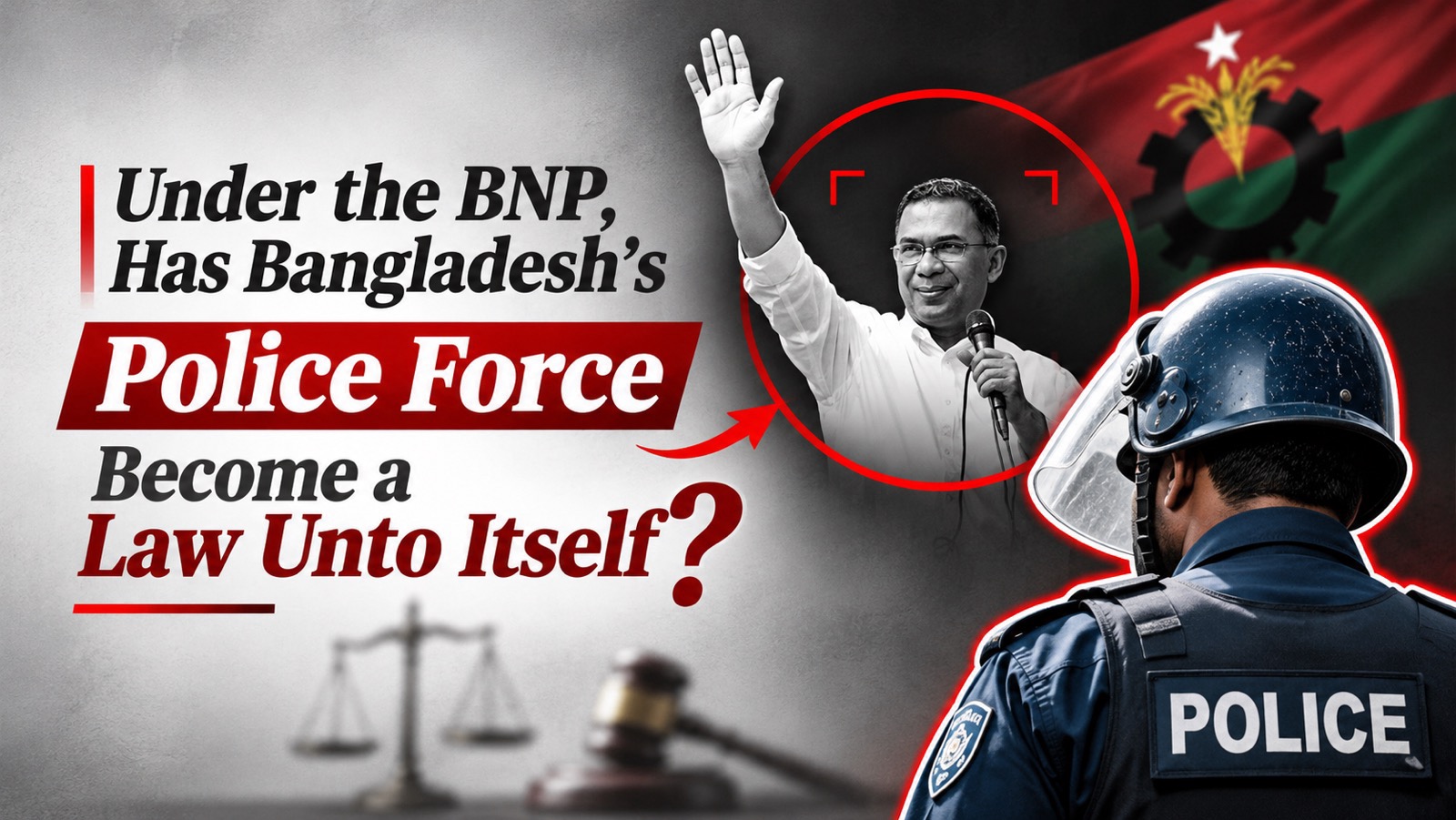
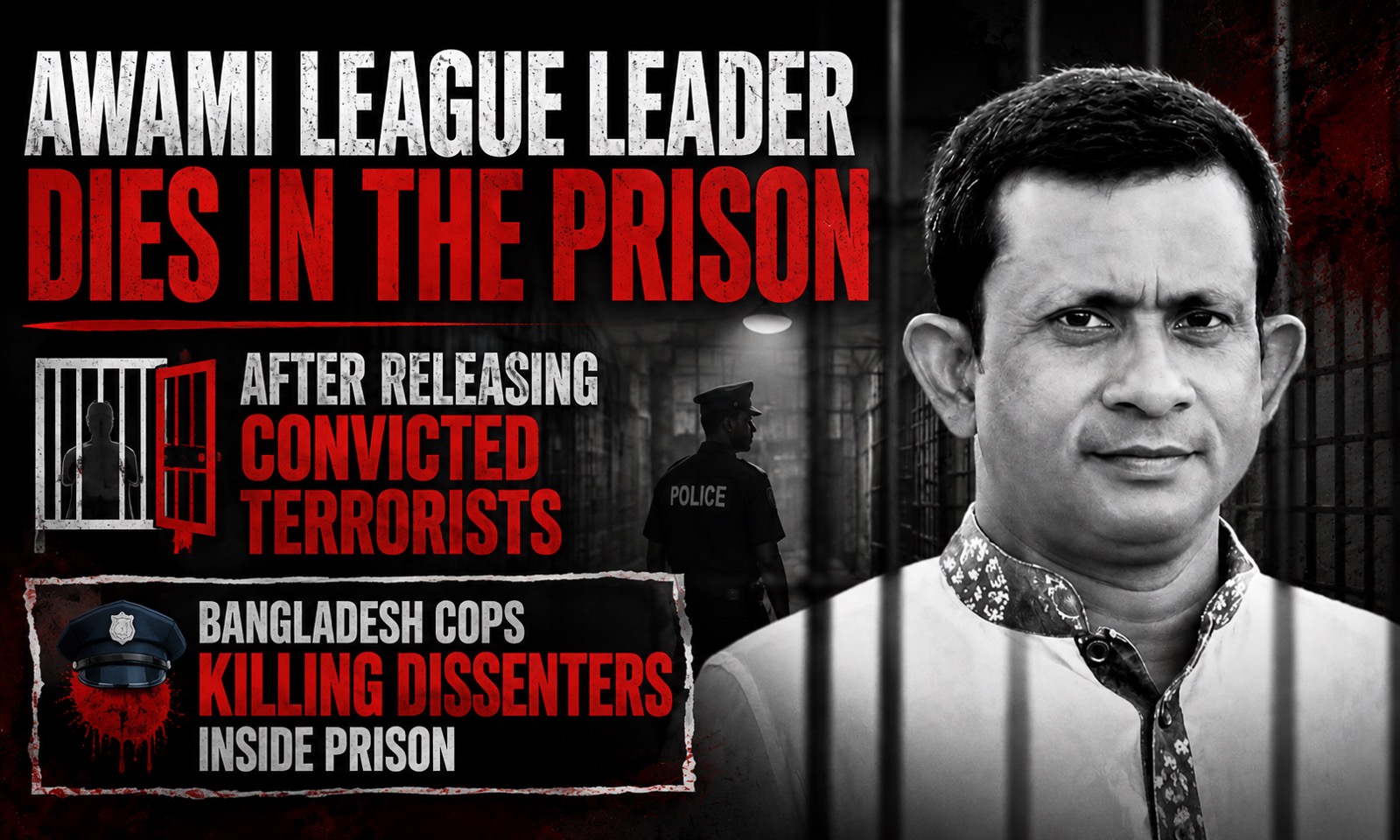
Bangladesh’s police force exists to protect citizens, uphold the law, and safeguard constitutional rights. Yet, throughout 2026, a disturbing series of incidents has raised serious questions about whether sections of the force are increasingly operating beyond meaningful accountability. From alleged arbitrary arrests and custodial torture to assaults on journalists, violent dispersal of protesters, and deaths in police custody, the allegations paint a deeply troubling picture of law enforcement under the newly elected Bangladesh Nationalist Party (BNP) government.
The change of political leadership was supposed to offer an opportunity to rebuild institutions and restore public confidence. Instead, reports of police misconduct are testing the government's commitment to those promises. A government cannot claim to uphold the rule of law while failing to ensure that those entrusted with enforcing it are themselves subject to the law.
What Is Behind Bangladesh’s Continuing Law and Order Crisis?
The incidents reported during 2026 are not isolated concerns that can simply be dismissed as operational mistakes. They involve multiple forms of alleged human rights violations, affecting detainees, political activists, journalists, students, workers, and ordinary citizens.
According to the Human Rights Support Society (HRSS), its January–September 2026 monitoring report recorded:
17+ deaths involving law enforcement, including deaths in custody, torture, shootings and alleged gunfights.
12 deaths involving custody or torture.
3 deaths described as gunfights.
95+ deaths in prison custody, including 55 undertrial detainees.
5,644+ arrests of political leaders and activists.
518+ journalists reportedly tortured or harassed, a 52% increase compared with 340 in 2025.
The pattern is not subtle. In late October and early November 2026, garment workers protesting for wages and rights in Ashulia, Mirpur, Gazipur, Narayanganj, and surrounding industrial areas faced baton charges, tear gas, sound grenades, and rubber bullets. Rights monitors documented at least one death, more than 210 injuries, over 216 arrests, and criminal cases naming nearly 20,000 people. A three-month-old infant lost consciousness from tear gas. Videos circulated of unarmed workers and bystanders being thrown to the ground and beaten.
BNP Government’s Brutal Crackdown on Garment Workers’ Protests in Bangladesh
These were not isolated excesses. They were the visible face of a force that still treats dissent as a public-order problem to be crushed rather than a right to be managed.
IGP's 'crossfire' remarks raise questions about police accountability and the rule of law
At the same time, the Inspector General of Police publicly stated that officers would resort to “crossfire” if the government permitted it. The remark was later walked back by ministers, but the damage was done. “Crossfire” is not a technical term in Bangladesh; it is a historical euphemism for extrajudicial killing.
Death by Law Enforcement Agencies Jan-Sep 2026
Custodial abuse continues in parallel. Families still allege that detainees emerge with injuries or do not emerge at all. Investigations into torture and deaths in custody remain largely internal, allowing the police to investigate themselves, an arrangement rights lawyers have repeatedly called untenable. New legislation passed in 2026 further weakened oversight mechanisms that the interim government had briefly strengthened, reducing the National Human Rights Commission’s ability to scrutinize security forces and effectively renaming rather than reforming the Rapid Action Battalion. Human Rights Watch warned that these changes risked reversing hard-won safeguards against enforced disappearances and extrajudicial killings.
Cases of custodial torture, deaths: ‘Cops shouldn’t probe themselves’
The political context makes the problem more dangerous. After the 2024 uprising and the subsequent transition, public trust in the police was already fragile. Hundreds of stations had been attacked; many officers had fled or been sidelined. Instead of using the political opening to impose strict civilian control and independent accountability, the BNP government has allowed the force to reassert old habits. Political opponents, particularly those linked to the banned Chhatra League and Awami League networks, report selective arrests, harassment, and thuggish methods. Local complaints about specific officers, such as allegations of torture and attempted strangulation leveled against the Chakaria thana OC, fit a broader pattern of officers acting with little fear of consequence.
This is not merely a policing failure. It is a failure of democratic oversight. A government that campaigned against the previous regime’s repression cannot now treat the police as an autonomous power center. When the highest-ranking police officer can float the idea of crossfire killings and when industrial workers can be met with live force for demanding wages, the message is clear: the khaki uniform still confers a measure of impunity.
The khaki uniform was never meant to be a license. In 2026, too many officers appear to treat it as one. That must end.

This work is copyrighted and authorized by the Bangladesh Awami League. You may download, display, print and re-produce this material in unaltered form only (retaining this notice)for your personal, non-commercial use or use within your organization.
