1168
Published on September 28, 2026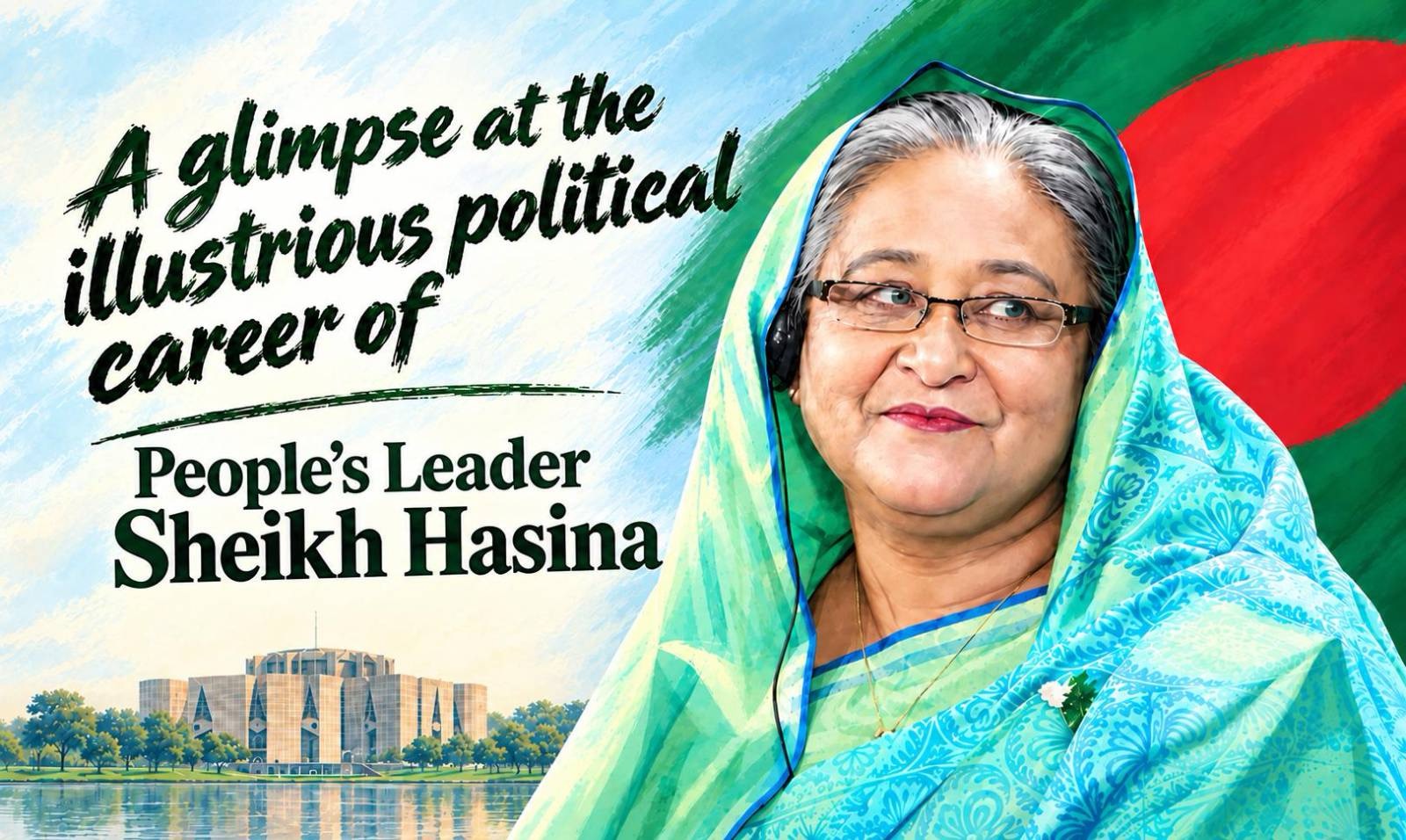
On her birthday, Bangladesh deserves more than political noise and partisan rhetoric. It deserves an honest reckoning with what was built, what has been lost, and what kind of leadership is required to move the country forward.
On 28 September, Her Excellency Sheikh Hasina turns 79.
Her life story is extraordinary. She survived the assassination of almost her entire family in 1975, endured years of exile and house arrest, and survived repeated attempts on her life. Yet perhaps the most remarkable part of her story is not simply that she survived; it is what she accomplished after surviving.
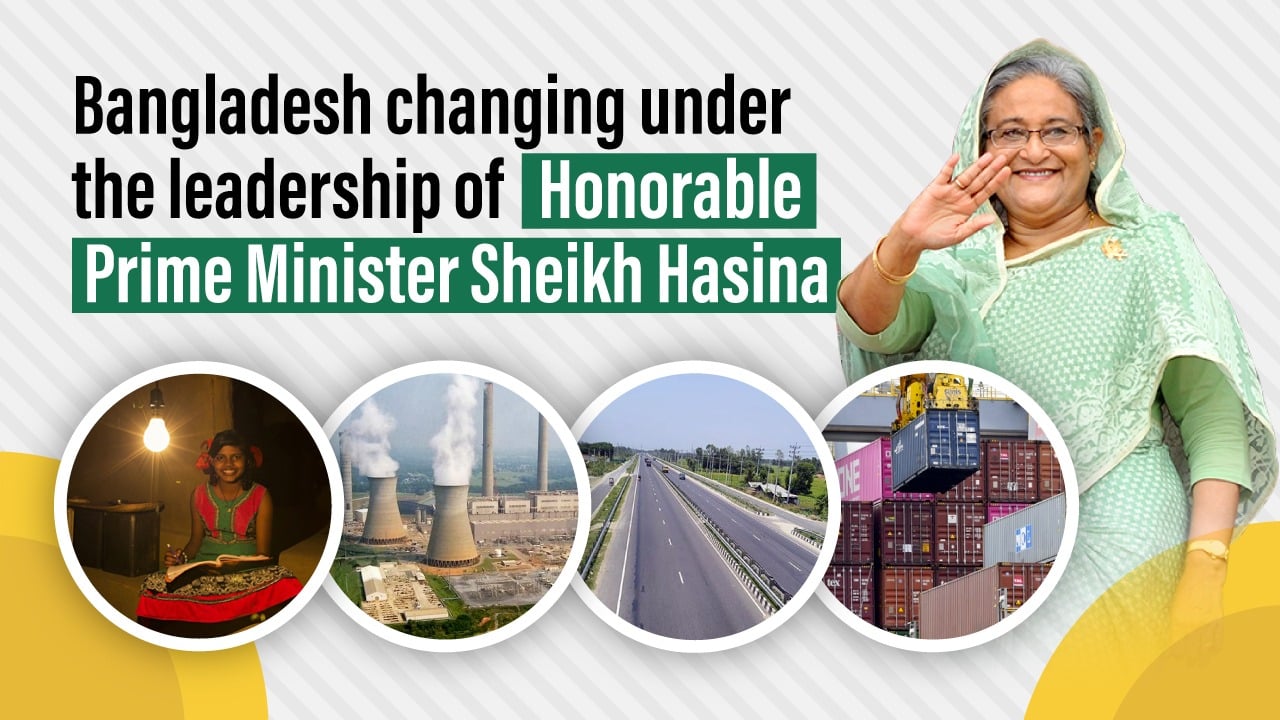
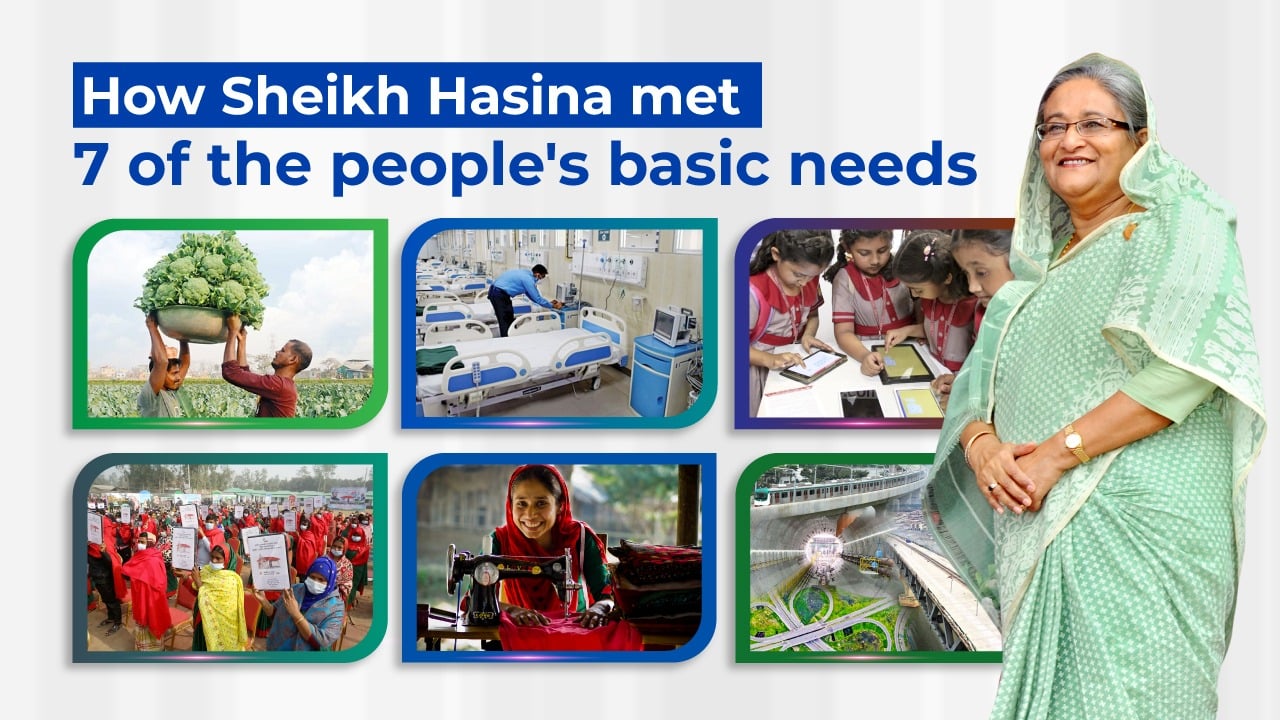
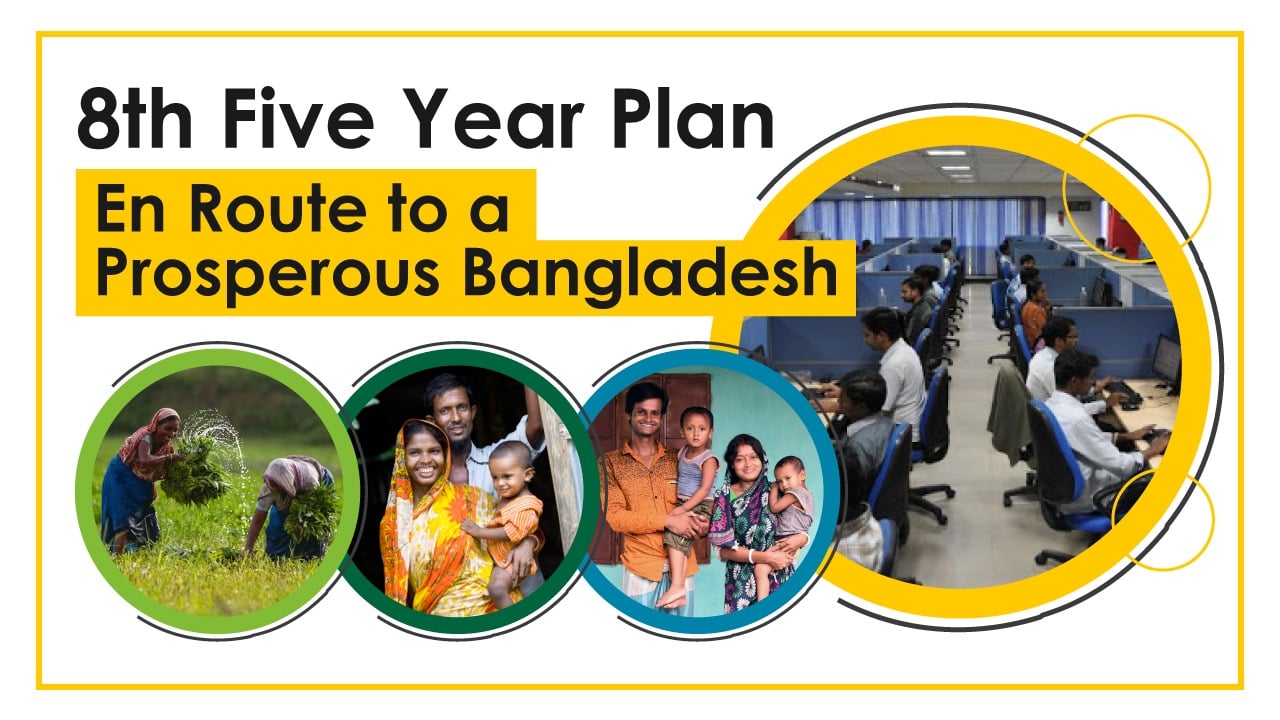
When Sheikh Hasina returned to power in 2009, Bangladesh faced enormous economic and infrastructural challenges. What followed was fifteen years of sustained transformation. Under her leadership, Bangladesh emerged from the ranks of low-income countries, achieved Lower-Middle Income status, and maintained average economic growth of more than 6% for roughly a decade and a half.
Her government pursued projects that had long been dismissed as unrealistic. The $3.6 billion Padma Bridge was completed with Bangladesh’s own financing. Dhaka Metro Rail changed the possibilities of urban transportation. The Karnaphuli River Tunnel opened a new chapter in connectivity, while the Rooppur Nuclear Power Plant represented an ambitious step toward meeting the country’s future energy needs.
But Sheikh Hasina’s legacy cannot be measured only in concrete and steel. Her vision of “Digital Bangladesh” helped expand digital connectivity and foster a rapidly growing technology and services ecosystem. Her broader development agenda sought to move Bangladesh from survival to ambition, from a country struggling to overcome poverty to one aspiring to become a modern, prosperous economy.
That progress makes the political upheaval since 5 August 2024 all the more consequential.
The period that followed has been marked by institutional disruption, deterioration in law and order, economic uncertainty, and growing questions about Bangladesh’s direction. The subsequent BNP-led government has inherited these challenges but has yet to convince many observers that it possesses a coherent roadmap capable of restoring the momentum Bangladesh once enjoyed.
This is why Sheikh Hasina’s birthday should also be an occasion to reflect on leadership.
The debate surrounding Bangladesh today is not simply about one political personality. It is about whether the country will return to a trajectory of economic expansion, infrastructure development, institutional capacity and international confidence or continue to drift amid political instability and uncertainty.
Sheikh Hasina’s vision of “Smart Bangladesh” by 2041 represented a clear national ambition: a Bangladesh that is technologically advanced, economically prosperous and capable of competing confidently with the world.
Whether one agrees with every decision of her government or not, it is difficult to dismiss the scale of the transformation Bangladesh experienced during her tenure. The infrastructure, economic gains and development achievements of those fifteen years are tangible parts of the country’s recent history.
Today, as Bangladesh searches for stability and a credible path forward, that record matters.
At 79, Sheikh Hasina remains a symbol of resilience, political endurance and national ambition. Her return would not simply represent the return of an individual politician. For her supporters, it would represent the possibility of restoring the development trajectory, democratic institutions and sense of national purpose that defined Bangladesh’s previous era of progress.
On her birthday, therefore, the question is not merely what Sheikh Hasina has achieved.
It is whether Bangladesh is prepared to reclaim the ambition that she helped instill and once again pursue the vision of a prosperous, secure and modern nation.




This work is copyrighted and authorized by the Bangladesh Awami League. You may download, display, print and re-produce this material in unaltered form only (retaining this notice)for your personal, non-commercial use or use within your organization.
