31271
Published on August 2, 2026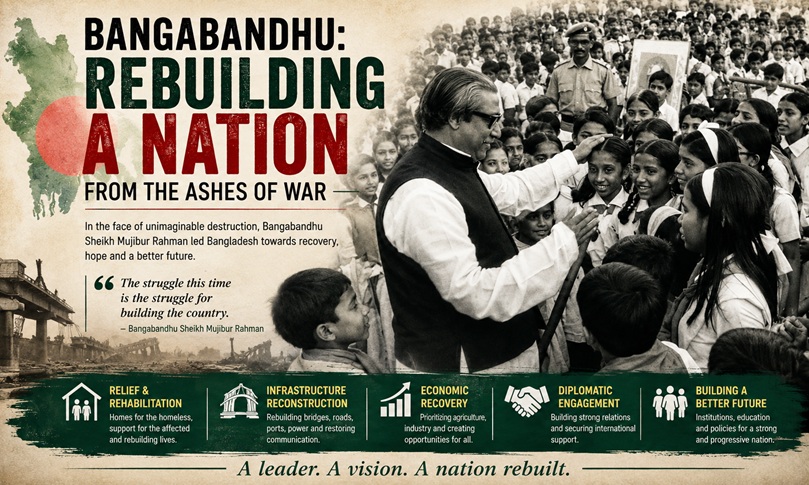
When Bangladesh emerged victorious in the Liberation War in December 1971, independence came at an enormous cost. The country had secured its sovereignty, but its infrastructure lay in ruins, its economy was crippled, and millions of people had been displaced by months of devastating conflict.
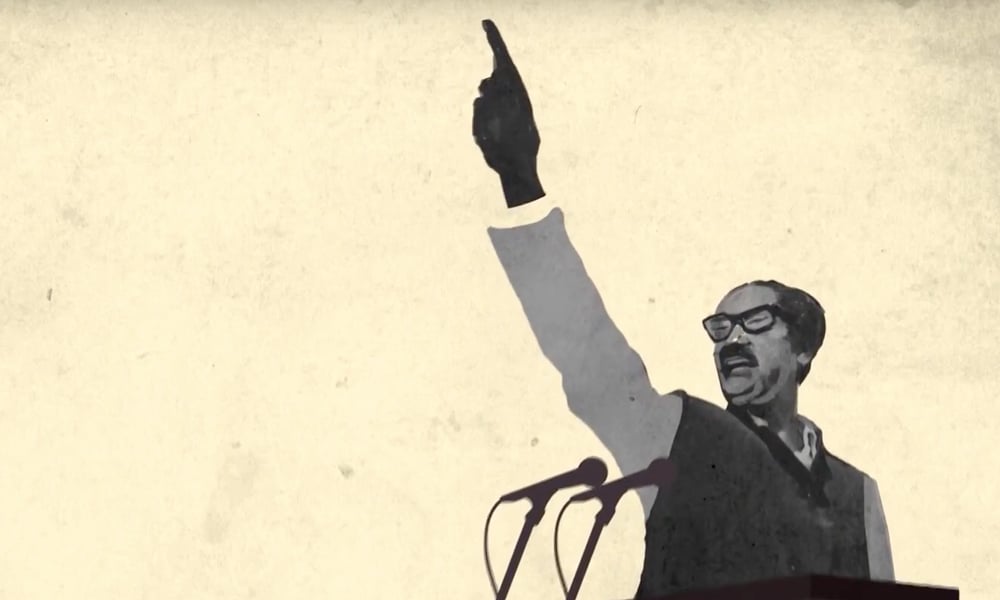
It was into this environment that the Father of the Nation, Bangabandhu Sheikh Mujibur Rahman, returned on January 10, 1972, after being released from a Pakistani prison. While his return symbolized the fulfillment of Bangladesh's struggle for independence, it also marked the beginning of another monumental task - rebuilding a nation devastated by war.
The destruction inherited by the newly independent government was unprecedented. According to official accounts published in the aftermath of the Liberation War, more than 300 railway bridges and over 300 road bridges had been destroyed. Chattogram Port, the country's principal seaport, had been rendered inoperable after 29 ships were deliberately sunk at its entrance. Retreating Pakistani forces also planted mines throughout the port channel, making navigation impossible even after the war had ended.
The country's financial condition was equally dire. Before surrendering, the Pakistani administration reportedly destroyed the central bank's cash reserves and gold stocks, while industrialists from West Pakistan transferred substantial financial assets out of Bangladesh. Agricultural production had collapsed, industries had ceased functioning, and transportation networks were severely damaged.
In addition to physical destruction, Bangladesh faced pressing humanitarian challenges. Millions of refugees and war-affected families required food, shelter, healthcare, and opportunities to rebuild their lives.
Recognizing the urgency of the situation, Bangabandhu placed relief and rehabilitation at the center of the government's agenda. Restoring normal life became an immediate national priority.
The government initiated plans to construct approximately 166,000 homes for freedom fighters, women, children, and families who had lost everything during the Liberation War. Special financial allocations were made to provide housing for the homeless and support vulnerable communities.
These initiatives reflected an understanding that national reconstruction extended beyond rebuilding physical infrastructure—it also required restoring dignity, security, and hope to the people.
Bangladesh's first national budget, announced in 1972, was designed to support reconstruction while laying the foundation for long-term economic growth.
Agriculture received the largest share of government expenditure, reflecting its importance to both food security and employment. Education and social welfare were also prioritized as essential sectors for rebuilding society.
The government abolished duties on fertilizer and baby food while reducing taxes on cotton yarn, water pumps, and cotton fabrics. These measures were intended to support agricultural production, encourage industrial recovery, and reduce the cost of essential goods for ordinary citizens.
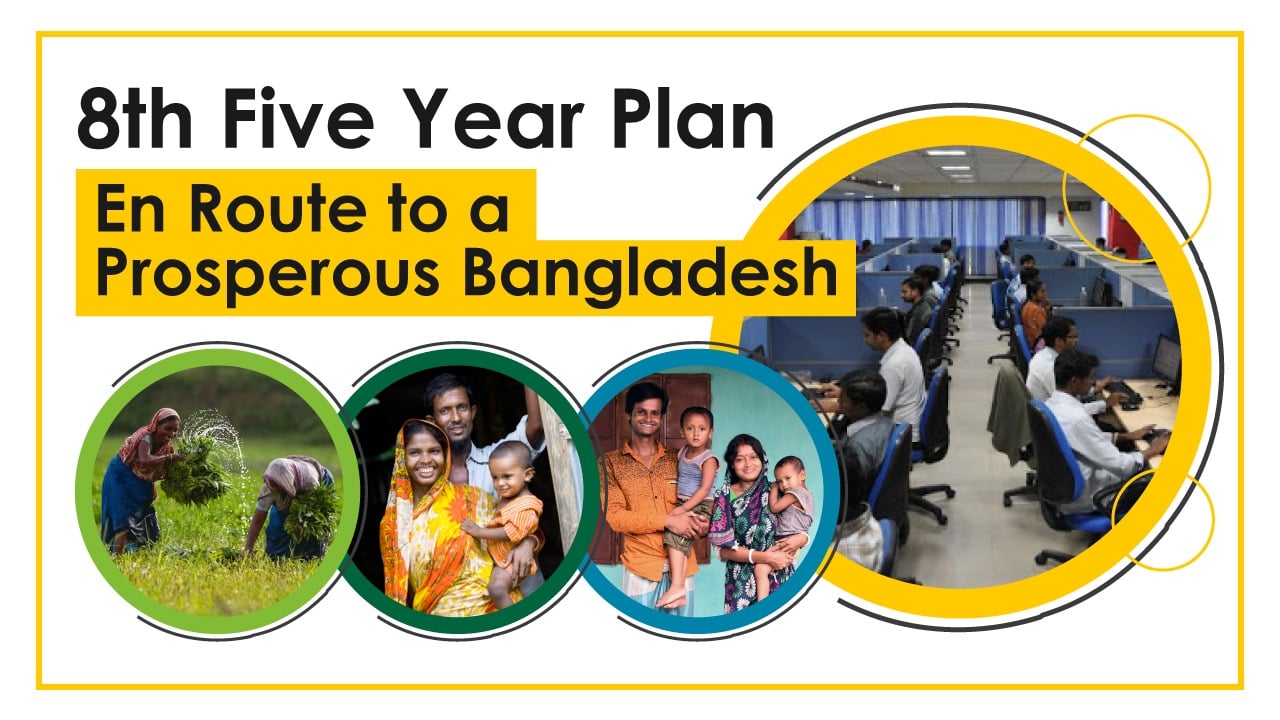
The following year, Bangladesh introduced its first Five-Year Plan with an allocation of Tk 44.55 billion. The plan outlined long-term development priorities and established a framework for rebuilding the national economy.
Reconstruction of the country's infrastructure became another central objective of the Bangabandhu government.
Efforts were launched to restore roads, railways, bridges, electricity generation facilities, and telecommunications networks. Major infrastructure projects included the reconstruction of the Hardinge Bridge, the Teesta Railway Bridge, and the Bhairab Railway Bridge, restoring critical transport links across the country.
At Chattogram Port, extensive operations removed mines and sunken vessels, allowing maritime trade to resume.
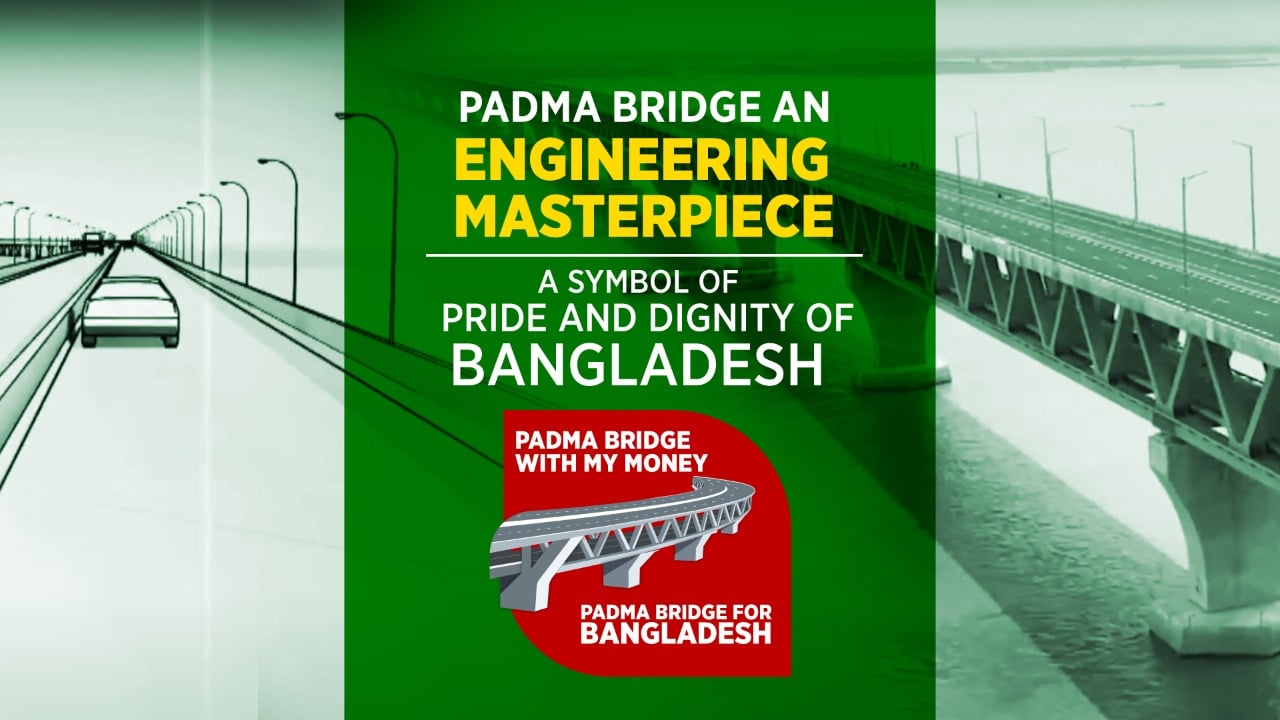
Bangabandhu also initiated the process of constructing a bridge over the Jamuna River - an ambitious vision that reflected the government's long-term commitment to improving national connectivity.
The post-war reconstruction strategy extended beyond physical rebuilding. Bangabandhu's government sought to establish institutions capable of supporting Bangladesh's long-term scientific, industrial, and agricultural development.
During this period, the Bangladesh Atomic Energy Commission, the Bangladesh Council of Scientific and Industrial Research, the Industrial Development Finance Institution, and the Bangladesh Agricultural Research Council were established.
Long-term industrial financing policies were introduced, while investors gained access to working capital loans and equity support designed to stimulate industrial production and private investment.
Many of these institutions continue to contribute to Bangladesh's development decades later.
Diplomatic recognition was another critical priority during Bangladesh's early years.
Within a short period, the new government established diplomatic relations with countries across the world and secured international assistance for reconstruction.
The United Nations announced significant financial support for rebuilding the war-ravaged nation, while India provided substantial relief and rehabilitation assistance during Bangladesh's earliest period of independence.
International observers also acknowledged the government's efforts. Contemporary reports from international organizations praised Bangladesh's progress in restoring public administration and maintaining orderly governance despite the enormous challenges confronting the country.
The years immediately following Bangladesh's independence were among the most difficult in the country's history. The government faced widespread destruction, economic collapse, humanitarian crises, and the enormous task of establishing functioning state institutions.
Bangabandhu Sheikh Mujibur Rahman's administration responded by prioritizing relief, reconstruction, institutional development, economic recovery, and international engagement. Through infrastructure rebuilding, social rehabilitation, policy reforms, and diplomatic outreach, the government sought to transform a war-ravaged territory into a functioning independent state.
The reconstruction of Bangladesh after 1971 remains one of the defining chapters in the country's history. It illustrates not only the scale of the challenges facing the newly independent nation but also the ambitious efforts undertaken to rebuild its economy, institutions, and society in the aftermath of war.





This work is copyrighted and authorized by the Bangladesh Awami League. You may download, display, print and re-produce this material in unaltered form only (retaining this notice)for your personal, non-commercial use or use within your organization.
