21019
Published on April 9, 2026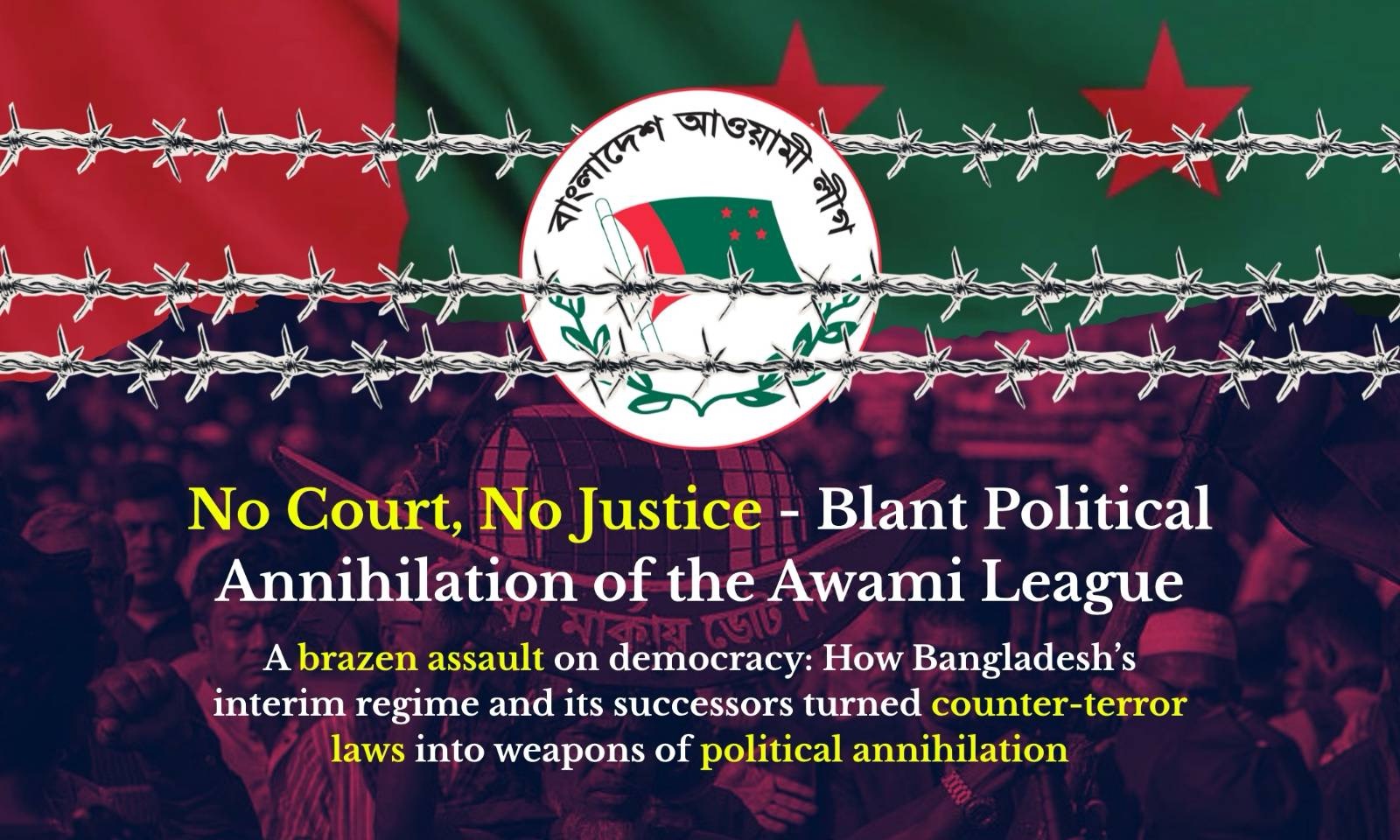
A brazen assault on democracy: How Bangladesh’s interim regime and its successors turned counter-terror laws into weapons of political annihilation
The world is witnessing a slow-motion demolition of democracy in Bangladesh. In May 2025, the unelected interim administration led by Dr. Muhammad Yunus issued an executive decree that banned the Bangladesh Awami League, the party that heroically led the nation’s 1971 Liberation War, along with its affiliated organizations. All political activity, public meetings, publications, social media content, and even “any publicity” in support of the party were criminalised overnight. The Election Commission dutifully cancelled the party’s registration, barring it from the February 2026 general election.
This was not law. This was a political assassination by executive fiat.
The United Nations Special Procedures, in their official communication AL BGD 6/2025 dated 29 December 2025, delivered a devastating verdict: the measures impose “unnecessary and disproportionate restrictions” on fundamental rights and violate Bangladesh’s binding obligations under the International Covenant on Civil and Political Rights (ICCPR), which Bangladesh ratified in 2000. Yet the interim regime, and the BNP-led government that followed the flawed February 2026 elections, doubled down. A parliamentary committee has now recommended converting the illegal 2025 Anti-Terrorism Ordinance into permanent law, with only cosmetic modifications.
The globe must know: this is not justice. It is revenge dressed up as counter-terrorism, a fascist-style purge of the country’s largest and most historic political force.
The ban on the Awami League and its affiliates was not the product of careful judicial scrutiny or constitutional procedure. It was a blunt executive decree, rammed through via two hastily drafted ordinances in May 2025, bypassing every safeguard designed to protect political pluralism.
Key domestic legal safeguards that were ignored:
Political Parties Ordinance 1978: Under the Political Parties Ordinance 1978, Bangladesh’s primary statute governing the formation, regulation, and potential dissolution of political parties, any move to ban a party requires a formal referral by the government to the High Court Division of the Supreme Court. The party must be given a hearing. Only if the Court finds that the party has acted “prejudicial to the sovereignty, integrity or security of Bangladesh,” maintained secret armed groups, or violated other explicit prohibitions can it be dissolved, with its assets forfeited.
Standard Dissolution Process: Temporary suspension is possible pending the Court’s decision, but only through a published Gazette order and subject to judicial oversight. This framework enshrines the principle that political parties, especially one as deeply rooted in the nation’s founding as the Awami League, cannot be erased by executive whim.
The interim government under Dr. Muhammad Yunus chose to ignore this entirely. Instead, his government chose a shortcut:
Anti-Terrorism (Amendment) Ordinance 2025 (gazetted 12 May): This ordinance expanded the Anti-Terrorism Act 2009 by granting authorities sweeping powers to suspend or prohibit all activities, physical, digital, or expressive, of any person or entity already under action, without formal terrorist designation. It imposed a blanket ban on publicity, including media statements, social posts, gatherings, and demonstrations. Additional measures included travel restrictions and mandatory financial disclosures. On 12 May 2025, these powers were applied to the Awami League, halting its activities pending proceedings before the International Crimes Tribunal, while the Election Commission revoked its registration for the 2026 elections.
International Crimes (Tribunals) Act Amendment (Section 20B): Amendments to the International Crimes (Tribunals) Act 1973 inserted Section 20B, empowering the Tribunal, originally established for 1971 war crimes, to suspend, prohibit, or dissolve any “organisation” (explicitly including political parties and affiliates) and confiscate its property if it “aided, incited, abetted or otherwise facilitated” international crimes. The definition of “organisation” was broadened to encompass any entity “subordinate to, or affiliated to, or associated with” a party. These changes were not subjected to parliamentary debate, public consultation, or meaningful judicial review. They were executive decrees, pure and simple.
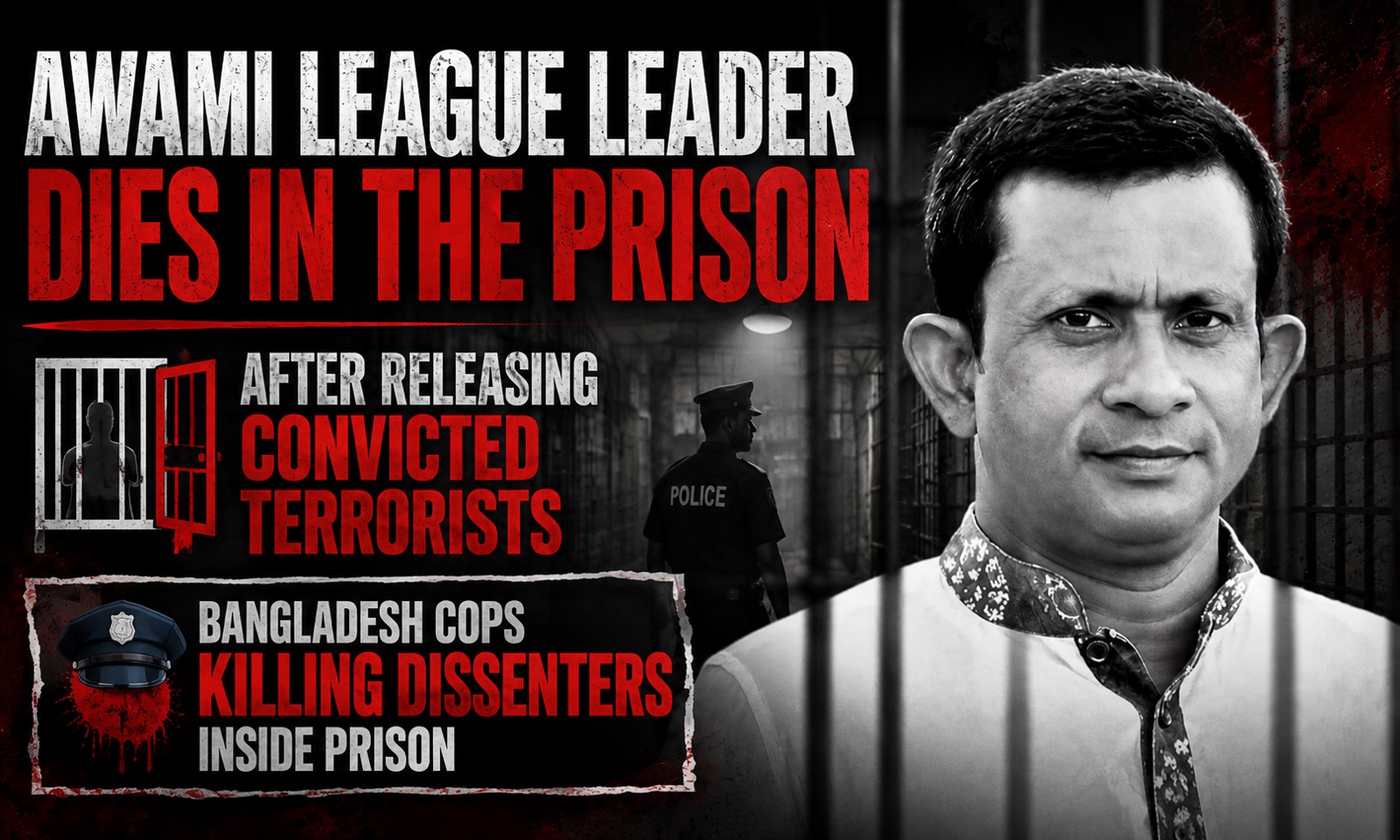
The human cost has been staggering. Operation “Devil Hunt,” launched in February 2025, saw over 400,000 arrests of those perceived as Awami League affiliates, with 30,000–35,000 still reportedly in custody by late 2025. Journalists, lawyers, and ordinary supporters faced detention, alongside credible reports of custodial deaths and torture. A blanket immunity order under the Emergency Powers Ordinance shielded perpetrators of post-August 2024 violence. This amounted to collective punishment disguised as counter-terrorism, a stark inversion of the rule of law by an interim administration claiming to restore democracy.
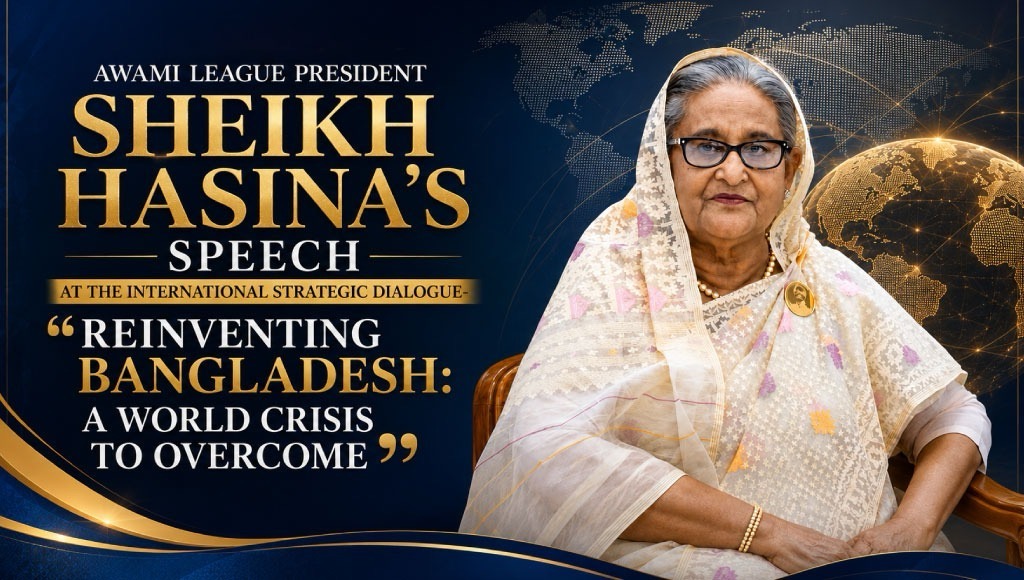
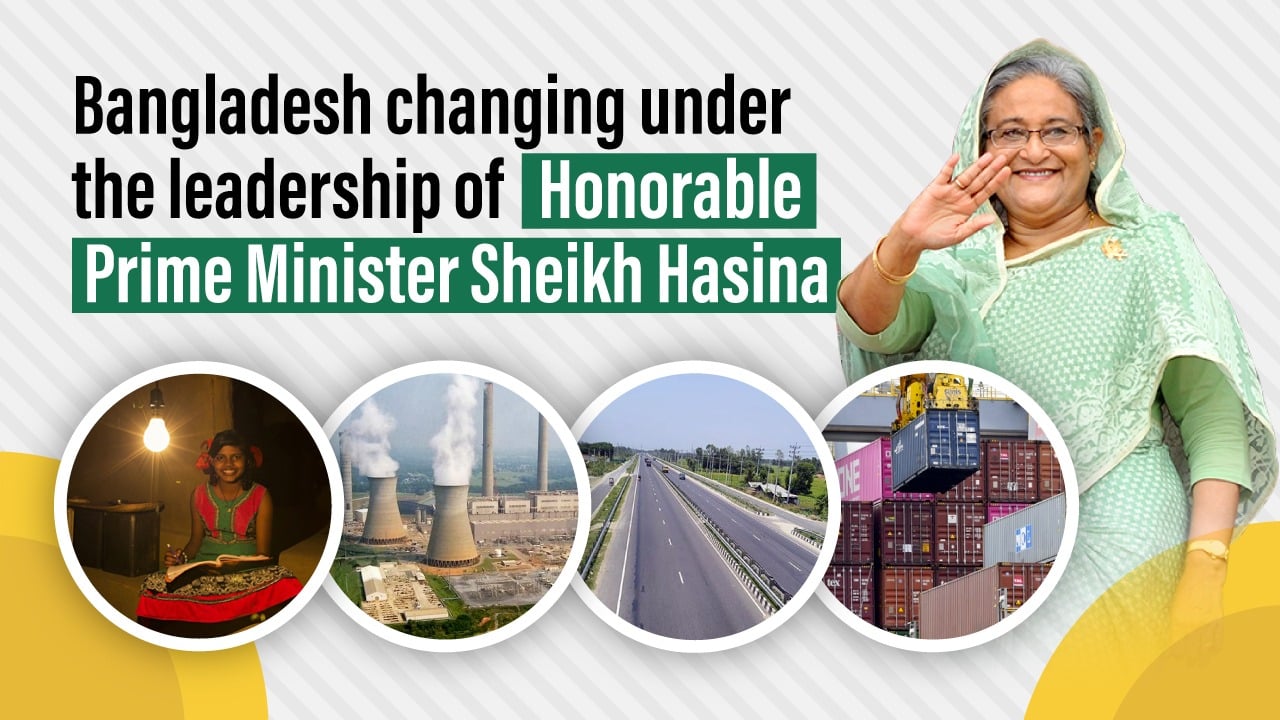
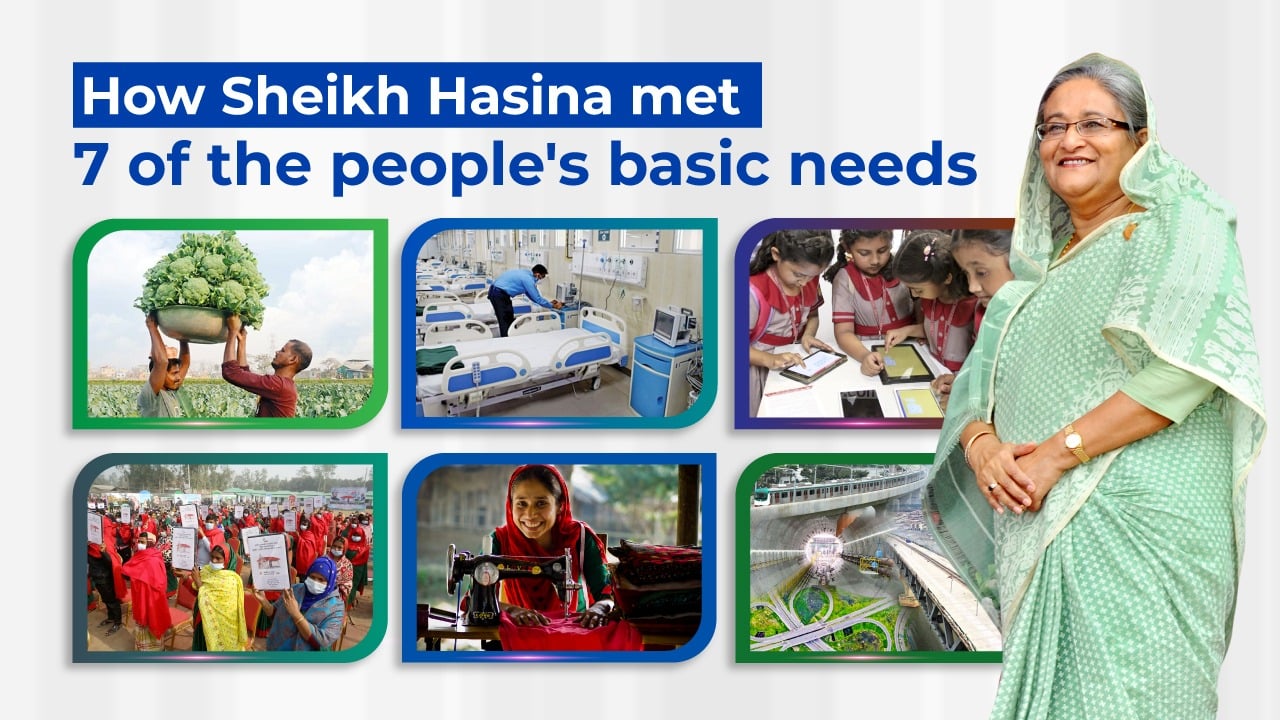
The Awami League is no fringe outfit. It is the party that sacrificed countless lives to birth Bangladesh in 1971. Under Sheikh Hasina’s leadership, it transformed the nation into one of Asia’s fastest-growing economies, lifted millions out of poverty, and advanced women’s rights and infrastructure on a scale unmatched in the country’s history. To treat such a party, with its millions of grassroots supporters, as a terrorist entity without a single court verdict against the organization itself is not justice. It is political annihilation by decree.
The United Nations did not stay silent. On 29 December 2025, three independent experts issued communication AL BGD 6/2025. The letter lays bare how the ban and its enabling laws violate Bangladesh’s binding obligations under the International Covenant on Civil and Political Rights (ICCPR), ratified in 2000.
Article 22 (Freedom of Association): Banning a political party is one of the “most severe forms of interference.” Must be a last resort, based on a real (not hypothetical) threat, with individualized assessment. The ban targets an entire party collectively, circumvents the 1978 Ordinance, and lacks due process (no notice, no hearing, no judicial review).
Article 21 (Peaceful Assembly): Blanket bans on rallies and gatherings in support of the party are presumptively disproportionate. Require case-by-case risk assessment, not general preventive measures.
Article 19 (Freedom of Expression): Prohibition on “any publicity,” blocking of speeches (including Sheikh Hasina’s), and media restrictions suppress political debate rather than incitement to violence. Political speech enjoys heightened protection.
Article 25 (Participation in Public Affairs): Cancellation of registration and exclusion from elections disenfranchises millions, undermining genuine periodic elections and political pluralism.
Article 14 (Fair Trial) and Article 6 (Right to Life): Concerns over International Crimes Tribunal proceedings, in absentia trials, denial of counsel of choice, inadequate preparation time, harassment of defense lawyers, and constitutional bars on appeals. The death sentence against Sheikh Hasina (17 November 2025) risks being arbitrary; hanging violates Article 7 (prohibition of cruel treatment).
Articles 9, 7, and 2(3): Mass arbitrary detentions, custodial deaths, torture allegations, and blanket immunity for anti-Awami League violence demand independent investigation and effective remedies.
The experts posed ten specific questions on justification, duration, review mechanisms, due process, and steps to preserve pluralism ahead of elections. No substantive public reply came from the interim government within 60 days.
The UN affirmed the need for accountability for the tragic July–August 2024 events (~1,400 deaths). But accountability must target individuals through fair trials, not collective punishment of a party that has served Bangladesh with distinction for over five decades.
As of 8 April 2026, the BNP-led government has crossed a dangerous red line. In the afternoon sitting of the 13th National Parliament, it passed the Anti-Terrorism (Amendment) Bill 2026 by voice vote, without a single amendment to the original 2025 ordinance. Home Minister Salahuddin Ahmed introduced the bill, brazenly describing the Awami League as a “genocidal terrorist organisation” and claiming it reflected “public consensus.” The ban on all Awami League activities, including rallies, publications, social media, and any form of publicity, now carries the full force of permanent law. The opposition leader protested the rushed process, noting they received comparative sheets only minutes before voting, but the Speaker shut down objections.
This cannot stand in a democratic country. This ratification is undemocratic and dangerous for the following reasons:
Violates Constitutional Principles: Bangladesh’s Constitution enshrines multi-party democracy, popular sovereignty, and the rule of law. By converting an executive ordinance, imposed without a court verdict against the party as an entity, into a statute through a rushed voice vote, Parliament has transformed itself into what Advocate Nizam Uddin aptly called “Hitler’s Reichstag”, a rubber-stamp body endorsing the suppression of political opposition. Ratifying this ordinance betrays the very democratic ideals the 2024 protests claimed to champion.
Creates a Vicious Cycle of Revenge: As Advocate Nizam Uddin warned, those once restricted now seek to permanently ban the Awami League out of fear of its return. This is not statesmanship; it is authoritarian consolidation disguised as transitional accountability, a cynical perpetuation of vendetta politics.
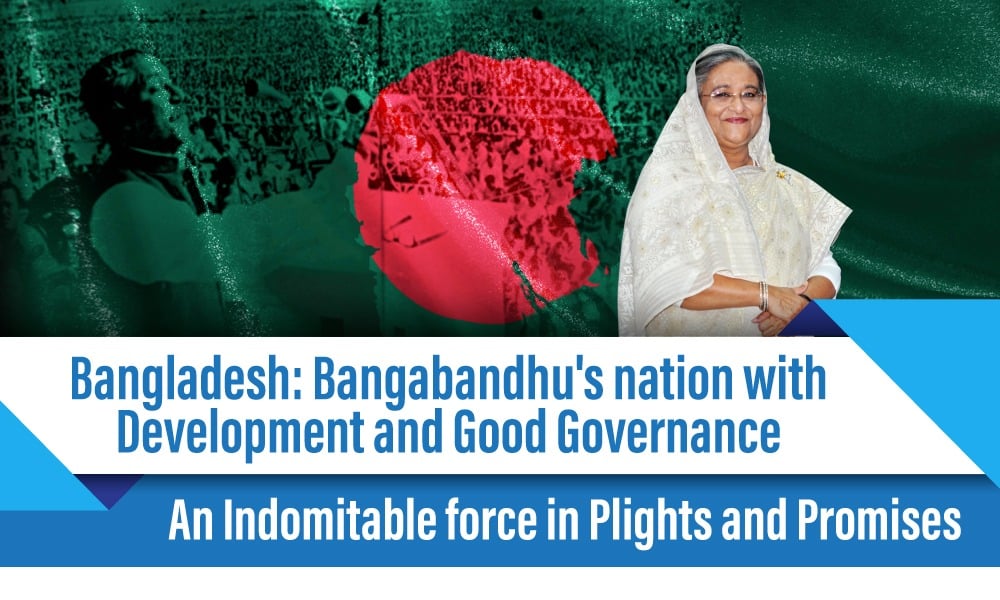
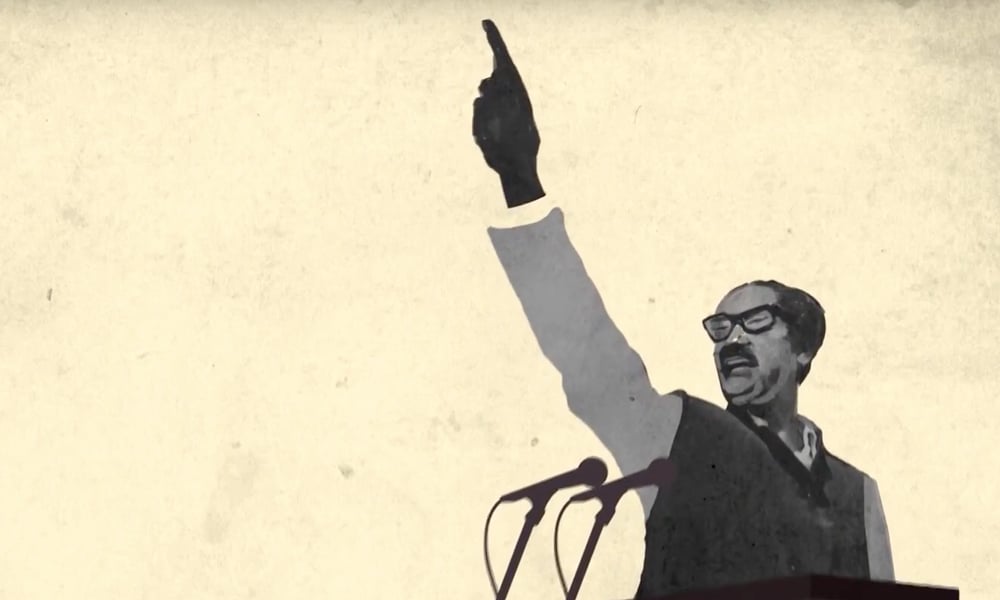
Historical and Symbolic Damage: The Awami League is the party that led the 1971 Liberation War, forged in the blood and sacrifice of countless martyrs under Bangabandhu Sheikh Mujibur Rahman. Formalizing its ban without a proper judicial process is an “extreme fascist act,” echoing Mussolini’s Italy and Hitler’s Germany. History will judge those responsible as harshly as Mir Jafar, the synonym for betrayal in Bengali memory.
Open Breach of International Law: The ICCPR demands that restrictions on political parties be proportionate, necessary, and accompanied by full due process, none of which exist here. By ignoring the UN’s ten-pointed questions in AL BGD 6/2025 and entrenching the ban, Bangladesh now stands in open violation of its treaty obligations. This move further erodes political pluralism, investor confidence, and the country’s standing with democratic nations worldwide. The February 2026 polls were already tainted; cementing the ban renders future elections hollow rituals devoid of genuine choice.
Democracies do not ban founding parties out of political fear. The BNP’s motivation, pre-emptive neutralization of a formidable rival with deep popular support, exposes the dangerous cycle that continues to weaken Bangladesh’s democratic edifice.
The ban on the Awami League and its affiliates was born in illegality, sustained by expediency, and has now been shamelessly cemented into law by the BNP-led Parliament on 8 April 2026. It ignored domestic safeguards, flouted the UN’s authoritative warnings in AL BGD 6/2025, and delivered a body blow to multi-party democracy.
Bangladesh deserves far better. It deserves a political system where the Awami League, architect of independence, driver of transformative development, and voice of the people under Sheikh Hasina’s leadership, can compete freely on the strength of its unmatched record in economic growth, poverty alleviation, and national progress.
The Awami League will return, as it always has, because the people of Bangladesh demand it. The only question is whether their leaders will have the courage to let democracy breathe.
This work is copyrighted and authorized by the Bangladesh Awami League. You may download, display, print and re-produce this material in unaltered form only (retaining this notice)for your personal, non-commercial use or use within your organization.
